


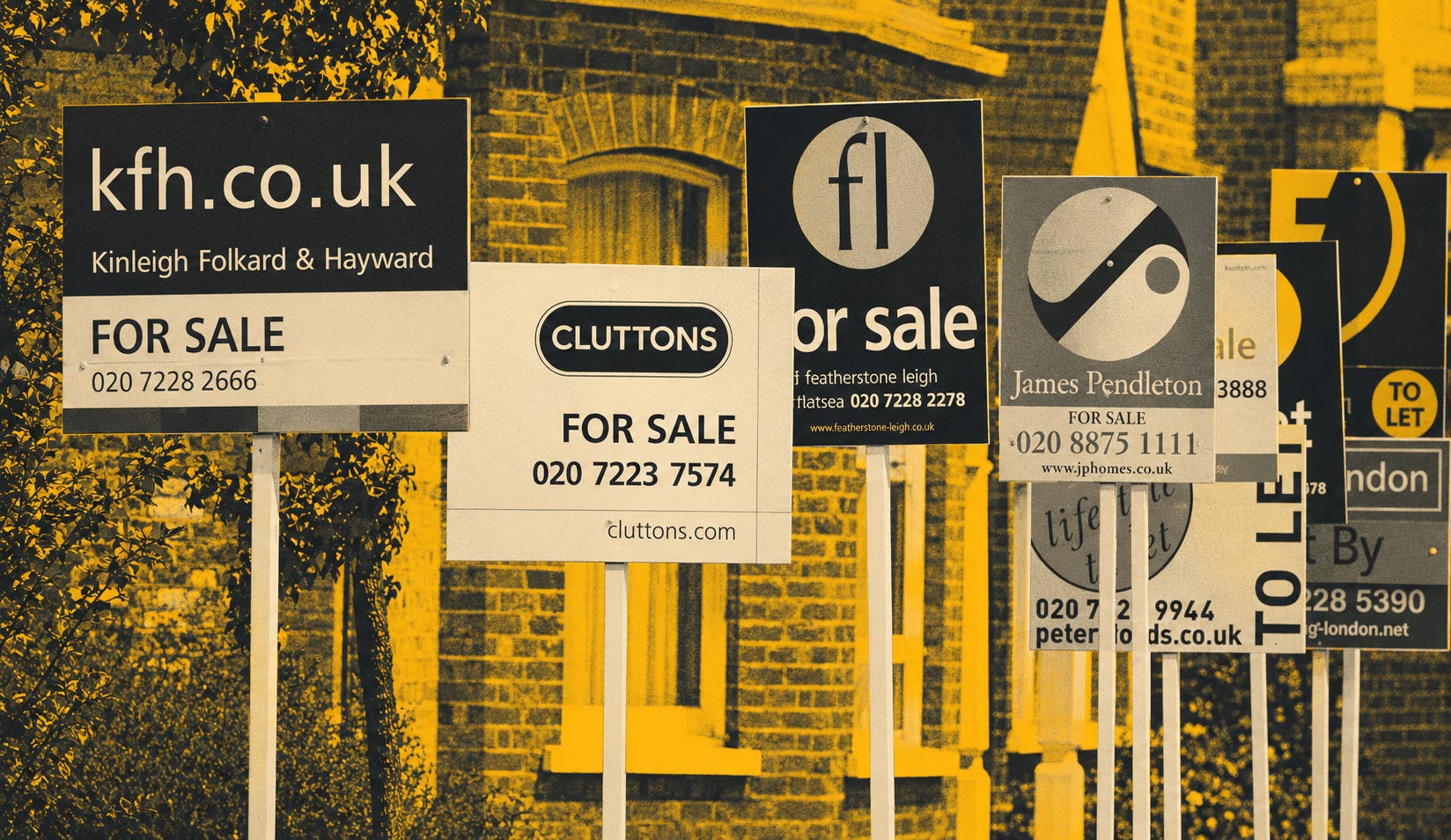
Britain’s housing crisis has become one of the defining economic and social issues of the modern era. House prices remain high, rents continue to rise, and many younger people believe homeownership is moving further out of reach. Yet while Jamaica faces housing pressures of its own, the challenges confronting the two countries are not identical. Understanding those differences may offer important lessons for policymakers, developers, investors and families seeking long-term housing security.
At first glance, the issues appear similar. Both countries face affordability concerns. Both have growing demand for housing in key urban centres. Both are grappling with questions about how future generations will access secure and affordable homes. However, the roots of the problem, and the solutions required, differ considerably.
Britain’s Affordability Problem
The British housing crisis is often described as a crisis of supply. For decades, the country has struggled to build enough homes to meet demand. Population growth, changing household structures and planning constraints have all contributed to a persistent shortage of housing.
As a result, house prices have risen significantly faster than wages over the long term. The average first-time buyer property now costs nearly six times the average salary, while in some parts of England the ratio is considerably higher. For many aspiring homeowners, the challenge is not necessarily obtaining a mortgage but saving a sufficient deposit and finding a property within reach of their income.
The rental market tells a similar story. Competition for rental accommodation remains intense in many areas, particularly London and the South East, pushing rents higher and making it increasingly difficult for tenants to save towards homeownership.
Britain’s challenge, therefore, is largely one of supply and affordability. Demand remains strong, yet housing delivery continues to fall short of what many experts believe is required.
Jamaica Faces a Different Reality
Jamaica’s housing challenges are no less significant, but they stem from a different set of circumstances.
Unlike Britain, where mortgages dominate the housing market, many Jamaicans continue to build homes incrementally over time, often using personal savings, remittances from overseas relatives or family resources. Homeownership is frequently achieved through self-build projects, inherited land or family arrangements that may not involve traditional financing.
This creates a housing market with different pressures. While affordability remains a major concern, the barriers often extend beyond the purchase price of a property.
Land ownership, access to financing, construction costs and infrastructure all play important roles. Many families occupy land that has been passed down through generations but lacks formal title, limiting opportunities to borrow against that asset or use it as security for development. At the same time, rising construction costs continue to place pressure on both private homeowners and developers.
The Question of Affordable Housing
Perhaps the most important distinction between the two countries is the nature of affordability itself.
In Britain, many people struggle because there are simply not enough homes available in areas where demand is strongest. In Jamaica, housing may exist, but it is often priced beyond what many households can comfortably afford.
This is particularly evident in parts of Kingston, St Andrew, St Catherine, Montego Bay and the north coast, where property values have risen significantly over recent years. New developments continue to emerge, yet many working families find themselves priced out of the market they are expected to enter.
The issue is not necessarily a lack of construction. Rather, it is whether the homes being delivered align with the incomes of the people who need them most.
Homeownership Tells a Different Story
The homeownership experience in Britain and Jamaica also differs considerably.
In Britain, homeownership expanded throughout much of the twentieth century before beginning to decline in recent decades. Younger generations now face greater challenges entering the market than their parents or grandparents did.
Jamaica presents a more complex picture. Many families own homes or land through inheritance, family arrangements or self-build projects. This has helped maintain relatively high levels of homeownership, even where access to formal financing remains limited.
However, this model can create its own challenges. Questions surrounding family land, succession planning and untitled property continue to affect thousands of households across the island. In some cases, families possess valuable land assets but face difficulties converting those assets into finance, development opportunities or legally transferable wealth.
Lessons Jamaica Can Learn
Britain’s experience offers a useful warning about the consequences of allowing housing affordability to deteriorate over a prolonged period.
Once a generation becomes locked out of homeownership, the effects can extend well beyond housing. Wealth creation, retirement security, family stability and social mobility can all be affected. Housing is not simply about shelter. For many households, it represents their largest financial asset and their primary means of building long-term security.
Jamaica still has opportunities to address many of these challenges before they become deeply entrenched. Expanding access to affordable housing, accelerating land titling programmes, improving infrastructure and encouraging development in emerging growth areas could all play a role in supporting future housing supply.
Equally important is ensuring that new housing meets the needs of ordinary Jamaicans rather than only serving higher-income buyers or investment markets.
Looking Ahead
The comparison between Britain and Jamaica reveals that housing crises are rarely caused by a single factor. In Britain, decades of undersupply have contributed to rising prices and worsening affordability. In Jamaica, the challenge is often less about the number of homes being built and more about whether those homes are accessible to the people who need them.
Both countries face difficult questions about affordability, ownership and long-term housing security. The difference is that Jamaica still has an opportunity to learn from the experiences of larger and more mature markets before similar pressures become harder to reverse.
For policymakers, developers and families alike, the lesson may be a simple one: housing problems are often easier to prevent than they are to solve.