

Global Conflict Escalates as US-Israel War With Iran Intensifies

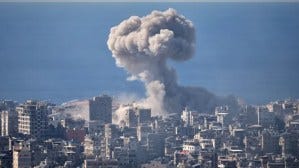
War in the Middle East is once again shaking global energy markets, with the escalating conflict between the United States, Israel and Iran pushing oil prices higher and raising concerns about disruptions to major shipping routes. While the fighting is thousands of miles away, the economic effects can travel quickly. For Jamaica, a small island economy dependent on imported energy and global trade, geopolitical crises in the Middle East can translate into higher fuel costs, rising transportation expenses and wider pressure on the cost of living.
War Expands Across the Middle East
Military conflict between the United States, Israel, and Iran continues to intensify, with missile strikes and drone attacks reported across multiple locations in the Middle East.
Israeli and US forces have launched strikes across Iran, including in the central province of Isfahan, while Iran has retaliated with waves of missile attacks targeting Israeli cities and US-linked military facilities across the region.
The fighting has spread beyond the initial battle zones. Israeli aircraft have carried out additional strikes in southern Lebanon, while Iranian-aligned groups and regional actors have reportedly targeted military facilities and infrastructure linked to Western forces.
Drone attacks have also been reported against military installations in Kuwait, and several countries in the region have activated air-defence systems after intercepting missiles and drones.
The conflict, which began late February, is now entering a more complex phase involving multiple countries, raising concerns among international observers that the confrontation could widen further across the region.
Strait of Hormuz Crisis Disrupts Global Oil Markets
One of the most significant global consequences of the war has been growing instability around the Strait of Hormuz, one of the world’s most important energy shipping routes.
Hundreds of vessels, including approximately 200 oil tankers, are currently waiting to transit the narrow waterway as tensions rise. The strait carries roughly one-fifth of global oil supply, making any disruption immediately felt in international energy markets.
Oil prices have already surged above $100 per barrel, compared with around $70 before the crisis began.
In response to the market shock, the International Energy Agency (IEA) has announced plans to release 400 million barrels of emergency oil reserves to help stabilise supply.
Political Pressure in the United States
Domestically, the conflict is creating political pressure in the United States.
Opinion polls indicate that a majority of Americans oppose the war, and criticism has emerged from both Democratic leaders and segments of former President Donald Trump’s political base, who argue that the conflict contradicts earlier pledges to avoid overseas wars.
While Trump continues to retain strong support among Republican lawmakers, analysts say the war could become a significant political issue as the country approaches upcoming midterm elections.
Why This Matters for Jamaica
Although the conflict is geographically distant, its economic ripple effects could reach Jamaica through several channels.
1. Fuel Prices
Jamaica imports nearly all of its petroleum products.
If global oil prices remain elevated:
Petrol and diesel costs could rise locally
Electricity prices may increase, since oil and LNG influence Jamaica’s power generation costs
Transportation and logistics expenses could climb
These factors would contribute to broader cost-of-living pressures.
2. Shipping and Trade
If instability around the Strait of Hormuz disrupts global shipping:
Freight costs may increase
Import prices for goods could rise
Supply chains may become less predictable
Small island economies like Jamaica are especially sensitive to global shipping disruptions because they depend heavily on imports.
3. Tourism and Global Economic Confidence
Geopolitical instability can also influence global financial markets and consumer confidence.
If the conflict escalates into a wider regional war or pushes energy prices significantly higher, it could:
Slow global economic growth
Affect travel demand
Influence investment flows into tourism-dependent economies such as Jamaica.
However, these impacts remain uncertain at this stage.
Caribbean Context
For the wider Caribbean, the main exposure to the conflict lies in energy imports and inflation pressures.
Many Caribbean nations depend on imported fuel for electricity generation, transportation, and industry. Rising oil prices therefore tend to translate into:
Higher electricity bills
Increased food and goods prices
Pressure on government subsidies and public spending.
Countries with strong tourism sectors may also monitor global economic conditions closely, as prolonged instability can affect travel patterns.
Outlook
US officials have suggested the conflict could end within weeks, though analysts warn that the situation remains highly unpredictable.
For Jamaica, the key question will be how long the energy disruption lasts.
If tensions ease and oil markets stabilise, the economic impact on the island may remain limited.
But if the conflict expands or the Strait of Hormuz remains unstable, fuel prices and shipping costs could remain elevated, increasing pressure on households and businesses.
Bottom Line:
The war between the US, Israel, and Iran is primarily a geopolitical crisis in the Middle East, but through global energy markets and trade systems it could still influence Jamaica’s economy—especially through fuel prices, inflation, and shipping costs.