

Gov’t Proposes $20M Repair for Blue Lagoon Dock

Kingston, Jamaica — 11 March 2026
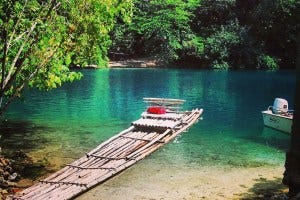
The Government has proposed allocating approximately J$20 million to repair the dock at the Blue Lagoon in Portland, as part of a broader rehabilitation effort aimed at managing access, protecting the environment, and improving visitor infrastructure at one of Jamaica’s most recognisable natural attractions.
The proposed works were outlined during the Standing Finance Committee review of the 2026/27 Estimates of Expenditure at Gordon House, where the Minister with responsibility for culture and heritage indicated that design work for the dock repairs has already been completed and that construction will begin once funding is confirmed.
While the repair itself is modest in scale, the discussion around the Blue Lagoon highlighted a broader issue that affects many of Jamaica’s most visited natural sites: how access, tourism activity, and private land ownership intersect around places that hold national cultural and environmental significance.
A Natural Asset Surrounded by Private Land
The Blue Lagoon has long been one of Portland’s most iconic attractions, drawing both international visitors and Jamaicans seeking one of the island’s most striking natural swimming locations. However, much of the land surrounding the lagoon remains privately owned, creating ongoing challenges around management, public access, and visitor activity.
Government representatives noted that oversight by the Jamaica National Heritage Trust (JNHT) became necessary after a period of unregulated activity around the lagoon raised concerns about environmental protection and site management.
Lifeguards are currently stationed at the location, but the physical infrastructure supporting the attraction — including docking facilities and visitor management systems — requires upgrading to better handle visitor traffic.
The proposed dock repairs form part of that wider effort.
Traffic Management and Visitor Access
Concerns have also been raised about the installation of a barrier along the access road leading to the lagoon. Authorities clarified that the measure was introduced to control vehicle access rather than restrict public entry.
The area near the lagoon currently lacks adequate parking space, and officials say vehicles entering the immediate lagoon area created safety and congestion issues.
To address this, the Government is considering a transport arrangement where visitors park at a designated location and are then transported to the lagoon via shuttle service.
If implemented, this model would represent a shift in how access to the lagoon is managed — moving from informal arrival patterns toward a more structured visitor system, similar to arrangements used in environmentally sensitive destinations around the world.
Balancing Tourism, Environment and Property Rights
The Blue Lagoon situation illustrates a recurring challenge across Jamaica: balancing public access to natural assets with the rights of surrounding property owners and the need for environmental protection.
Sites such as rivers, waterfalls, beaches, and lagoons often become economic drivers for local communities, supporting tour guides, small vendors, and transportation providers.
At the same time, unregulated tourism activity can place pressure on fragile environments and create disputes around land use, access routes, and parking.
Officials emphasised that motorised water sports will not be encouraged at the lagoon, citing both environmental sensitivity and the surrounding private property interests.
The aim, according to the Government, is to maintain the lagoon as a low-impact natural attraction while allowing visitors to continue enjoying the site and supporting the local tourism economy.
A Wider Pattern in Tourism Infrastructure
The proposed dock repair also reflects a wider pattern emerging across Jamaica’s tourism landscape: incremental upgrades to small but strategically important visitor infrastructure.
Many of Jamaica’s most famous attractions — particularly natural sites outside the main resort corridors — rely on relatively modest facilities such as docks, walkways, parking areas, and safety infrastructure.
When these elements deteriorate, the impact can ripple through local tourism economies.
In Portland, where tourism growth has been gradual but steady, maintaining the Blue Lagoon as a well-managed attraction is considered particularly important. The parish has increasingly attracted boutique hotels, eco-lodges, and small tourism developments that rely on the preservation of natural landscapes rather than large-scale resort infrastructure.
Entertainment Zones Also Under Discussion
During the same committee session, the Government also provided an update on its plans to establish designated entertainment zones across Jamaica.
These zones are intended to create properly designed spaces where events and nightlife activity can take place while addressing issues such as noise management, planning approvals, and community impact.
Officials indicated that several potential locations have already been audited, but implementation requires close coordination with municipal authorities, particularly because zoning, planning approval, and infrastructure development fall within local government responsibilities.
If successfully implemented, the initiative could help formalise parts of Jamaica’s entertainment sector while reducing conflicts between nightlife venues and residential communities.
Looking Ahead
The proposed repair of the Blue Lagoon dock may appear to be a small infrastructure project, but it highlights a larger national conversation about how Jamaica manages the places people value most — both economically and culturally.
Across the island, natural attractions sit at the intersection of tourism development, environmental protection, and private land ownership. Decisions about infrastructure, access routes, and visitor management often determine whether these places remain sustainable over the long term.
For Portland’s Blue Lagoon, the coming repairs — and the wider plans for structured visitor access — may signal a shift toward more deliberate stewardship of one of Jamaica’s most famous natural landscapes.
How that balance is maintained will likely shape the future of many similar destinations across the island.
Disclaimer: This article is for general information and commentary purposes only and does not constitute legal, financial, or investment advice. Readers should seek professional guidance appropriate to their individual circumstances.