

Jamaica Moves to Fast-Track Reconstruction and Investment After Hurricane Melissa


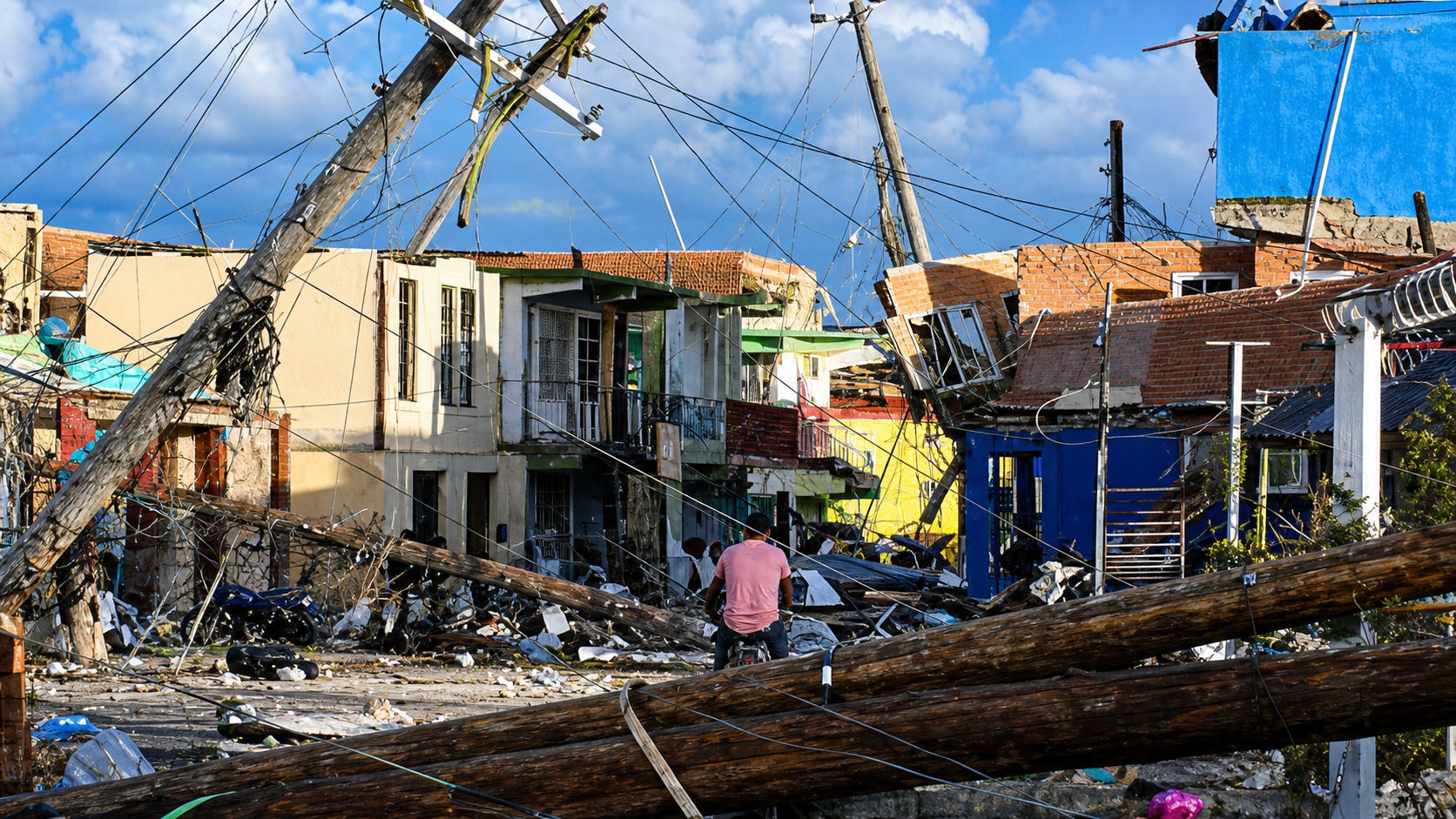
The Jamaican Government has introduced legislation to establish the National Reconstruction and Resilience Authority (NaRRA)—a move with direct and significant relevance to Jamaica’s real estate sector, infrastructure development, and long-term economic resilience.
The Prime Minister announced the measure during the national Budget Debate, positioning NaRRA as a central driver of post-disaster rebuilding and future development planning. The authority, which emerged following Hurricane Melissa, is intended to accelerate reconstruction while reshaping how major projects are delivered across the country.
Direct Real Estate & Infrastructure Impact (Primary Impact Pathway)
This development sits firmly within Direct Real Estate Impact, with implications across housing, land use, planning, and development.
1. Faster Development Approvals and Project Delivery
NaRRA will have special powers to streamline approvals and procurement, potentially reducing long-standing bottlenecks in Jamaica’s construction sector.
For developers, contractors, and investors, this could mean:
Shorter timelines for large-scale housing and infrastructure projects
Increased investor confidence in project execution
Greater predictability in planning approvals
If implemented effectively, this could mark a structural shift in how development happens in Jamaica—moving from slow, bureaucratic processes to a more coordinated and time-bound system.
2. Climate-Resilient Land Use and Urban Planning
A key element of the plan is the relocation of critical infrastructure inland in vulnerable coastal towns such as:
Black River
Falmouth
Lucea
This reflects a growing recognition of sea-level rise and climate risk, which is increasingly shaping land values and development patterns.
In practical terms, this could lead to:
Reduced long-term viability of some coastal real estate
Increased demand for inland development zones
New planning frameworks prioritising resilience over proximity to the coast
For Jamaica, this is not theoretical—this is the beginning of climate-adjusted urban planning.
3. New Development Zones and Economic Corridors
The Government’s vision includes:
A new waterfront district in Montego Bay
Transformation of Vernamfield into an inland aviation hub
These projects signal strategic land redevelopment, which can:
Increase property values in targeted zones
Create new commercial and residential demand
Shift economic activity inland
For the real estate market, this introduces new growth corridors that could reshape where people live, work, and invest.
Economic & Investment Impact on Jamaica
Beyond construction, NaRRA is tied to a broader economic strategy.
Fast Jamaica: Targeting Large-Scale Investment
The Government also announced “Fast Jamaica”, a framework to fast-track investments of US$150 million or more.
This initiative could:
Attract foreign direct investment (FDI)
Increase demand for commercial real estate and infrastructure
Stimulate job creation in construction and related sectors
For everyday Jamaicans, this may translate—over time—into:
More employment opportunities
Increased economic activity in developing regions
Potential upward pressure on land and housing prices in growth areas
Oversight and Financial Credibility
The proposed oversight body, chaired by Peter Blair Henry, is designed to mirror the credibility of Jamaica’s economic reform structures.
This is significant because:
International investors often look for strong governance frameworks
Oversight reduces risks of mismanagement in large infrastructure programmes
It strengthens Jamaica’s reputation in global financial markets
Given Jamaica’s reliance on external financing, credibility is not optional—it is essential.
Caribbean Context: A Model for Small Island States?
Jamaica’s approach may have wider relevance across the Caribbean.
Many small island nations face:
Increasing hurricane intensity
Coastal vulnerability
Slow infrastructure delivery systems
If NaRRA proves effective, it could become a regional model for post-disaster reconstruction and climate-resilient development.
However, success will depend on execution—not just legislation.
Everyday Impact: What It Could Mean for Jamaicans
If the framework delivers as intended, ordinary Jamaicans may see:
Faster rebuilding after disasters
Improved roads, public facilities, and infrastructure
New housing and job opportunities in emerging development zones
Potential shifts in where it is safer—and smarter—to buy land
However, there are also uncertainties:
Will fast-tracking compromise environmental or planning safeguards?
Will benefits reach ordinary citizens or concentrate among large investors?
These are open questions that will depend on implementation.
Bottom Line
NaRRA represents more than a recovery mechanism—it is an attempt to re-engineer how Jamaica builds, invests, and adapts to climate risk.
Its success could:
Transform the pace of development
Reshape the real estate landscape
Strengthen Jamaica’s economic resilience
Or, if poorly executed, it risks becoming another well-intentioned reform that struggles in practice.
For now, one thing is clear:
This is one of the most consequential development and infrastructure policy shifts Jamaica has proposed in recent years.