


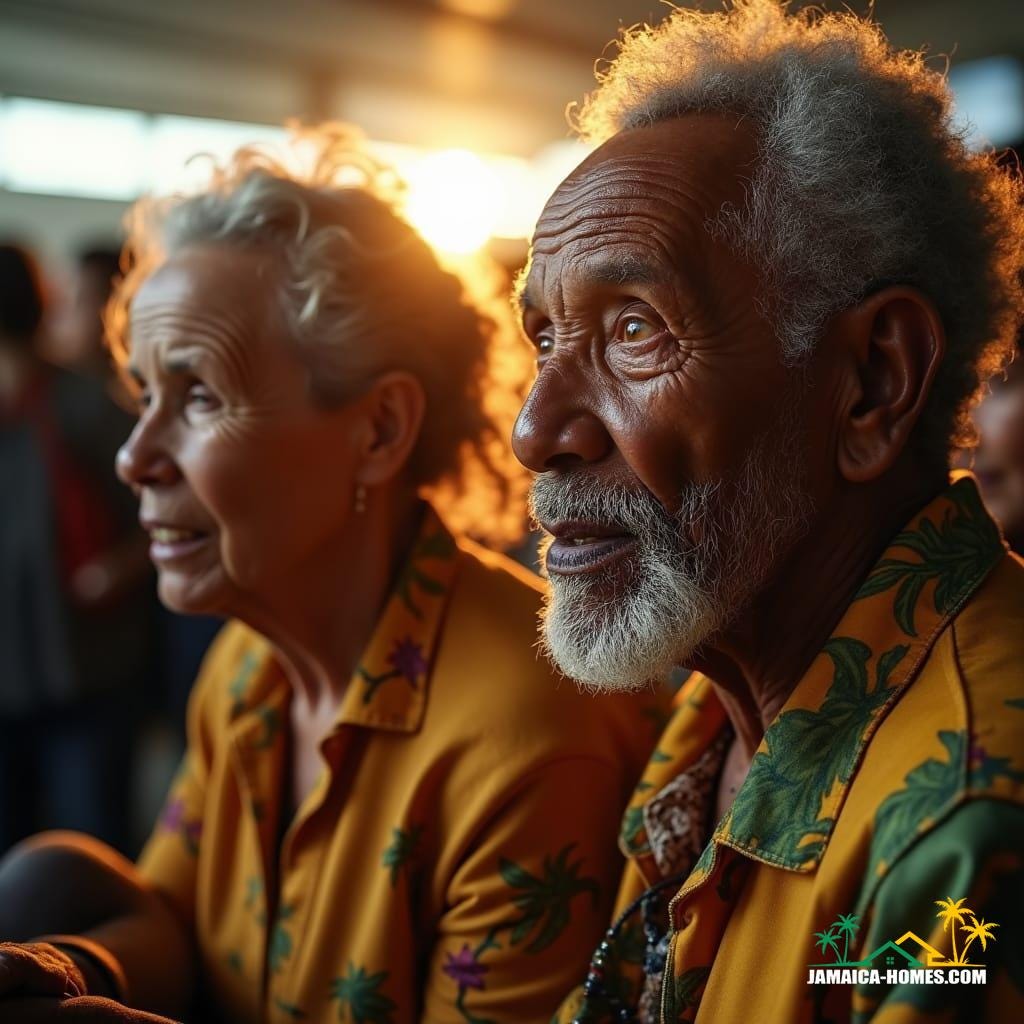
For many Jamaicans in the diaspora, the thought of returning home is both exciting and emotional. Jamaica’s rich culture, vibrant communities, and natural beauty are compelling reasons to make the move. Recognizing the value of its people, the Government of Jamaica has taken measures to ease the transition for returning residents, encouraging them to live, work, invest, and retire in their homeland.
Whether you’re driven by a sense of belonging, a better quality of life, or the desire to reconnect with your roots, here’s what you need to know about returning to Jamaica permanently.
Government Provisions for Returning Residents

The Jamaican government offers several benefits to returning residents to help them reintegrate smoothly into society:
Duty-Free Concessions:
You can import personal and household effects, as well as tools of trade, free of customs duty.
To qualify, you must have lived abroad for at least three consecutive years.
Note: Motor vehicles are excluded from this concession and fall under a separate importation regime.
One-Time Eligibility:
Duty concessions can only be claimed once, even if you migrate and return multiple times.
Special Categories:
Students and deported persons may also qualify if they meet the requirements.
These measures reflect Jamaica’s commitment to its diaspora, viewing them as valuable assets for national development.
Where to Live in Jamaica

Choosing the right location is essential to your reintegration. Here are some of the most recommended places to settle, based on the experiences of others:
1. Mandeville
Why Choose It?
Mandeville is known for its cool climate, beautiful scenery, and peaceful neighborhoods. It offers essential services like shopping, schools, medical care, and government facilities.Considerations:
While it’s not as lively as Montego Bay or Kingston, it’s ideal for those seeking tranquility. Some returning residents note a recent rise in crime, though this is considered temporary.Cost of Living:
Rent: $500–$800 USD/month for a house.
Utilities and groceries are affordable compared to urban areas.
2. Montego Bay
Why Choose It?
Montego Bay combines the vibrancy of a city with the beauty of beaches and outdoor activities. It’s also close to the international airport, making travel convenient.Considerations:
Some areas feel like ex-pat communities, but Montego Bay offers excellent healthcare, nightlife, and access to transportation.Cost of Living:
Basic living: $1,500 USD/month.
Comfortable lifestyle: $4,000 USD/month.
3. Portland
Why Choose It?
Portland is celebrated for its lush natural beauty, cool weather, and quiet lifestyle. It’s perfect for those who value peace and scenic surroundings.Considerations:
Entertainment options are limited, and most shops close early. It’s less convenient for those seeking active nightlife or modern amenities.
4. Kingston Hills (e.g., Stony Hill, Jack’s Hill, Long Mountain)
Why Choose It?
These areas offer proximity to healthcare, private medical centers, and urban amenities while maintaining a suburban, relaxed feel. The air is cleaner, and the views are stunning.Considerations:
While traffic can be an issue in Kingston, living in the hills offers a good balance of city and suburban life.
5. Ocho Rios
Why Choose It?
Known for its attractions and beaches, Ocho Rios offers a mix of fun, luxury, and a laid-back lifestyle.Considerations:
Living here can be expensive compared to other areas, but it’s ideal for those who enjoy a more vibrant atmosphere.
Cost of Living in Jamaica
Living costs vary depending on your lifestyle and location. Below is an average monthly breakdown for a comfortable life:
Housing:
$500–$800 USD/month for rural or suburban areas.
$1,000–$2,000 USD/month for urban areas or gated communities.
Food:
$300–$500 USD/month depending on your diet and shopping habits.
Utilities:
$100–$200 USD/month for electricity, water, and internet.
Transportation:
$100–$300 USD/month (includes fuel, car maintenance, or public transport).
Healthcare:
Public healthcare is free but often overwhelmed. Private healthcare is affordable compared to the U.S. and offers better quality.
Cultural and Social Adjustments
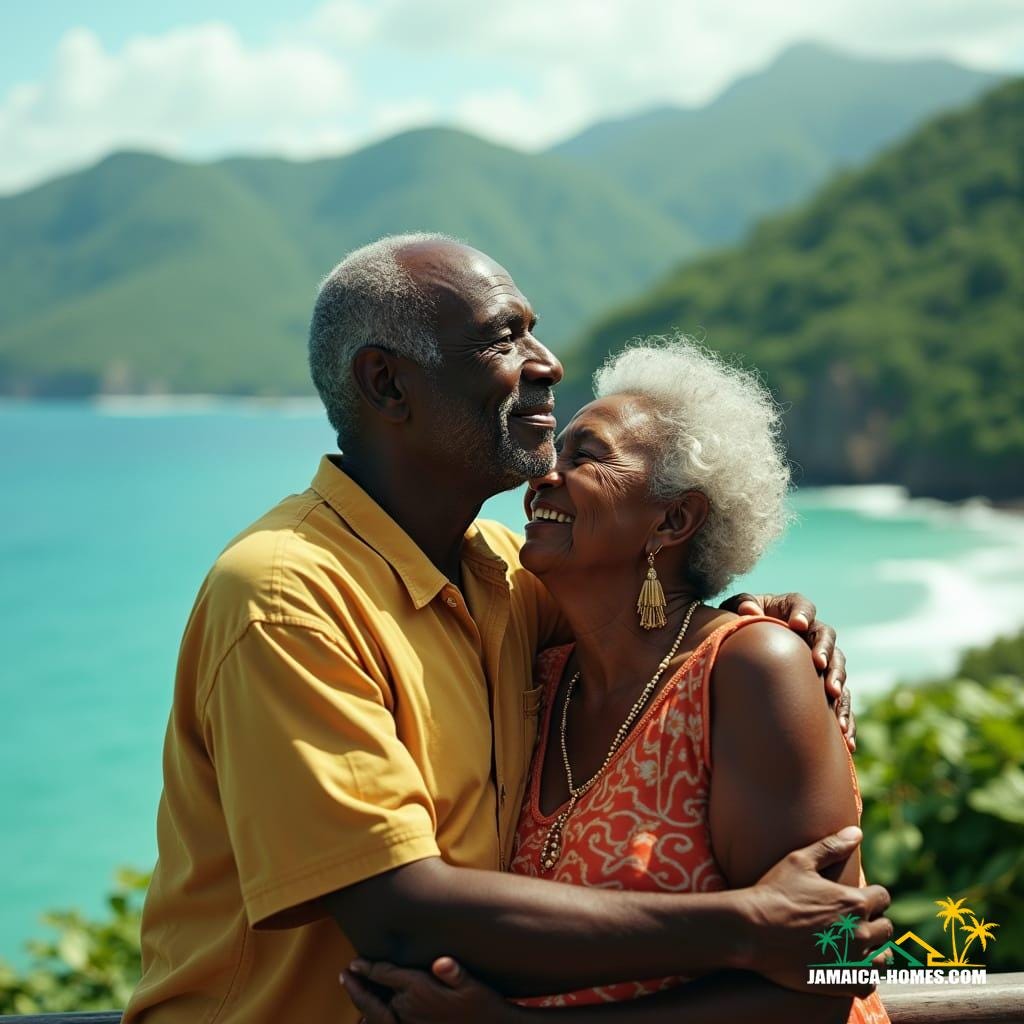
Many returning residents report feeling more at peace and connected to their roots after moving back. Jamaica’s vibrant social life, access to nature, and laid-back culture are often cited as life-changing positives. However, challenges such as slow service times and occasional crime in certain areas require some adjustment.
Here’s what others have shared:
Mandeville Residents: “I was born and raised here. While it was a bit boring growing up, I look forward to moving back for retirement.”
Montego Bay Expat: “I live comfortably on $1,500 USD/month because my major expenses, like housing, are already paid off.”
Portland Enthusiast: “It’s the most beautiful parish, and the weather is unbeatable. Perfect for retirees who want tranquility.”
Tips for a Seamless Transition
Test Living in Different Areas:
Before deciding where to settle, try out Airbnbs in various parishes. Staying for at least two weeks in each location can give you a feel for the community and lifestyle.
Plan Your Finances:
Ensure you have a steady income from a pension, savings, or remote work.
Prioritize Healthcare:
For retirees or those with chronic conditions, proximity to good healthcare facilities is crucial. Consider private insurance for better coverage.
Stay Low-Key (If Needed):
Some returnees prefer to maintain a low profile, especially if they want to avoid unsolicited attention from extended family or acquaintances.
Embrace the Culture:
Returning home means readjusting to the slower pace of life, vibrant social interactions, and occasional challenges like inconsistent services.
Final Thoughts

Why Return? Insights from Others
Many who have returned to Jamaica share their personal reflections:
Freedom and Peace:
“The UK made me feel synthetic and miserable, but returning to Jamaica washed all of that away. I feel more outgoing, happier, and healthier.”Cultural Connection:
“Every day in London, I was homesick. Coming home to Jamaica, I now have access to beaches, waterfalls, and vibrant social life. It’s 100 times better.”Cost vs. Quality of Life:
“I live comfortably on $1,500 USD/month because my major expenses are already paid off. Groceries are expensive, but services are very affordable.”
Final Thoughts
Returning to Jamaica is more than a move—it’s a homecoming. The island’s breathtaking beauty, rich culture, and warm community make it an ideal place to live, work, and retire. While challenges exist, careful planning and realistic expectations can ensure a fulfilling and rewarding transition.
Whether you’re drawn to the tranquility of Mandeville, the vibrancy of Montego Bay, or the natural beauty of Portland, Jamaica offers a lifestyle that’s uniquely yours to embrace.
Disclaimer: The information provided reflects insights and estimates as of December 2024. Costs and conditions may vary.