

The Future of Christianity in Jamaica — And What It Means for Real Estate

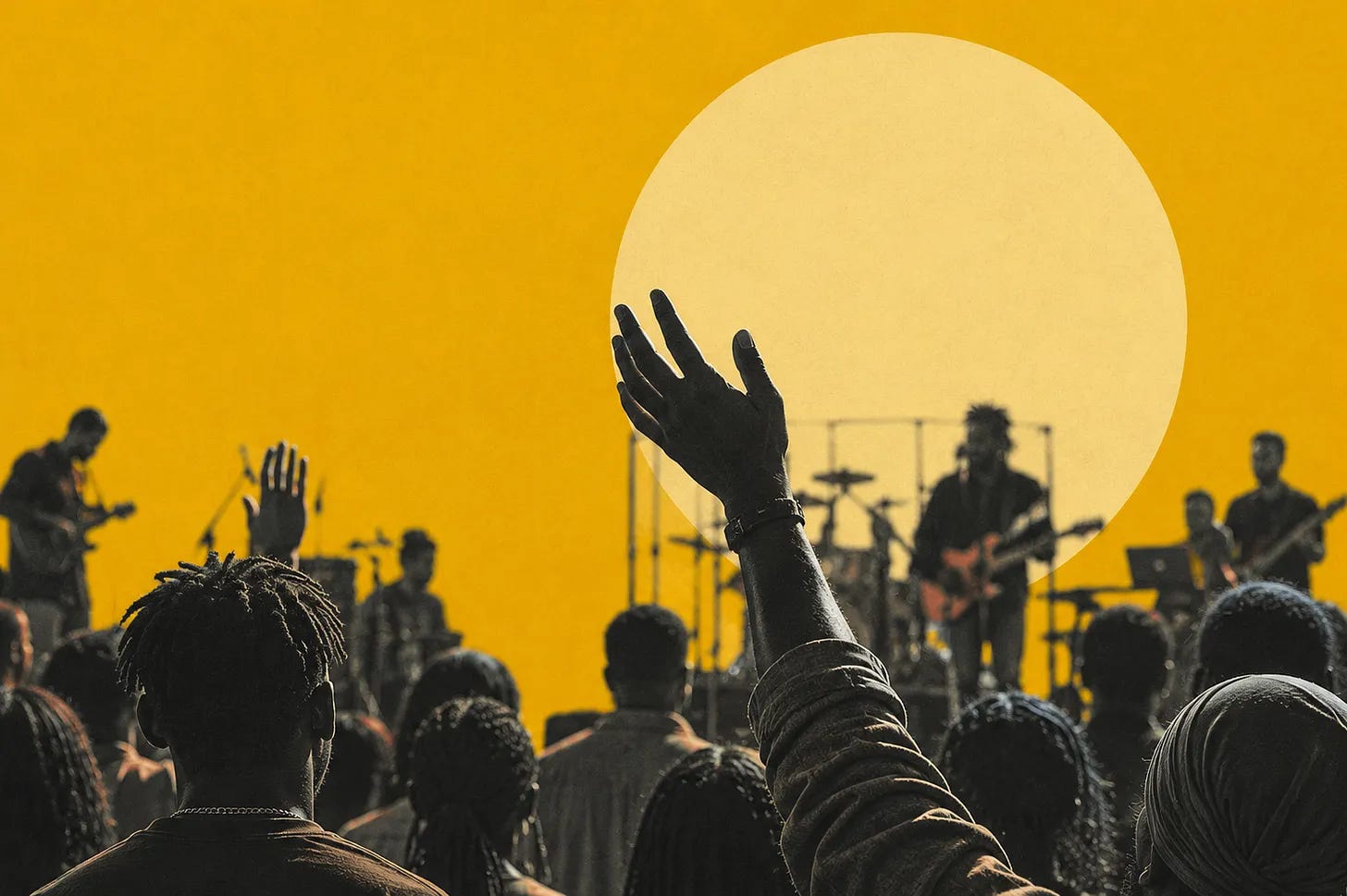
Over the next decade, Jamaica will remain recognisably Christian. Church buildings will still rise from hillsides. Gospel music will still travel through open windows on Sunday mornings. Funerals will still fill sanctuaries. Christmas services will still overflow.
But something deeper is shifting.
Christianity in Jamaica is not disappearing — it is evolving. And when faith evolves in a country like ours, it does not just reshape belief. It reshapes land. It reshapes neighbourhoods. It reshapes how property is used, transferred, valued and imagined.
To understand what the next ten years may hold for real estate, we must first understand what is happening inside the church.
A Cultural Christianity Becoming More Selective
Jamaica is still overwhelmingly Christian in identity. Baptisms, weddings, funerals, harvests and watch-night services remain woven into our national life. Scripture still influences everyday speech. The moral language of the country still echoes biblical roots.
But identity is not the same as attendance.
Over the next decade, we are likely to see:
Fewer weekly churchgoers, especially among younger Jamaicans
More people identifying as “Christian, but not religious”
A continued rise in those claiming “no formal religion”
Greater fluidity between denominations
This does not mean faith vanishes. It means faith becomes more personal, more selective, and less institutionally tied.
And when institutional religion becomes thinner, its physical footprint often changes.
What Happens to Church Land?
Churches occupy some of the most strategic parcels of land in Jamaica:
Corner lots in dense urban communities
Elevated sites in rural districts
Generational properties held for decades
Large compounds in town centres
As congregations age and merge, some smaller churches may struggle with:
Maintenance costs
Declining offerings
Leadership shortages
Insurance and compliance expenses
When that happens, property becomes a question.
Some buildings will close. Others will consolidate. Some will be sold quietly. Others will transition into new uses.
In urban parishes like Kingston and St. Andrew, where land is scarce and densification pressures are rising, former church properties may become:
Townhouse developments
Apartment blocks
Mixed-use community hubs
Schools, clinics or daycare centres
In rural parishes, smaller chapels may become:
Private homes
Community halls
Agricultural storage facilities
Retreat spaces
This is not a dramatic overnight shift. It is gradual. But over ten years, even gradual change reshapes inventory.
From Many Small Churches to Fewer Large Campuses
While some smaller congregations may decline, others — particularly Pentecostal and charismatic churches — may expand.
The model shifts from:
Small chapel on every corner
to
Larger, multi-purpose worship campuses with parking, media facilities, counselling rooms and event spaces.
These campuses often seek:
Larger plots on urban fringes
Ample parking
Flexible interior layouts
Sound insulation
Assembly-use planning approval
From a real estate perspective, this drives:
Demand for larger parcels in developing corridors
Zoning considerations
Increased traffic patterns around expanding congregations
Commercial spinoff opportunities nearby
Restaurants, bookstores, retail services and childcare facilities often cluster near large churches. That concentration subtly stabilises micro-markets.
So while some church buildings may close, others will expand and modernise.
Real estate does not shrink — it redistributes.
If “No Religion” Grows — Lifestyle Property Expands
One of the clearest generational trends across the Caribbean has been the rise of the religiously unaffiliated. If that trend continues in Jamaica, the cultural weight of Sunday as a sacred day may loosen.
This has implications.
Less cultural resistance to:
Sunday construction
Sunday retail
Event venues
Night-time entertainment districts
We may see further growth in:
Mixed-use developments
Short-term rental properties
Urban lifestyle hubs
Creative spaces
Church culture has historically shaped the rhythm of neighbourhoods. If that rhythm shifts, zoning conversations and development expectations shift with it.
But this does not mean moral collapse. It means cultural pluralism.
And pluralism expands property types.
Churches as Social Infrastructure
Even if attendance declines, churches in Jamaica are more than worship spaces. They are:
Hurricane shelters
Food distribution hubs
Counselling centres
Youth mentorship anchors
Violence interruption spaces
Funeral coordination centres
In communities facing economic strain or social volatility, proximity to an active church often improves perceived stability.
That perception matters in property valuation.
Neighbourhoods with functioning community anchors — whether churches, schools or civic centres — tend to:
Retain stronger social cohesion
Maintain more stable property values
Resist deterioration longer
If churches adapt by strengthening their social service role, they remain valuable land-based institutions.
If they withdraw, a vacuum forms.
And real estate responds to vacuums.
Estate Planning and Property Transfers
Christian influence in Jamaica has historically shaped how families handle inheritance.
In many communities:
Property passes informally through family consensus
Wills are delayed
Probate is avoided
“Family land” remains legally unresolved
If institutional religious authority weakens over the next decade, we may see greater reliance on:
Formal estate planning
Professional probate services
Registered land transfers
Legal clarity in inheritance
That shift increases conveyancing activity and formal market participation.
Land moves more transparently.
Titles become cleaner.
And cleaner titles increase liquidity.
Climate Change and Church Land
Jamaica’s climate vulnerability adds another layer.
Church properties are often:
Elevated
Centrally located
Structurally reinforced
Equipped with open yards
As climate resilience planning intensifies, church land could become critical for:
Emergency shelters
Distribution hubs
Community coordination centres
Conversely, churches in flood-prone areas may face rising insurance costs or relocation pressures.
If some congregations close due to environmental risk, those properties may be redeveloped with more resilient design.
Climate change will not bypass faith property.
It will reshape it.
Diaspora Influence
Jamaica’s diaspora continues to play a powerful role in church funding.
Many overseas Jamaicans:
Donate to home congregations
Finance expansions
Support building improvements
Maintain family plots
Churches with strong diaspora links may thrive financially even if local attendance softens.
Those without external support may struggle.
This creates uneven property outcomes across parishes.
Diaspora-backed congregations may expand.
Isolated rural congregations may consolidate.
The Real Estate Lens
What does all this mean in practical terms?
It means Jamaica’s religious evolution becomes a quiet factor in:
Urban redevelopment
Land availability
Zoning patterns
Property valuation
Estate transfers
Community stability
Faith shapes land. Land shapes markets.
Dean Jones, founder of Jamaica Homes and Realtor Associate, puts it this way:
“Real estate is not just about square footage. It’s about social energy. When institutions like churches shift, that energy moves — and property always follows.”
He continues:
“Over the next decade, we won’t see the collapse of Christian Jamaica. We’ll see the reconfiguration of Christian space. Some buildings will close, some will grow, but land will not sit still.”
That distinction matters.
This is not decline.
It is redistribution.
A Decade of Quiet Transition
By 2036, Jamaica will likely still describe itself as a Christian nation.
But:
Church attendance may be thinner
Institutional loyalty may be weaker
Cultural Christianity may be broader but less rigid
Large campuses may replace many smaller chapels
Some church properties may enter the open market
Estate formalisation may increase
Lifestyle developments may expand
For real estate professionals, this is not theology.
It is transition strategy.
It requires watching:
Which congregations are ageing
Which are expanding
Where land consolidation is happening
Which parishes show rising unaffiliated populations
How diaspora funding flows
Because when belief systems shift, property cycles follow.
The Deeper Question
Jamaica’s story has always been shaped by faith — from emancipation movements to community building to political rhetoric.
If Christianity evolves into something more personal and less institutional, Jamaica does not become less spiritual.
It becomes more decentralised.
And decentralisation redistributes land power.
In ten years, the skyline may look similar. Church steeples will still rise. Worship music will still echo.
But behind those walls, ownership structures, usage patterns, and land flows may tell a quieter story — one of consolidation, adaptation and opportunity.
For investors, developers and families alike, the wise move is not to predict collapse.
It is to observe transition.
Because in Jamaica, faith does not vanish.
It changes form.
And whenever form changes, property follows.