There are stories in history that unfold not like a straight line, but like the design of a great building — foundations dug in hardship, walls raised in determination, spaces filled with laughter and struggle, and, after years, a kind of symmetry that no one could have planned. The Windrush story, especially the part written by Jamaica and its people, is one such structure.
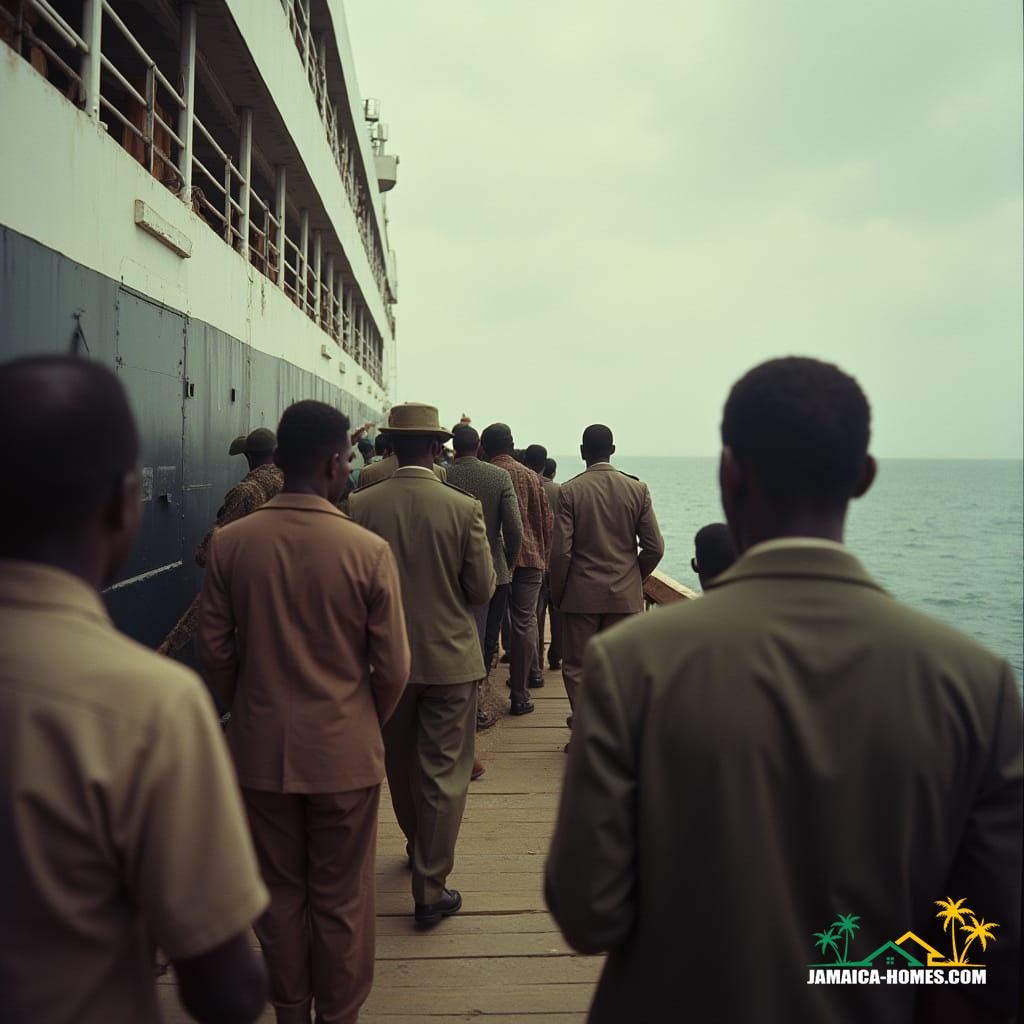
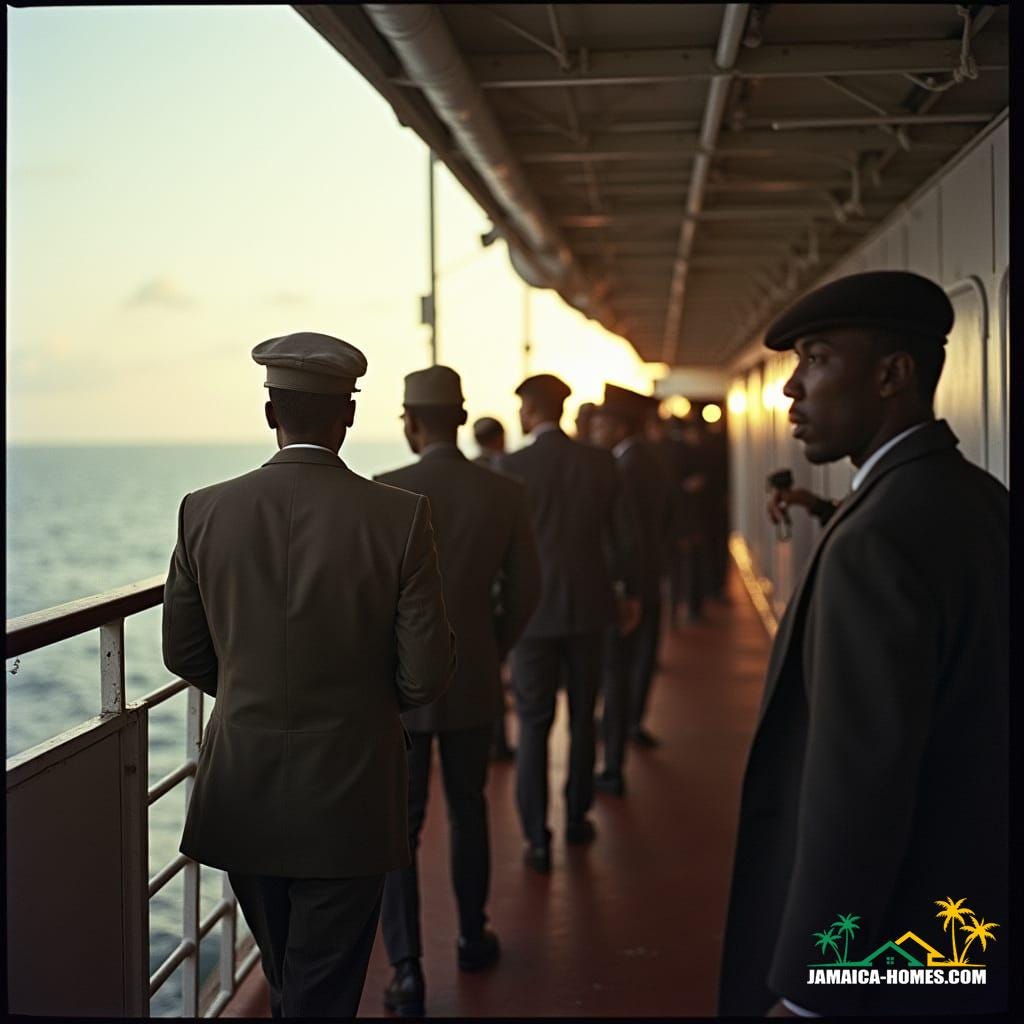
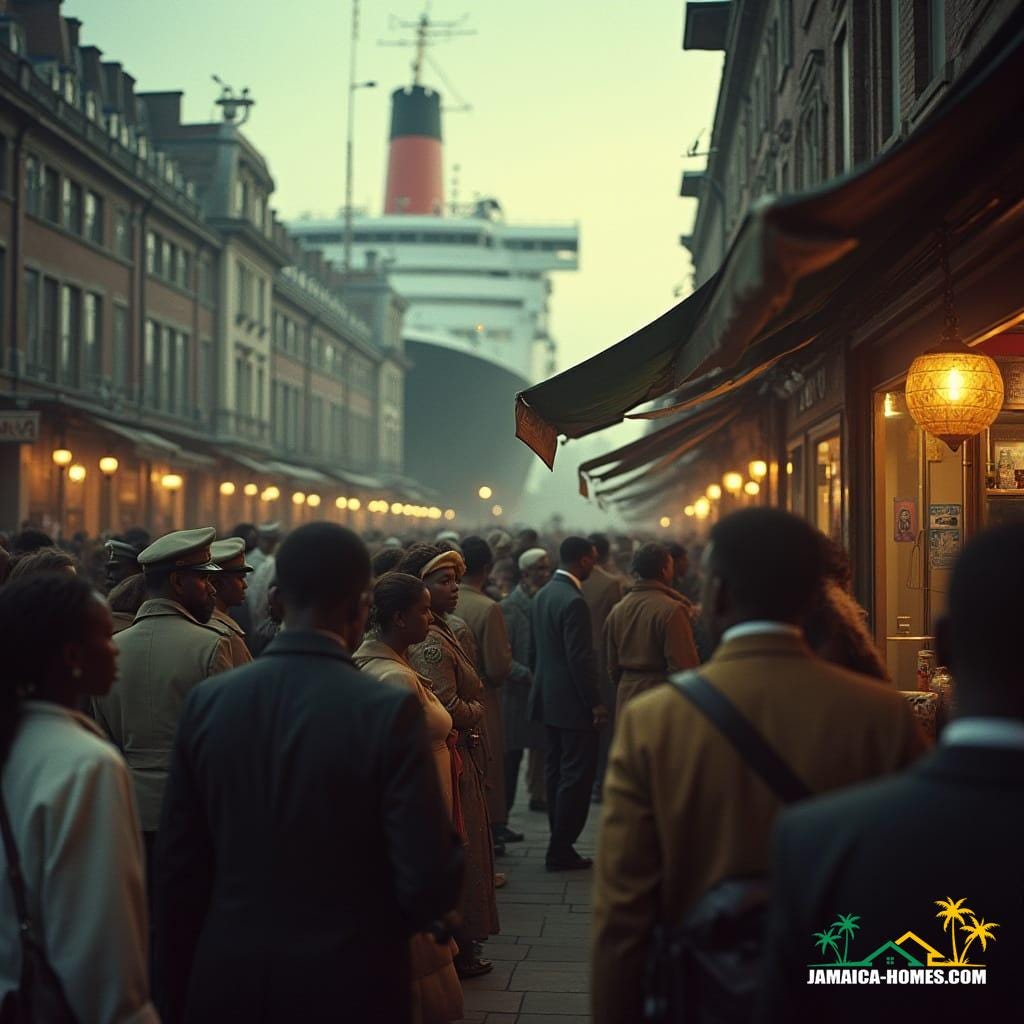
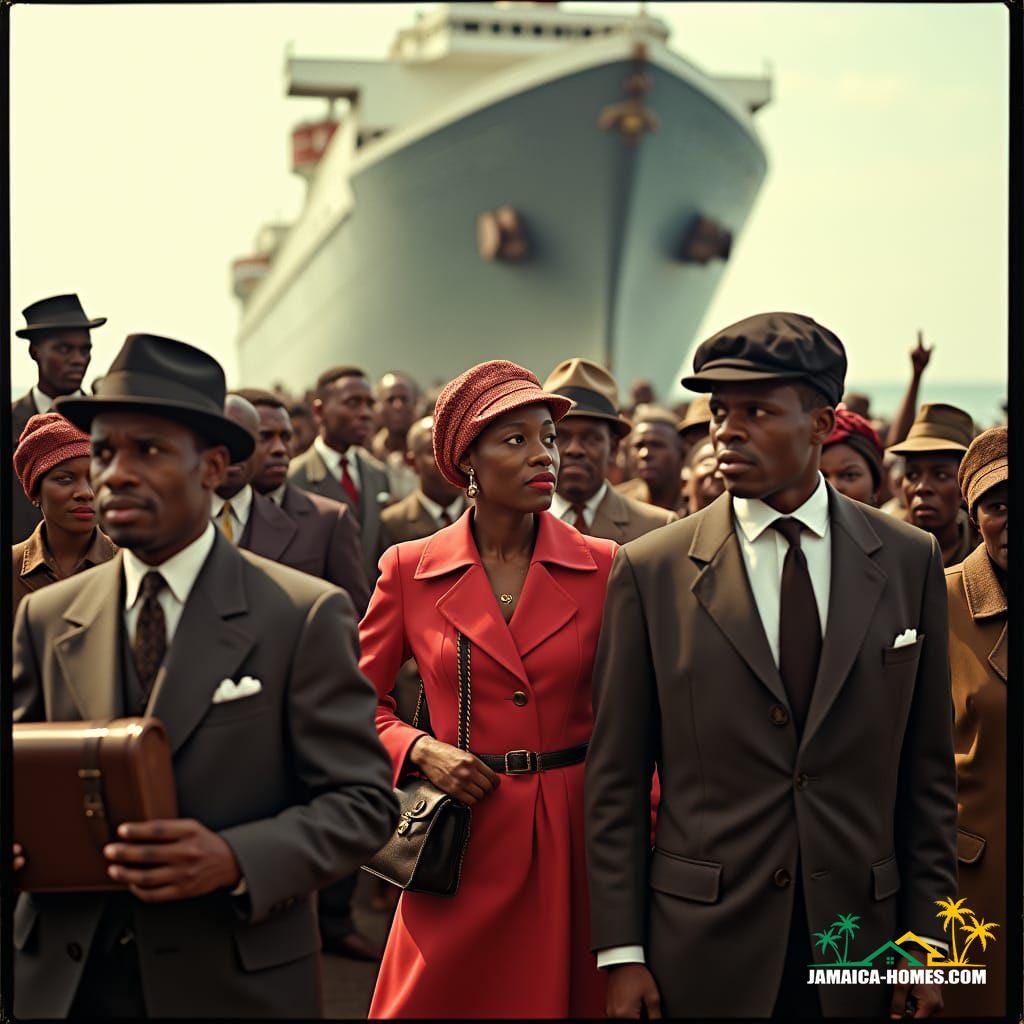
Cinematic film still of Jamaicans disembarking from the HMT Empire Windrush, a British troop ship, on June 22, 1948, in Britain, carrying 1,027 Caribbean passengers now known as the Windrush Generation. Shot on v-raptor XL, featuring film grain, vignette, rich color grading, post-processing, dramatic cinematic lighting, 35mm film, live-action, best quality, atmospheric, a masterpiece, epic, stunning, and visually dramatic.
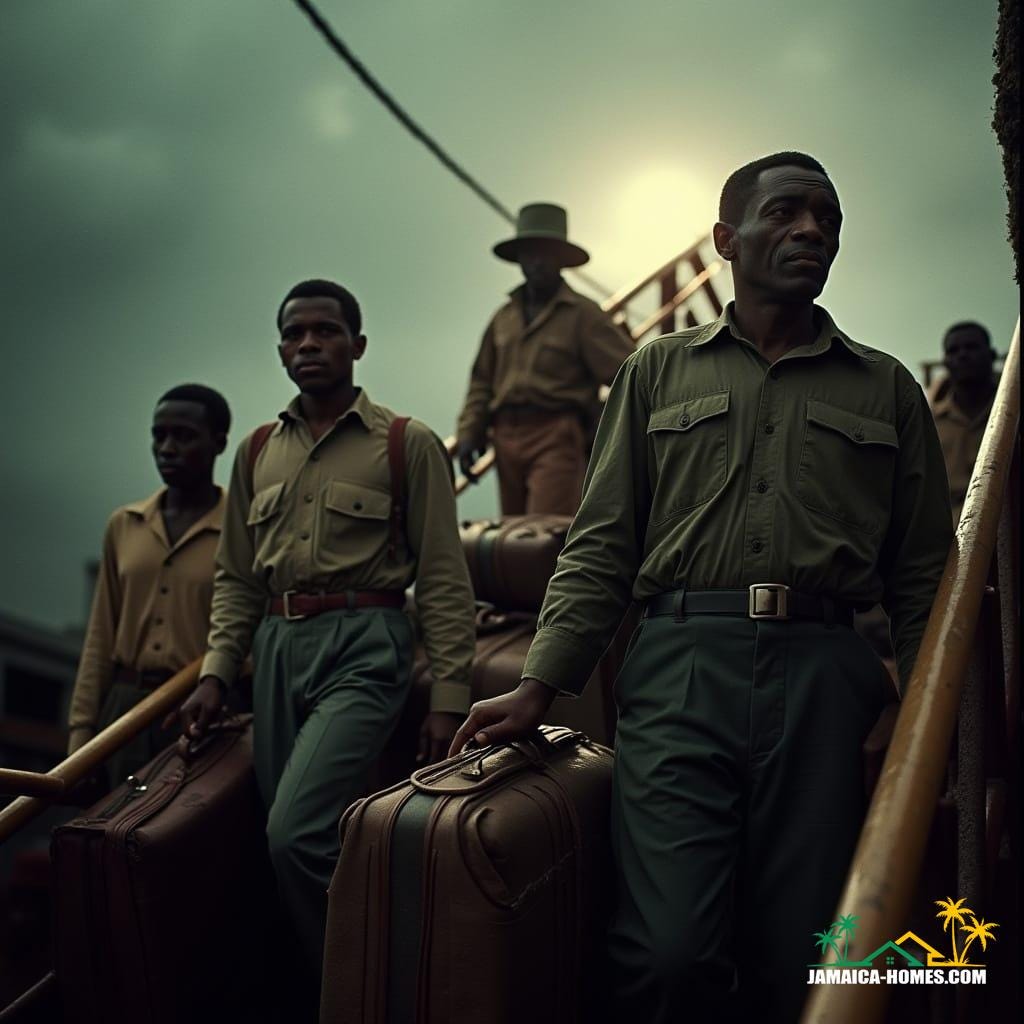
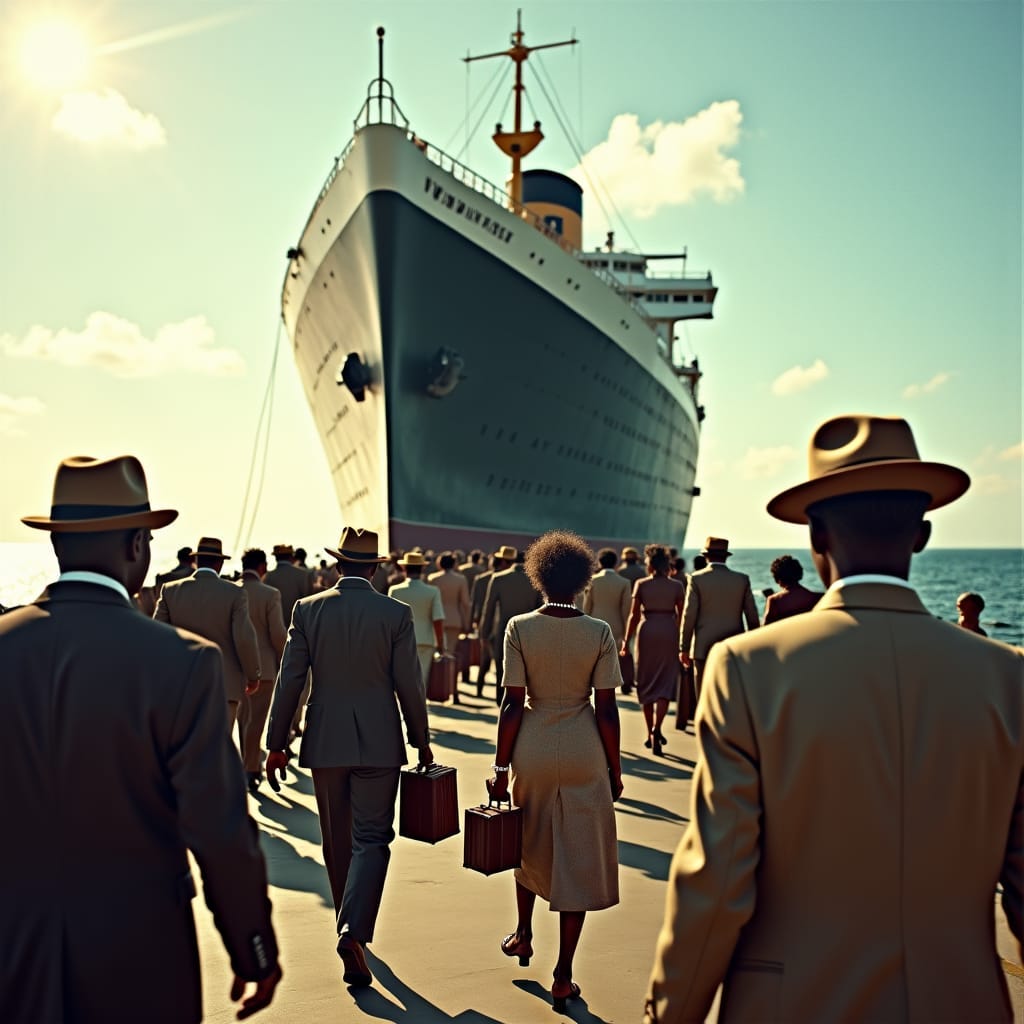
Cinematic film still: Jamaicans boarding the HMT Empire Windrush, a British troop ship, on June 22, 1948. Passengers, part of the Windrush Generation, are seen with their luggage, a mix of anticipation and determination on their faces, as they ascend the gangplank. The scene is bathed in dramatic, atmospheric cinematic lighting, with subtle film grain and a vignette effect, shot on v-raptor XL with 35mm film. Color graded and post-processed for best quality, creating an epic, stunning, and masterful live-action portrayal.
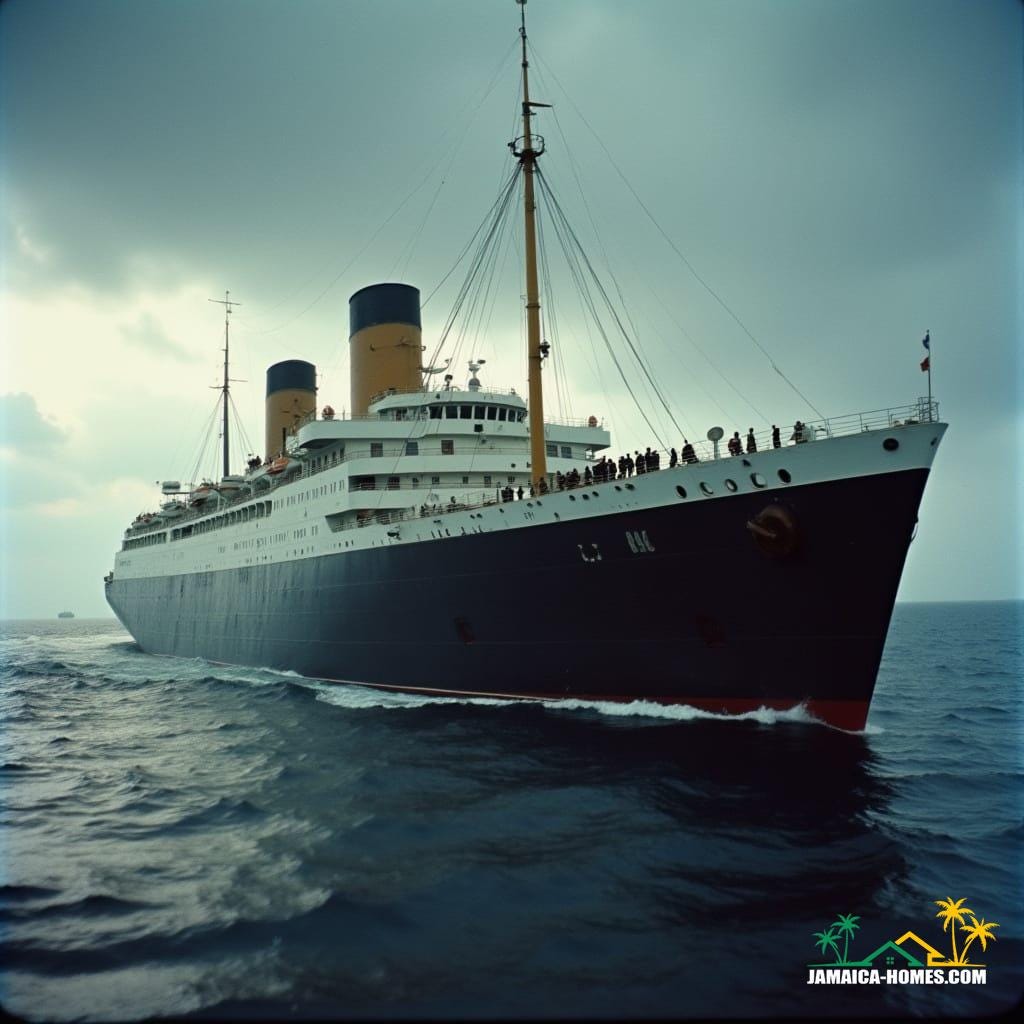
Cinematic film still of the HMT Empire Windrush arriving in Britain on June 22, 1948, carrying 1,027 Caribbean passengers. The ship is grand and imposing against a dramatic, overcast sky, with the passengers visible on deck, a sense of hopeful anticipation. Shot on v-raptor XL, 35mm film, with prominent film grain and a subtle vignette. Color graded and post-processed for a rich, atmospheric, and stunning quality, with masterful cinematic lighting that emphasizes the epic and dramatic scale of the moment. A testament to live-action filmmaking, rendered in the best quality.
It begins in the summer of 1948, when the Empire Windrush sailed into Tilbury Docks on 22 June, carrying passengers from across the Caribbean, many from Jamaica. At the time, Britain was scarred by war: bombsites still raw in London, industries creaking back to life, the National Health Service only weeks from opening its doors. And here came the Caribbean’s sons and daughters, people with ambition, courage, and little more than a suitcase in hand, to help rebuild.
To call it an arrival is too simple. It was a laying of the first stone in what became an extraordinary architectural project of cultural and social change.
Foundations: The 1940s–1950s
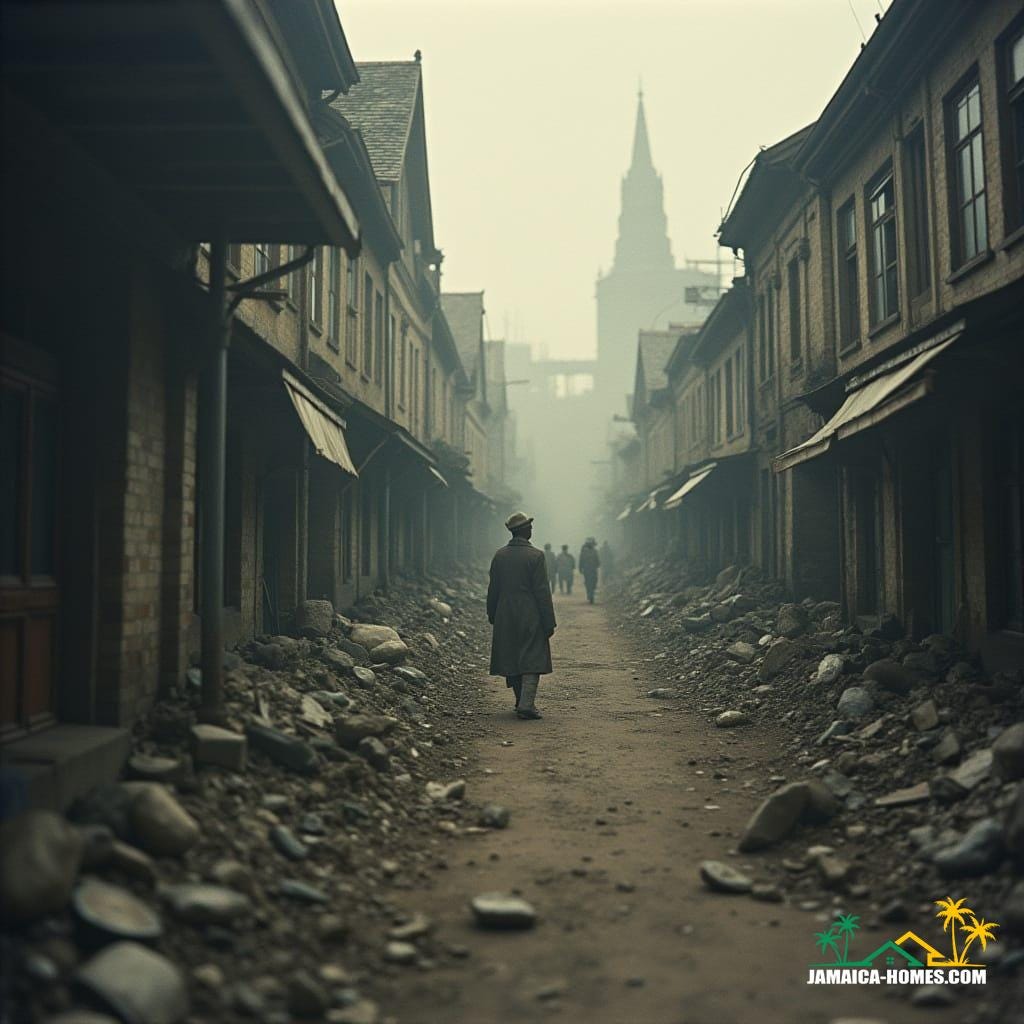
Cinematic film still of post-war Britain in the 1940s-1950s, depicting ruins and a desperate shortage of labour, contrasted with scenes of Jamaica facing economic strain, unemployment, and thin opportunities. Shot on v-raptor XL with film grain, vignette, and color grading. Cinematic lighting, 35mm film, live-action, best quality, atmospheric, a masterpiece, epic, stunning, dramatic.
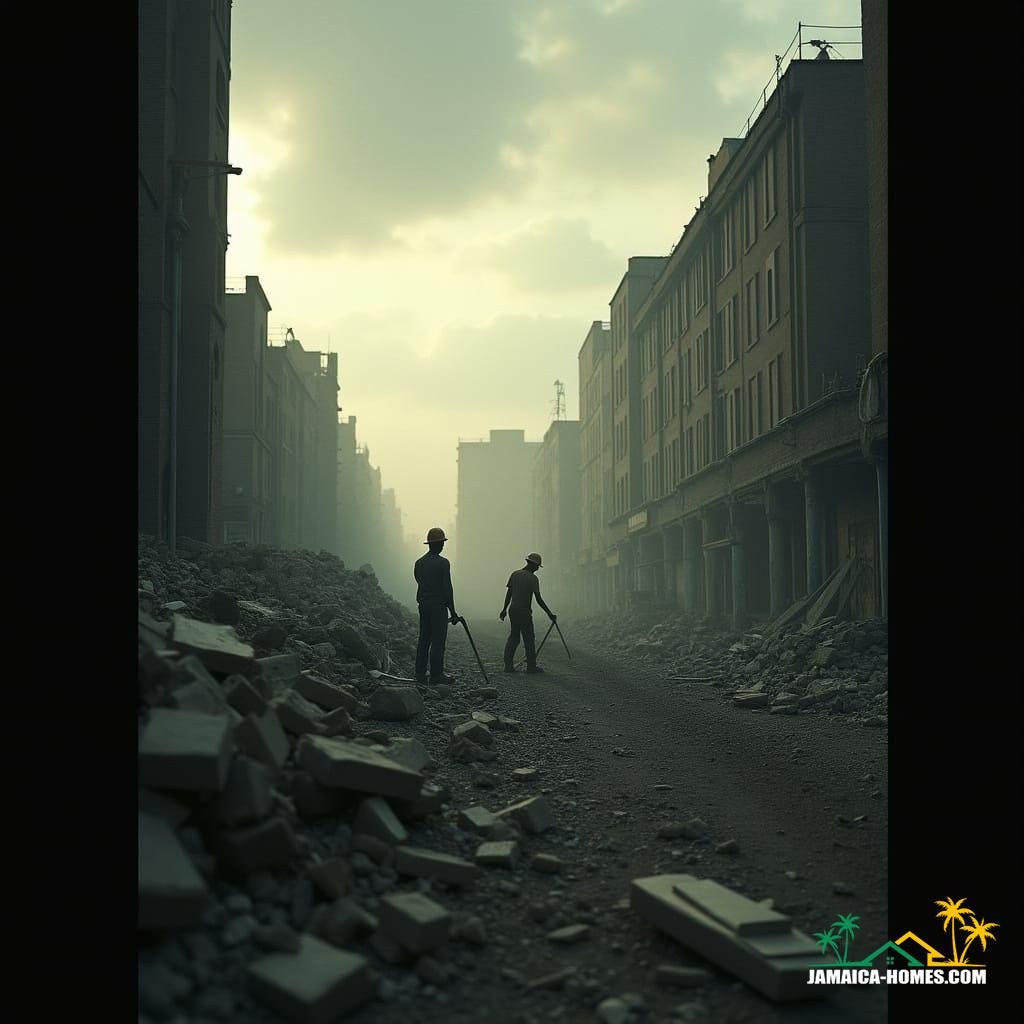
Cinematic film still, shot on v-raptor XL, film grain, vignette, color graded, post-processed, cinematic lighting, 35mm film, live-action, best quality, atmospheric, a masterpiece, epic, stunning, dramatic: A post-war Britain scene depicting urban demolition and reconstruction, with workers toiling amidst rubble under a somber, atmospheric sky. Dilapidated buildings and a desperate shortage of labor are evident. The lighting is dramatic, casting long shadows and highlighting the dust and grit.
The war had left Britain in ruins, with a desperate shortage of labour. At the same moment, in Jamaica — then still a colony — the economy strained under unemployment, sugar and banana markets volatile, and opportunities painfully thin.
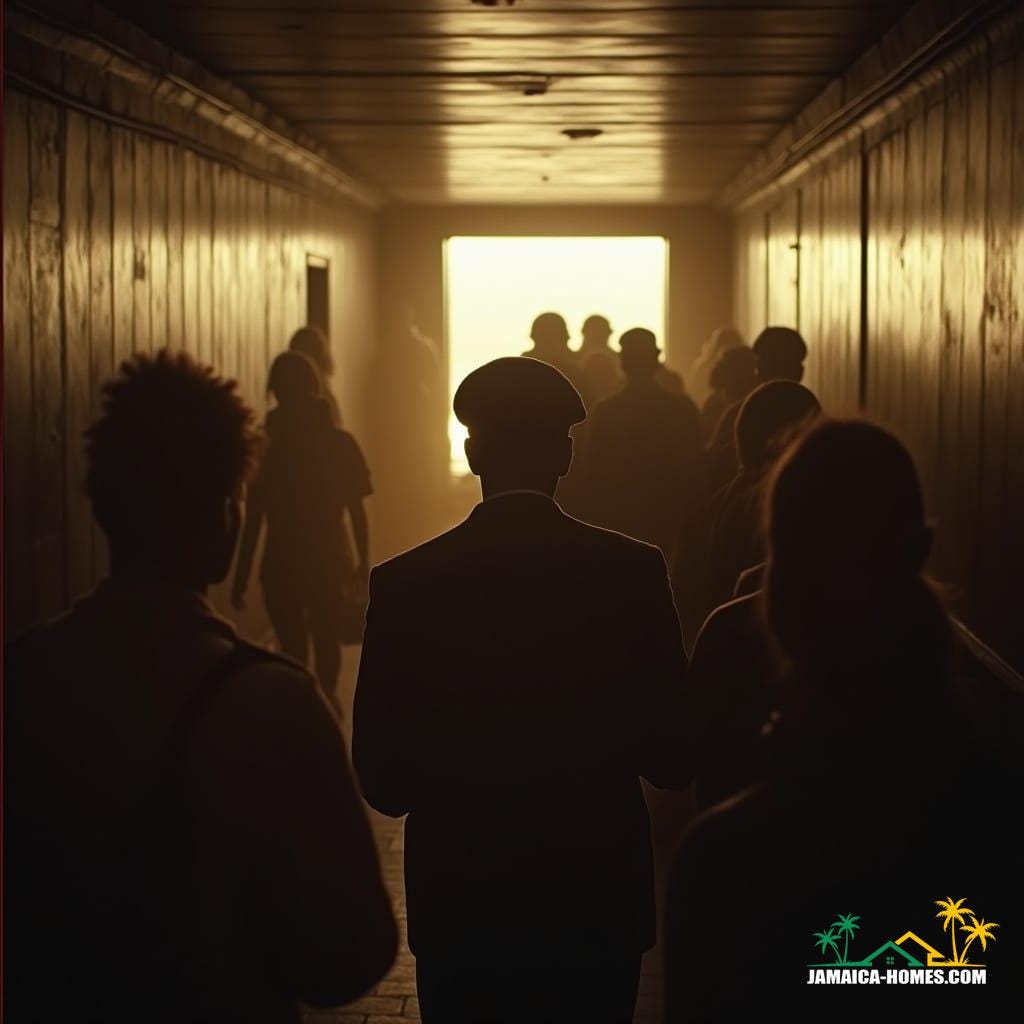
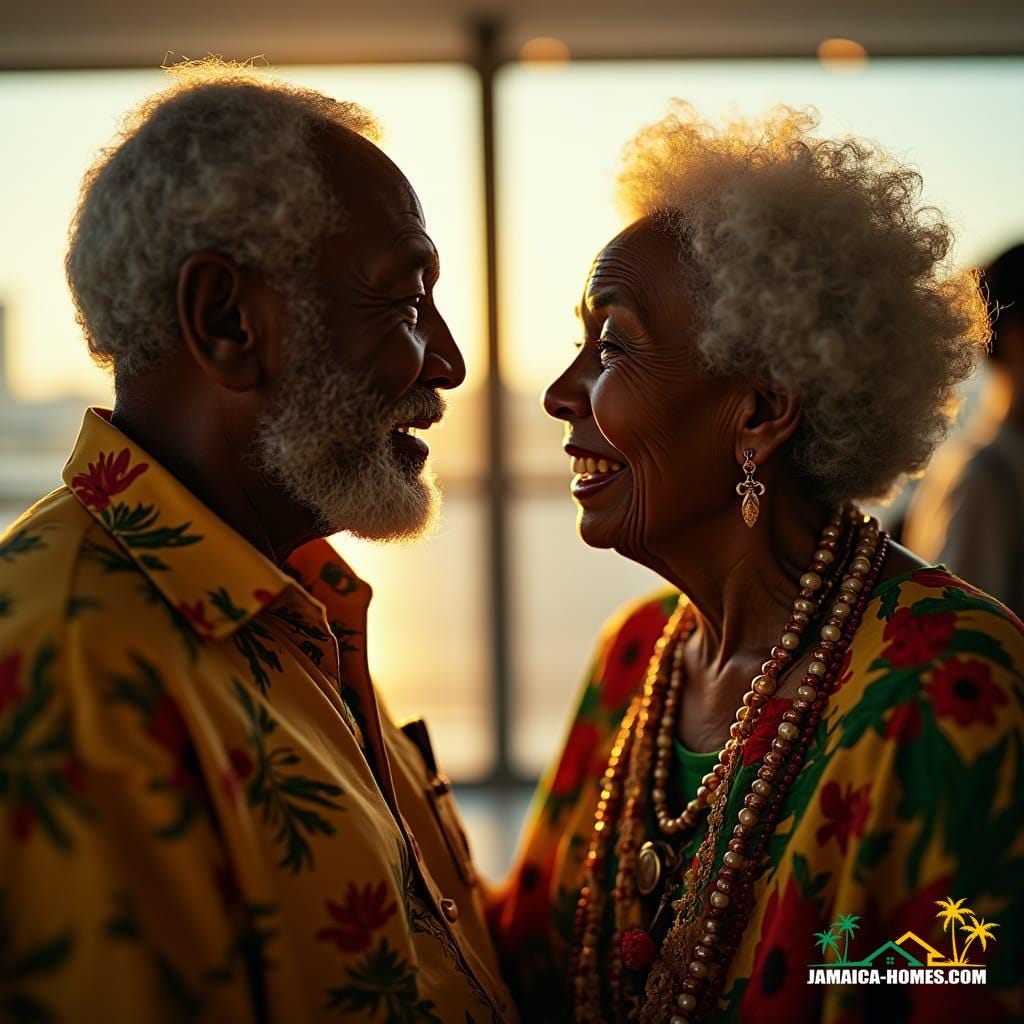
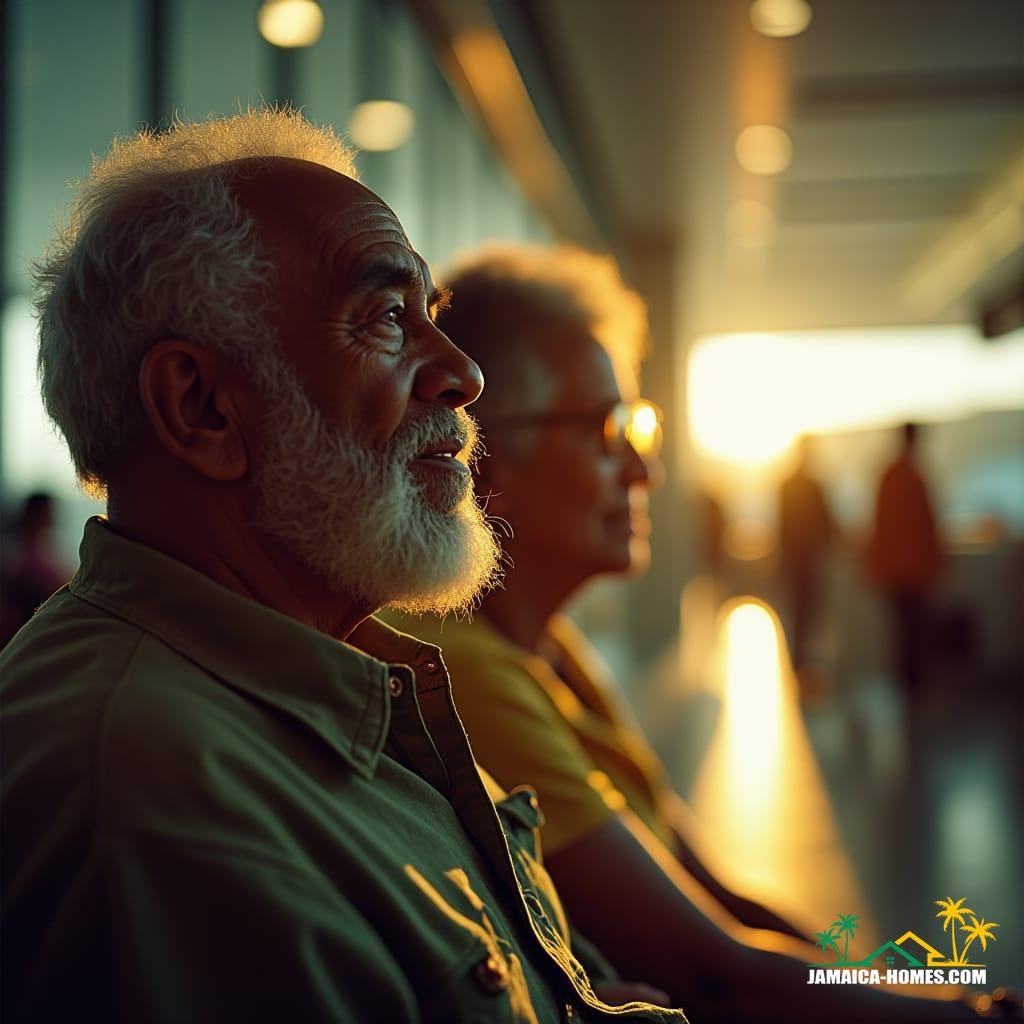
Cinematic film still, shot on v-raptor XL, film grain, vignette, color graded, post-processed, cinematic lighting, 35mm film, live-action, best quality, atmospheric, a masterpiece, epic, stunning, dramatic, depicting Jamaican immigrants disembarking a ship in Britain, a subtle golden hour glow washes over the immigration hall, highlighting the hope and uncertainty on their faces. The scene evokes the spirit of the British Nationality Act of 1948, with a focus on the human element of migration.
The British Nationality Act of 1948 had, on paper, made Jamaicans “Citizens of the United Kingdom and Colonies.” In practice, this meant they had the right to live and work in Britain. That legal framework was the footing on which thousands built their journeys. Ships crossed the Atlantic, planes followed, and by the 1950s a steady stream of Jamaicans were remaking their lives in Britain. They took up jobs on London’s buses and trains, in steelworks and factories, and in the newly created NHS. They were the scaffolding that allowed Britain to rebuild.
Cinematic film still, shot on v-raptor XL, film grain, vignette, color graded, post-processed, cinematic lighting, 35mm film, live-action, best quality, atmospheric, a masterpiece, epic, stunning, dramatic, depicting Jamaican immigrants disembarking a ship in Britain, a subtle golden hour glow washes over the immigration hall, highlighting the hope and uncertainty on their faces. The scene evokes the spirit of the British Nationality Act of 1948, with a focus on the human element of migration.
The Structure Rises: The 1960s–1970s
As the first walls rose, the design began to change. Families joined breadwinners, children were born. In towns like Birmingham, Bristol, and London, vibrant Caribbean communities grew. Churches, clubs, and shops selling Jamaican patties and callaloo became cornerstones.
Yet alongside the promise, there were cracks. Racism in housing meant “No Blacks, No Dogs, No Irish” signs in boarding-house windows. Qualified teachers or skilled workers from Kingston found themselves sweeping factory floors. Young Jamaican children, bright-eyed in British classrooms, were too often written off by a system that couldn’t — or wouldn’t — understand them.
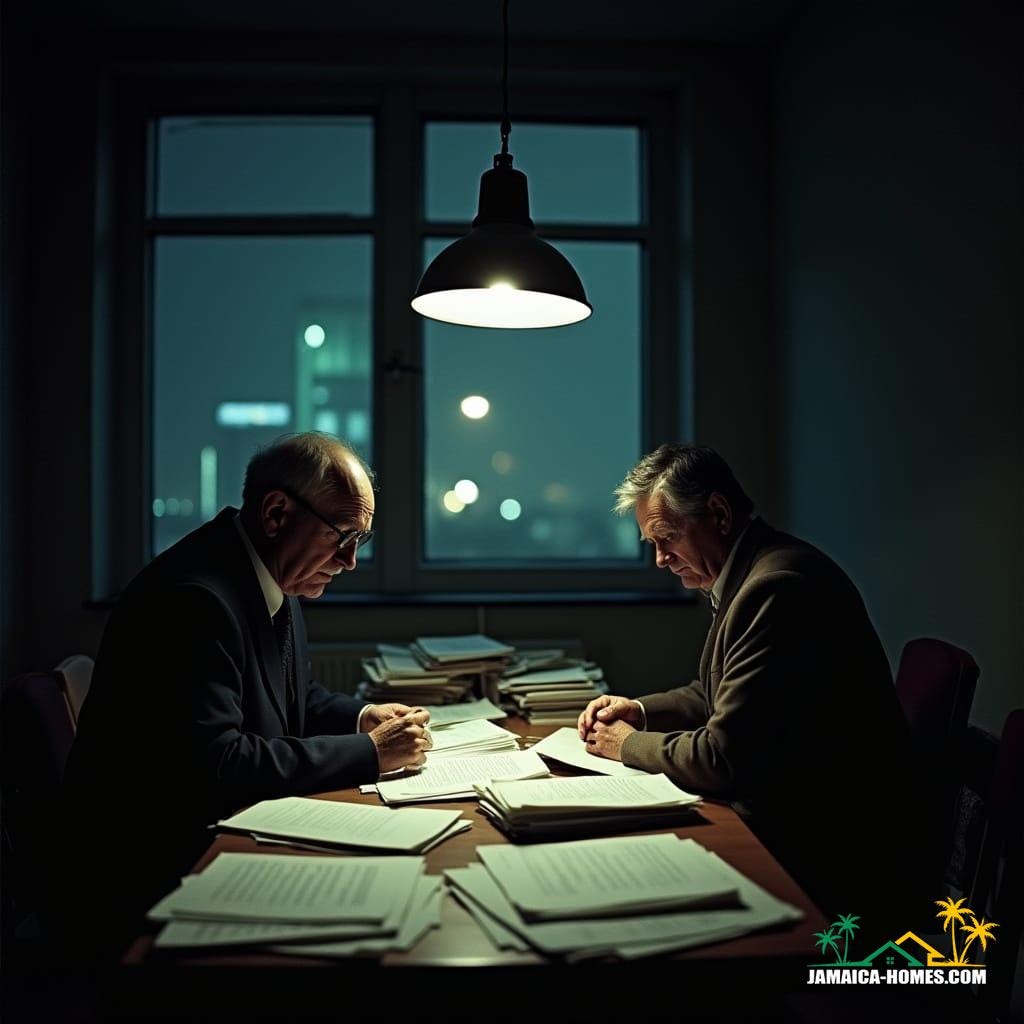
Cinematic film still of a dimly lit, cramped room filled with paperwork and legal documents. A middle-aged British immigrant couple, looking concerned and anxious, sort through stacks of official forms under the stark glow of a single overhead lamp. Outside the window, blurred city lights and a hint of smog suggest a changing urban landscape. Shot on v-raptor XL film stock, featuring prominent film grain, a subtle vignette, and dramatic, atmospheric cinematic lighting. Color graded with a desaturated, cool palette, emphasizing the tension and uncertainty of the moment. Photorealistic, 35mm film aesthetic, live-action, high quality, masterpiece, epic, stunning, dramatic.
And then came 1962. With the Commonwealth Immigrants Act, the wide-open doors of 1948 began to close. By 1971, with the Immigration Act, the rules had tightened further. Britain was pulling back, anxious about the scale of change. For those already settled, this meant navigating new paperwork, new restrictions, a shifting sense of belonging.
Still, the house of Caribbean Britain stood firm. Notting Hill Carnival was born, reggae and ska filled the airwaves, Black British identity took shape. The design, though contested, was magnificent in its resilience.
Weathering the Storm: The 1980s–1990s
By the 1980s, the children of the Windrush pioneers — British-born but raised on Jamaican food, faith, and rhythm — were coming of age. They faced the dual challenge of racism on the streets and a Britain uncertain of its identity. Yet they also brought fresh energy: dub poetry, Lovers Rock, sound systems, and activism.
Cinematic film still, shot on v-raptor XL and 35mm film, of young adults, British-born children of Windrush pioneers, coming of age in the 1980s. They are immersed in Jamaican food, faith, and rhythm. Film grain, vignette, cinematic lighting, color graded, post-processed, live-action, high quality, atmospheric, epic, stunning, dramatic.
For Jamaica, these decades meant something else too. Migration had never been one-way. Remittances flowed back, funding homes, schools, and dreams on the island. And as some in Britain reached retirement, they began to return, building houses on the land they’d bought long ago, reconnecting with cousins and communities. The architecture of the Windrush story had always had two wings: one in Britain, one in Jamaica.
Collapse of Trust: The Windrush Scandal, 2010s
No building, however strong, can withstand the removal of its foundations. And that is what happened in the 2010s.
The “hostile environment” policies introduced by the UK government demanded strict documentation from anyone seeking to prove their right to work, rent, or access healthcare. Yet thousands of Caribbean people who had lived in Britain for decades lacked the right paperwork. The Home Office had even destroyed many of the original landing cards.
By 2018, the scandal broke into the headlines: men and women who had spent fifty or sixty years in Britain, some who had never set foot back in Jamaica, were suddenly told they were illegal. They lost jobs, were denied healthcare, detained, even deported. The country they had rebuilt turned its back on them.
The public outcry was immense. The government apologised, promised compensation, and set up inquiries. But trust — like a cracked foundation — is hard to restore.
A New Extension: The Return of the Second and Third Generation (2000s–2020s)
But stories, like houses, are not static. They extend, adapt, and sometimes return to their original blueprints.
By the 2000s, a quieter movement had begun: the children and grandchildren of the Windrush pioneers, born in Britain but raised on tales of Kingston, Montego Bay, and Spanish Town, began to move the other way — back to Jamaica.
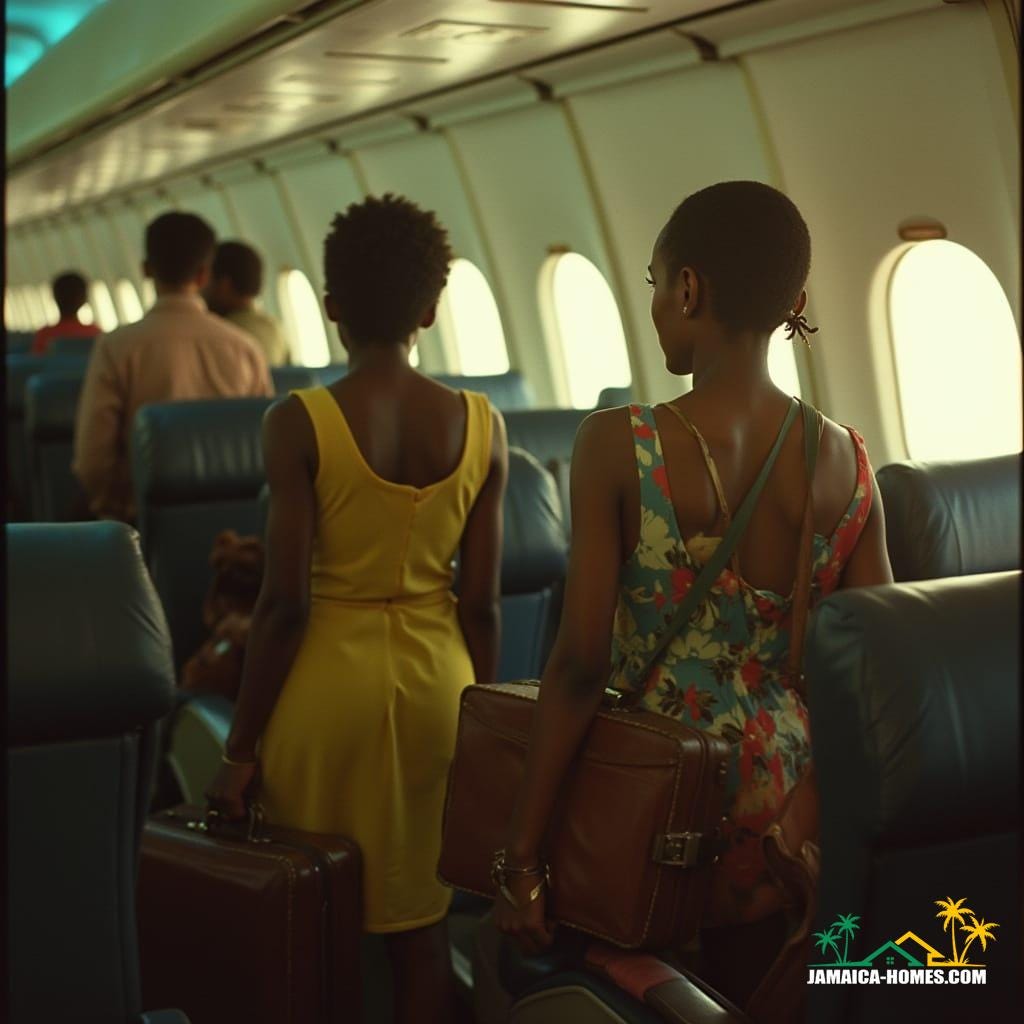
Cinematic film still of young adults, children of Windrush pioneers, travelling back to Jamaica by plane in the early 2000s, carrying vintage suitcases. The atmosphere is a bittersweet blend of anticipation and nostalgia. Shot on v-raptor XL, 35mm film, with visible film grain, a subtle vignette, and rich color grading. Cinematic, atmospheric, and dramatic lighting enhances the epic and stunning quality of this live-action masterpiece.
Some were pulled by family ties: cousins and grandparents still on the island, land waiting to be built on. Others were driven by identity: a desire to belong in a Black-majority nation, to escape the constant negotiation of race in Britain. Many came for opportunity — real estate, tourism, remote work, digital media — industries where Jamaica was growing. And for some, it was retirement: sunshine, slower pace, and the comfort of home.
These second- and third-generation returnees brought with them British education, savings, and skills. They built modern villas alongside traditional family yards, hybrid lives where Zoom calls connected London clients to verandas overlooking Kingston Harbour. Their stories are complex: they are at once Jamaican and British, at home yet adjusting, welcomed yet sometimes marked as “foreigner.” But in the grand design of history, their presence completes a circle.
Commemoration and Continuity: The 2020s
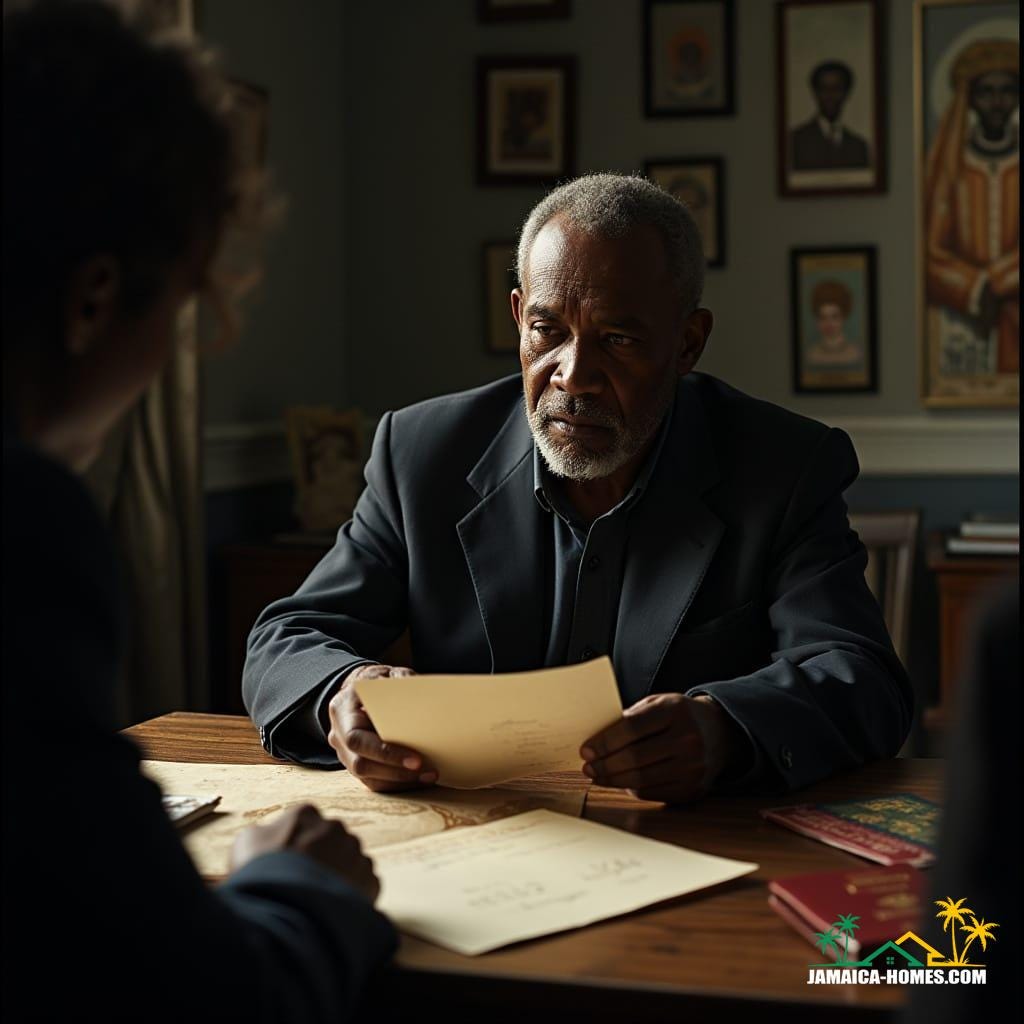
Cinematic film still, shot on v-raptor XL, 35mm film, featuring a poignant scene of an an elderly Black British man receiving a letter, with a worn passport on a table beside him. In the background, subtle hints of a commemorative stamp and a planned memorial stone are visible. The image conveys a sense of lingering bureaucracy and the slow pace of justice, contrasted with national recognition. Dramatic cinematic lighting casts long shadows, enhancing the atmospheric and emotional tone. Film grain, vignette, color graded, post-processed, live-action, best quality, atmospheric, a masterpiece, epic, stunning, dramatic.
By the time the 75th anniversary of the Empire Windrush was marked in 2023, Britain had begun to speak openly of its debt to the Windrush generation. Stamps were issued, memorials planned, and documentaries aired. Yet compensation was slow, bureaucracy still bruised, and many families still waited for justice.
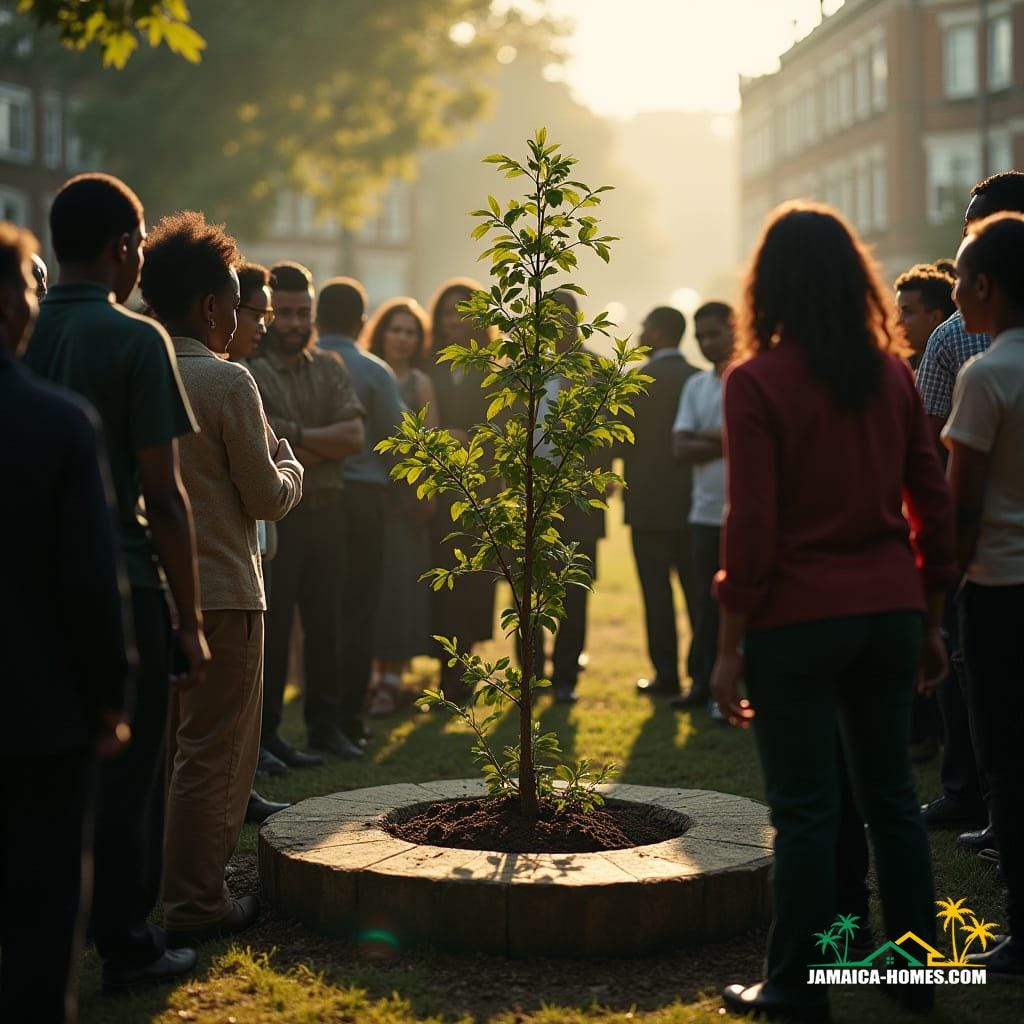
Cinematic film still, shot on v-raptor XL, 35mm film, showing a diverse group of British citizens of Caribbean descent gathered around a memorial planting a tree for the 75th anniversary of the Empire Windrush. Bureaucracy and bureaucracy are depicted through faint, out-of-focus tax forms in the background. Dramatic, atmospheric, cinematic lighting with a hint of golden hour glow, color graded, post-processed, film grain, vignette, best quality, a masterpiece, epic, stunning, live-action.
Meanwhile, Jamaica continued to court its diaspora — offering dual citizenship, diaspora conferences, and investment schemes. It recognised, as it always had, that its people abroad are part of its strength.
The Grand Design of Migration
When we step back and look at the whole picture, the Windrush story is like a house built across oceans.
Its foundations were laid in 1948, on the Tilbury docks.
Its walls rose through the labour, music, and culture of the 1950s and 60s.
Its cracks showed in discrimination, hostile policies, and the Windrush scandal.
Its extensions are the second and third generations, returning to Jamaica with new skills and dreams.
It is a design not without flaws, but with a grandeur that comes only from human resilience. For Jamaicans, both at home and abroad, the Windrush journey is not finished. It continues, as families move back and forth, as cultures merge, as identities are negotiated.
The house stands — a testament to survival, contribution, and the unbreakable ties between Jamaica and Britain.
Disclaimer The content provided on this blog is for informational and educational purposes only. While every effort has been made to ensure accuracy, no guarantee is given that the information is complete, current, or free from error. Readers are encouraged to seek independent advice before making decisions based on the material presented here. Some images and graphics featured on this site are created for illustrative purposes. They may not depict real people, places, or events, and any resemblance is purely coincidental. This blog and its authors accept no liability for any loss, damage, or inconvenience caused as a result of reliance on the information or visuals provided.