


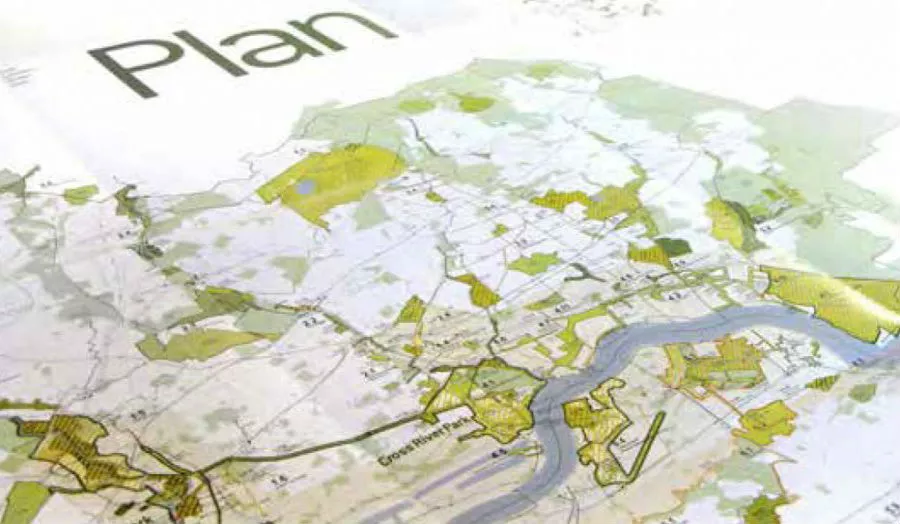
In 2010, Dean Jones assumed the contract role of Regeneration Project Manager for Bexley Council, overseeing the ambitious Belvedere Green Links project within the East London Green Grid (ELGG) initiative. Tasked with the efficient delivery of multiple projects stemming from the London Green Grid program, Jones faced the challenge of meeting crucial milestones to secure allocated funding and prevent its redirection.
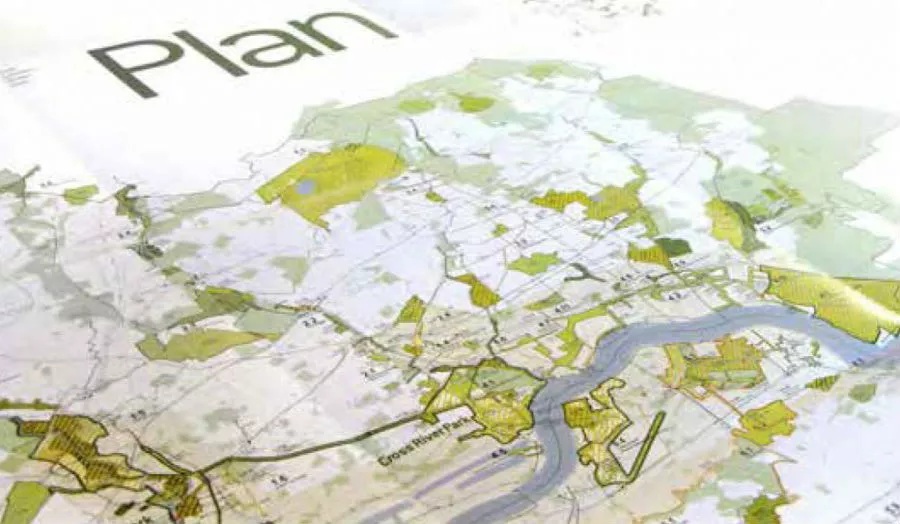
Focusing on the dual imperatives of climate change and future development, the ELGG concept aimed to establish a versatile network of strategic open spaces. The overarching goal was to enhance the quality of life for both new and existing East London residents and workers. To achieve this, Jones and his team worked to create interlinked, multi-functional, and high-quality open spaces that seamlessly connected town centers, public transport nodes, the urban fringe, the Thames, and major employment and residential areas.
The Green Grid envisioned the establishment of new public spaces, improvements to existing open spaces, and enhancements to the connections in between. Dean Jones played a pivotal role in representing the Bexley Council team at various meetings, including a memorable encounter with then-Mayor Boris Johnson at the Greater London Authority (GLA). Throughout this journey, Jones navigated project complexities, securing funding where necessary and ensuring the timely progression of initiatives critical to the success of the Belvedere Green Links project.
EAST LONDON GREEN GRID BACKGROUND INFORMATION
Strategic Summary
1. What is the East London Green Grid?
The ELGG concept aims to provide new and existing East London residents and workers with a multi functional network of strategic open space and in turn improved quality of life. This responds to the dual drivers of climate change and future development. The aim of the Green Grid is to create a network of interlinked, multi-functional and high quality open spaces that connect with town centres, public transport nodes, the countryside in the urban fringe, the Thames and major employment and residential areas. The Green Grid envisages the creation of new public spaces, the enhancement of existing open spaces and improvements to the links in between.
As a living network of open spaces, river and other corridors connecting urban areas to the river Thames, the Green Belt and beyond, the Green Grid will:
provide new and enhance existing public open spaces, reducing areas of deficiency;
provide public access along the major river and green areas;
provide a range of formal and informal recreational uses and landscapes, promoting healthy living;
provide new and enhance existing wildlife sites;
manage water collection, cleansing and flood risk with multi-functional spaces;
provide beautiful, diverse and managed green infrastructure to the highest standards for people and wildlife.
2. Why now?
As the density of London increases, access to the outdoors will increasingly be at a premium. Well-designed, accessible public spaces will therefore be crucial to create a healthier and more civilised London. East London will be a major focus for regeneration and development over the coming 20-30 years. The London Plan Further Alterations (May, 2006) states that a minimum of 157,000 additional homes by 2016 and 353,000 new jobs to 2026 will need to be accommodated in East London. For this scale of regeneration to be sustainable and respond to climate change a real improvement in environmental quality is required as an integrated part of proposed and existing roads, public transport, housing, commercial and community infrastructure.
The Mayor has recently made commitments to promote the ELGG concept and accelerate its delivery. Support to establish and safeguard the ELGG is outlined in the London Plan Review statement of intent December 2005 and will be strengthened through London Plan Review Process.
3. Who is involved in the East London Green Grid?
The concept has been developed in partnership with the LDA, the East London boroughs, Thames Gateway London Partnership (TGLP), Environment Agency and English Nature, who together with the GLA form the existing ELGG steering group.
It is proposed to divide the East London sub-region into six Green Grid sub-areas to provide the basic framework from which Green Grid development and enhancement projects can be delivered. Existing green space management organisations and adjacent boroughs have formed sub-area steering groups to develop each sub-area. The proposed sub-areas are:
Lee Valley
Epping Forest / Roding Valley
Fairlop / Beam / Ingrebourne
London Riverside
Darent / Cray River
South East London Green Chain
4. What is the role of the GLA?
The GLA Architecture and Urbanism Unit works in partnership with the east London boroughs the Department for Communities and Local Government (DCLG), the Thames Gateway delivery vehicles and others to promote major strategic open space projects. The A+UU provides a strategic direction for project development and supports each project via advice on project scoping, brief writing, consultant selection, and design development, funding and delivery strategies.
The ELGG Delivery Plan will prioritise at least four major projects as a ‘phase one’ of delivery. Over the next funding rounds the GLA will liaise closely with DCLG and other partners to align investment programmes with the ELGG phase one. The GLA will also support major bids to various lottery-funding streams, including the Big Lottery.
5. What documents relate to the ELGG?
Further Alterations to the London Plan will mention the ELGG
Green Grid Framework SPG provides non-statutory guidance on the implementation of London Plan policies by providing the framework for open space enhancement in East London. The SPG identifies where stakeholders will be able to shape their policies and actions to deliver their contribution to the strategic network as an integrated part of achieving social and economic regeneration. It also includes strategic objectives for each sub-area.
Sub-area Frameworks will help to ensure that the sub-area’s strategic projects are integrated with the borough LDFs, open spaces strategies, the London Thames Gateway Regeneration Frameworks and partner capital programmes. Alternatively, subject to partner agreement, the sub-area frameworks themselves can be prepared as joint DPSs or area action plans (AAPs) and be adopted as part of the boroughs LDF.
Overall Delivery Plan will be collated from the six Sub-area Frameworks. This will establish a prioritised investment framework and planning mechanism for multi-functional strategic open space network in the East London sub-region. This plan will identify and develop prioritised projects for investment and will be updated every two years. The Delivery Plan will prioritise at least four major projects as a ‘phase one’ of delivery.
6. Some examples of current ELGG projects:
The Roding Through Ilford, and now the Roding Through Redbridge projects with London Borough of Redbridge,
The Lower Roding project, working very closely with the Environment agency.
The Managing the Marshes Strategy (River Cray, in partnership with Bexley Council and Bexley Regeneration partnership).
The Cross River Park, where the GLA A+UU is providing the lead in partnership with Newham and Greenwich Councils
The London Riverside Conservation Park in partnership with LB Havering
The Olympic Park, in partnership with the ODA and Olympic Boroughs.
Table 1 – Benefits of Green Grid
Table 2 – Generic Green Grid Principles
Table 3 – Projects Prioritisation Rationale
Aims & Objectives
7 Area Framework Aims
8 Area Framework Objectives
Note: This is subject to the agreement of the partners
Programme Objectives
Key words: access, nature, flood risk, travel, connections, visitor destinations, health living, improving. enhancing, green space, sustainable, food production, quality of design, heritage and landscape, air quality.
A critical aspect to this will be to achieve
Key words: environment, health, enhance/improve
Follow Jamaica Homes on Youtube @jamaicahomes and Instagram @jamaica_homes and on Facebook @jamaicahomesnews Send us a message or email us at onlinefeedback@jamaica-homes.com or editor@jamaica-homes.com

Visit our YouTube Community ↗