


KINGSTON, Jamaica — Every piece of land has a story.
Some are recorded in title documents, survey plans and parish records. Others live in memories, family traditions and the stories communities tell about themselves. In Jamaica, those stories can be as powerful as any physical structure built upon the land.
That reality sits at the heart of Stew Peas, a new Jamaican feature film that is drawing attention both at home and abroad for its exploration of obeah, one of the island’s most enduring and controversial belief systems.
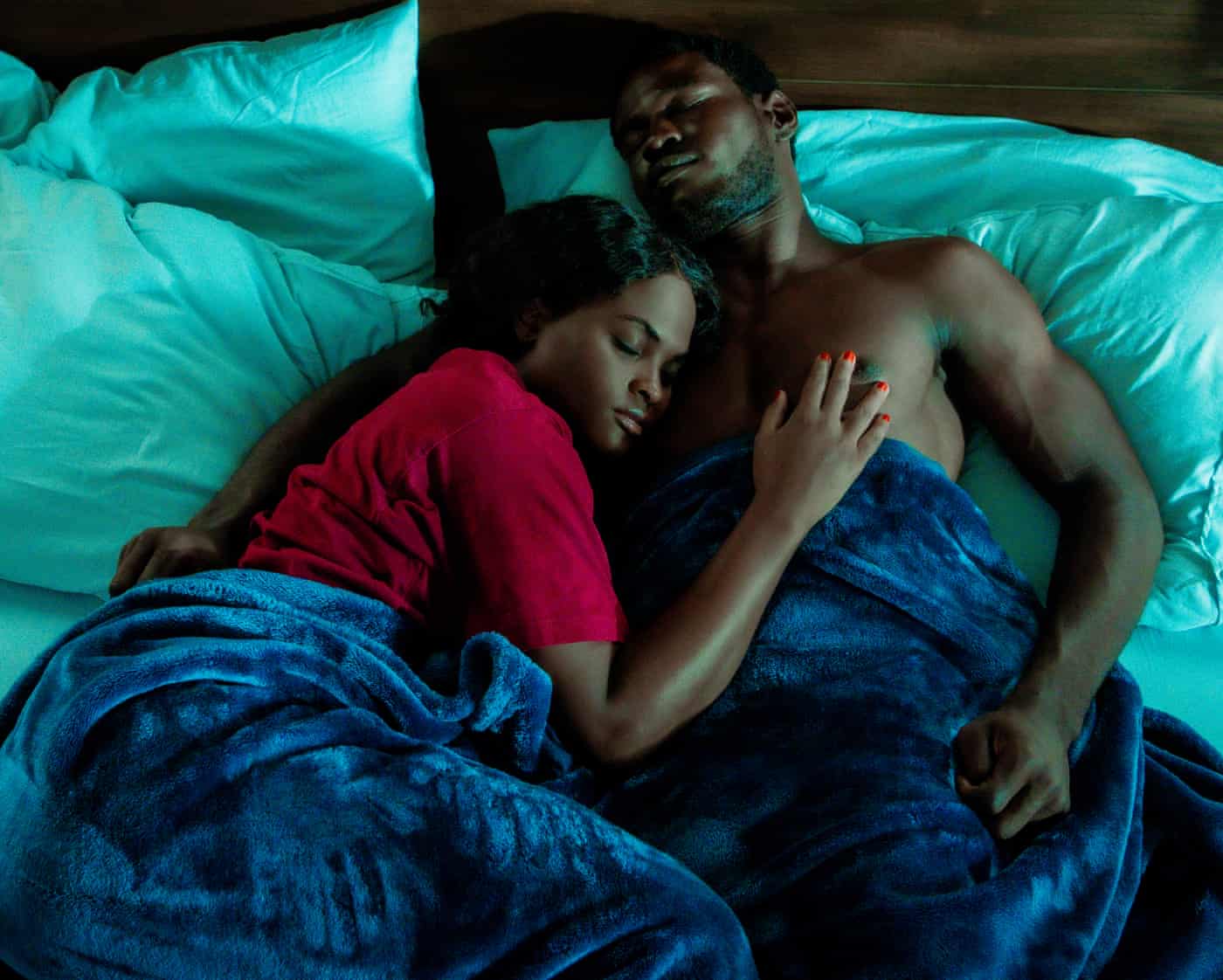
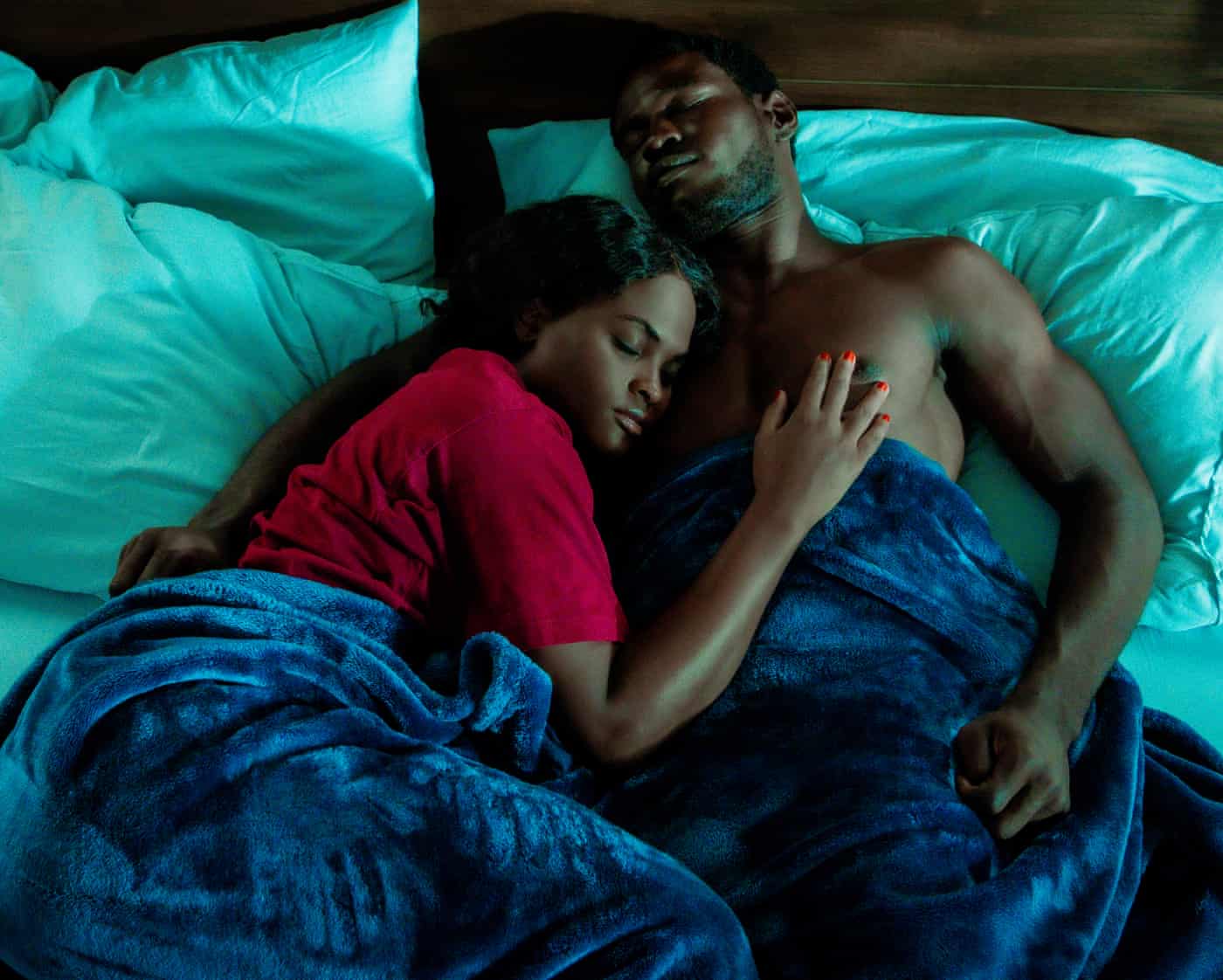
Directed by award-winning filmmaker Sosiessia Nixon, the suspense drama follows Detective Tessa as she becomes consumed by an old murder investigation while confronting growing turmoil within her own household. As the story unfolds, audiences are introduced to a longstanding Jamaican belief that a woman can spiritually bind a man to a relationship by adding menstrual blood to a traditional pot of stew peas.
The subject matter may be controversial, but the film’s significance extends far beyond folklore and superstition.
At a deeper level, Stew Peas shines a light on something that continues to influence Jamaica’s communities, culture and even its property market: the powerful relationship between people and place.
Across Jamaica, locations are often known for more than their physical geography. Certain districts are associated with history, others with healing traditions, religious significance, folklore, rebellion or cultural identity. Communities develop reputations that can endure for generations.
St Thomas, where Nixon grew up and from which much of the film’s inspiration emerged, has long been associated with stories surrounding traditional healing practices and African-derived spiritual traditions. Whether one believes in those traditions or not is almost beside the point. Their existence forms part of the cultural landscape that helps define the parish.
That cultural identity matters.
Around the world, successful places are rarely built solely on infrastructure. They are built on stories. Buyers, investors and visitors are increasingly drawn to destinations that possess a strong sense of character and authenticity.
In Jamaica, that authenticity is found in abundance.
From the Maroon heritage of the Cockpit Country to the great houses of the north coast, from the music history of Trench Town to the cultural traditions of rural St Thomas, the island possesses layers of history that continue to shape how communities are perceived today.
For real estate professionals, this is an important lesson.
Property values are influenced by location, infrastructure and economic conditions. Yet community identity often plays a significant role in how people experience a place. A neighbourhood’s reputation, heritage and cultural significance can influence everything from tourism demand to investment interest and long-term desirability.
The global tourism industry has long understood this principle.
Travellers increasingly seek authentic experiences rather than generic destinations. They want stories. They want culture. They want places that feel distinctive and rooted in history.
That trend presents opportunities for Jamaica.
Films such as Stew Peas help introduce international audiences to dimensions of Jamaican culture that extend beyond beaches and resorts. They showcase a country rich in history, complexity and tradition.
In doing so, they contribute to the wider narrative that supports tourism, investment and economic activity.
The connection between creative industries and real estate is often overlooked.
When film productions arrive, they create demand for accommodation, commercial space, transportation services, restaurants and local suppliers. Successful productions can elevate awareness of locations, attract visitors and generate interest in areas that may previously have received little international attention.
Cities such as Atlanta, Vancouver and Belfast have demonstrated how film industries can contribute to wider economic development and property investment. While Jamaica operates on a different scale, the underlying principle remains the same.
Creative industries help shape perceptions.
Perceptions help shape investment.
Investment helps shape communities.
This comes at a particularly important moment for Jamaica’s creative sector.
The country’s filmmakers, artists and cultural organisations continue to navigate the challenges of recovery following Hurricane Melissa. Several cultural initiatives were disrupted, infrastructure suffered damage and many creative entrepreneurs were forced to postpone projects.
Against that backdrop, the release of a major Jamaican feature film carries significance beyond the cinema screen.
It sends a message that Jamaica continues to create, innovate and tell its own stories.
Film commissioner Jacqueline Jackson has described productions such as Stew Peas as evidence of the resilience and determination of Jamaica’s creative industries. That resilience matters not only for filmmakers but for the wider economy.
A vibrant creative sector contributes to national confidence.
National confidence attracts investment.
And investment supports everything from tourism development and hospitality projects to housing construction and urban regeneration.
The debate explored within Stew Peas also touches upon a broader national conversation about identity.
For centuries, African spiritual traditions existed alongside Christianity in Jamaica, often creating tension but also reflecting the complex cultural inheritance that defines the island. Elements of those traditions remain visible in language, music, folklore and everyday life.
As Jamaica continues to evolve, questions about heritage and identity are becoming increasingly relevant. What aspects of our history do we preserve? Which stories do we celebrate? How do we balance modern development with cultural authenticity?
These are not just cultural questions.
They are planning questions.
They are tourism questions.
They are community-building questions.
And increasingly, they are real estate questions.
The most successful places rarely erase their history. Instead, they find ways to embrace it while building for the future.
That may ultimately be the most important takeaway from Stew Peas.
The film is not simply about obeah. Nor is it merely a suspense story built around a provocative Jamaican folk belief.
It is a reminder that places are shaped by more than roads, buildings and infrastructure.
They are shaped by memory.
They are shaped by culture.
They are shaped by stories passed from one generation to the next.
And in Jamaica, few assets are more valuable than the stories that make each community unique.
As investors, developers and homebuyers continue to look across the island for opportunities, those stories will remain part of what gives Jamaica its enduring appeal.
Because long after a building is constructed, renovated or sold, it is the character of a place that often remains.
And that character is built over centuries, one story at a time.
Follow Jamaica Homes on Youtube @jamaicahomes and Instagram @jamaica_homes and on Facebook @jamaicahomesnews Send us a message or email us at onlinefeedback@jamaica-homes.com or editor@jamaica-homes.com

Visit our YouTube Community ↗