

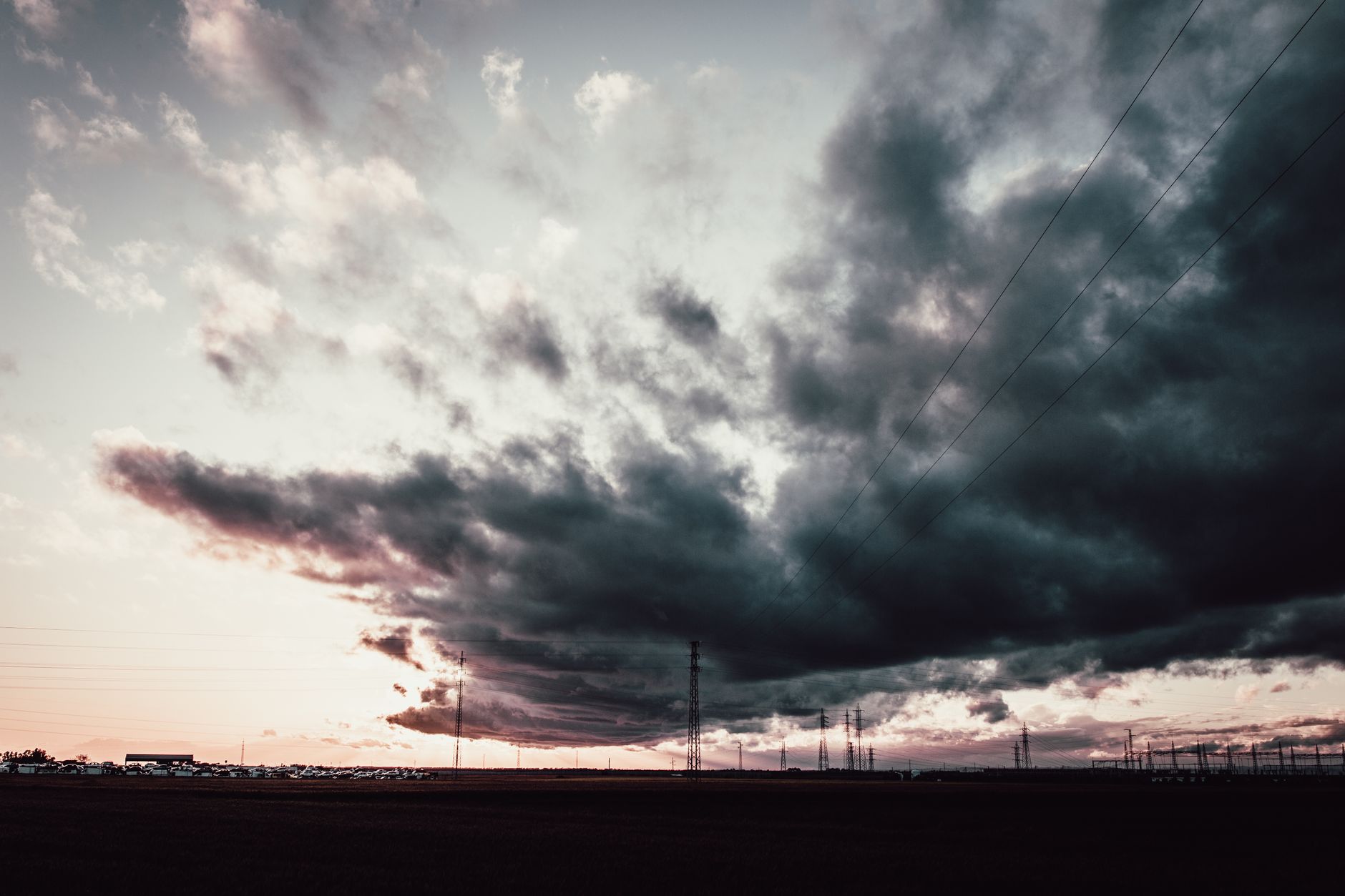
KINGSTON, Jamaica — The conversation about how Jamaica builds its homes has changed. It did not change with a single announcement or a piece of legislation, though legislation matters. It changed the way that most important shifts change — gradually, then all at once, as the accumulated weight of experience made certain questions impossible to avoid any longer.
How a home performs in a storm. Whether it was designed to handle the kind of rainfall that has become more frequent and more severe. Whether the land it sits on was assessed for drainage, elevation, and flood risk before the first brick was laid. Whether the roof will hold. Whether the investment a family spent years accumulating will still be standing the morning after the weather system passes.
These are no longer abstract questions for Jamaican homebuyers and developers. They are among the first questions being asked. And that shift, uncomfortable as its origins are, represents something genuinely important: a real estate market and a building culture that is growing up — moving from aspiration to accountability, from aesthetics to structural integrity, from what a home looks like to what a home can withstand.
From Aesthetics to Accountability
For much of Jamaica’s modern property history, the markers of a desirable home were primarily visual. Square footage, finish quality, the size of the kitchen, the presence of a verandah with a view, proximity to a good school or a main road. These things still matter — they always will. But layered underneath them now is a new set of criteria that any serious buyer, developer, or mortgage institution in Jamaica is starting to apply with growing rigour.
Drainage. Slope stability. Roofing standards. Water storage capacity. Energy resilience. These are the questions shaping how informed buyers evaluate properties in 2026 — and how developers who are paying attention are responding. Properties that score well on these criteria are maintaining and attracting demand. Those that do not are beginning to face harder questions about their true value and insurability.
“We cannot build as if the world will always be kind. We have to build as if the world will sometimes be cruel — and make sure our structures, both financial and physical, can stand up when it is. A home that survives a difficult season is not just a better investment. It is a statement of respect for the family inside it.”
— Dean Jones, Founder of Jamaica Homes & Realtor Associate
Insurance is increasingly part of this conversation in ways that were previously underappreciated. Jamaica’s exposure to extreme weather events has always made property insurance a consideration, but it has historically been an afterthought in the purchasing decision for too many buyers. That is changing. The cost and availability of insurance coverage for properties in high-risk zones, on poorly drained land, or built to substandard specifications is now influencing both buyer decisions and lender requirements. Climate resilience, in other words, is becoming financially legible — which means it is starting to be priced into the market itself.
What Climate-Resilient Building Actually Means in the Jamaican Context
It is worth being clear about what is meant by climate-resilient construction in Jamaica, because the term can attract either dismissal — as expensive and impractical — or mystification — as something only large developers with international consultants can access. Neither response is accurate or useful.
Climate-resilient building in the Jamaican context means, at its most fundamental level, building homes that are designed to perform in the actual climate of the actual island. That means roofing designed and secured to withstand high winds, not simply whatever is affordable at the time of construction. It means foundations and drainage appropriate to the site’s specific topography and soil conditions. It means water storage and backup systems that allow a household to function during the infrastructure disruptions that major weather events routinely produce. It means solar integration — which, in Jamaica’s sunlight conditions, is not a luxury feature but a rational response to both energy costs and grid vulnerability.
None of these things require an international budget. Many of them represent practices that older generations of Jamaican builders understood instinctively, before cheaper and faster became the dominant values in construction. The revival of those standards, informed by contemporary engineering and materials, is not a foreign imposition. It is a return to building with genuine respect for the environment in which a home will stand.
The Developer’s Responsibility — and Opportunity
For developers operating in Jamaica’s current market, the shift toward resilience-focused construction represents both a responsibility and a genuine competitive opportunity. The buyers who are active in the market right now — whether local professionals, returning diaspora, or international investors — are asking harder questions than their predecessors. They have more information available to them, more recent memory of what inadequately built structures look like in the aftermath of a serious weather event, and a longer-term orientation toward their investment that makes structural quality more salient than it was during periods of rapid price appreciation.
Developers who respond to this shift with genuine commitment — who invest in climate-resilient design, who are transparent about their building standards, who engage honestly with questions about drainage, elevation, and materials — will be better positioned than those who treat it as a passing compliance exercise. The market is beginning to reward the difference, not dramatically or overnight, but in the quiet, persistent way that fundamental shifts in buyer priorities always eventually express themselves in price and demand.
There is also the matter of what Jamaica’s new National Policy for Culture, Entertainment and the Creative Economy signals more broadly: a government that is increasingly interested in positioning the country’s distinctive strengths as long-term assets rather than short-term revenue sources. The same logic applies to housing and construction. Building Jamaica’s housing stock to a standard that reflects the island’s actual climate and geological conditions is not an expense. It is infrastructure for the next generation of ownership.
“The most responsible thing you can do when you sell someone a home in Jamaica is ensure that what they are buying can protect them. Not just financially. Physically. A home is not just an asset. It is shelter. And shelter has to be serious.”
— Dean Jones, Founder of Jamaica Homes & Realtor Associate
The Homeowner’s Checklist — What to Ask Before You Buy
For individual buyers navigating Jamaica’s property market in the current period, the practical implication of the resilience conversation is straightforward: due diligence needs to extend beyond the standard checks. Title searches, legal clearance, and structural surveys remain essential. But they should now be accompanied by a set of environment-specific questions that many buyers have historically not thought to ask.
What is the flood history of this area? How does drainage perform during heavy rainfall? What is the roofing specification, and when was it last assessed? Does the property have water storage that would sustain the household during a utility outage? Is the land on a slope with known stability issues? Is there solar or backup energy capacity, and if not, what would it cost to add? What does the insurance situation look like for this specific property — not the parish generally, but this specific address?
These questions are not designed to discourage buyers. They are designed to produce better decisions. A buyer who asks them and gets satisfactory answers has much stronger grounds for confidence in their investment. A buyer who asks them and receives evasion or inadequate answers has learned something equally valuable — before rather than after the commitment is made.
Rebuilding With Memory
There is something important in the way that Jamaica has historically rebuilt after damage. It has been, for the most part, a community-driven process — neighbours helping neighbours, extended families pooling whatever resources were available, a collective prioritisation of getting people back under roofs that reflected deep-seated values about mutual obligation and communal survival. That instinct is admirable and it has served Jamaica well.
What the current moment calls for, alongside that instinct, is a commitment to rebuilding with memory — to learning from what proved vulnerable and making different decisions in the reconstruction. Not simply replacing what was there with something identical, but taking the opportunity that reconstruction provides to build something better. Stronger roofs. Better drainage. More thoughtful site selection. Homes that are designed to give their occupants a fighting chance when the next difficult season arrives, as at some point it inevitably will.
The World Bank’s Country Partnership Framework for Jamaica specifically identifies strengthening resilience to shocks as one of three central pillars of support through 2027 — alongside boosting human capital and creating better quality jobs. The recognition that climate resilience and economic development are not separate agendas but deeply interconnected ones is increasingly shared across institutional and policy thinking. What is now needed is for that recognition to translate into the actual decisions made by builders, buyers, developers, and communities on the ground.
“Every home rebuilt stronger is a gift to the family that lives in it and to the community around it. Jamaica is not rebuilding back to where it was. It is rebuilding forward to where it needs to be.”
— Dean Jones, Founder of Jamaica Homes & Realtor Associate
The Long View
Jamaica’s housing story has always been shaped by people who took the long view when the short view was difficult. The diaspora family that remitted money for years to build a house on the family land. The couple that rented for a decade rather than buy something they could not properly afford. The builder who used better materials than the budget strictly demanded because they understood that the house would outlast them. The farmer who planted trees they would never sit under.
That long-view instinct is what Jamaica’s housing sector needs now, applied to the question of resilience. It is not a conversation about fear or restriction. It is a conversation about building homes that are worthy of the families who will live in them, and worthy of an island that has proven, time and again, its capacity to endure and adapt.
The conversation has changed. And that, quietly and importantly, is a sign that something is moving in the right direction.
Jamaica Homes is committed to supporting buyers, sellers, and developers with accurate market insights and responsible property guidance. For resilience-focused property searches and professional advice, visit jamaica-homes.com.
Follow Jamaica Homes on Youtube @jamaicahomes and Instagram @jamaica_homes and on Facebook @jamaicahomesnews Send us a message or email us at onlinefeedback@jamaica-homes.com or editor@jamaica-homes.com
Support independent Jamaican journalism.
- 1Our journalists cover housing, politics and community — stories that directly affect Jamaican lives.
- 2We have no billionaire owner and no advertisers calling the shots. Every story is decided by our editors.
- 3It costs less than a cup of coffee a week, and takes less time to subscribe than it took to read this article.
Support Jamaica Homes News today.
- Save 17% compared to monthly
- All articles unlocked
- Weekly newsletter
- Priority support
By subscribing you agree to our Privacy Policy and Terms.

Visit our YouTube Community ↗