

Publication Date: 3 November 2011 | Coverage Period: 3 October – 2 November 2011
Morning Briefing
- Andrew Holness, 39, is sworn in as Jamaica’s youngest-ever Prime Minister on 23 October following the resignation of Bruce Golding, signalling a generational shift in the island’s political leadership.
- The Eurozone crisis enters a dangerous new phase as Greek Prime Minister Papandreou calls a referendum on the bailout package, rattling European markets and prompting concern among Caribbean tourism operators dependent on European visitors.
- Trinidad and Tobago’s energy sector posts strong third-quarter production numbers, underpinning robust government revenues and continued infrastructure investment across the twin-island republic.
- Barbados reports steady hotel occupancy rates through October despite the global headwinds, with North American visitors partly compensating for any softening in European arrivals.
- The Cayman Islands financial services sector holds firm, with international law firms and fund administrators reporting continued client inflows from North American institutional investors.
- Regional airline capacity adjustments ahead of the winter season are prompting hoteliers across the Eastern Caribbean to sharpen their marketing strategies toward the all-important North American market.
Jamaica’s Political Transition and Property Market Implications
The resignation of Prime Minister Bruce Golding on 21 October and the swift swearing-in of Andrew Holness two days later has brought a new energy to Jamaican political life. At just 39 years of age, Holness carries considerable optimism from within his Jamaica Labour Party and from elements of the business community who hope a youthful face will bring fresh thinking to the island’s persistent fiscal challenges. Property investors and developers are watching closely to see whether the new administration will advance plans for economic zone development and tourism infrastructure that had stalled in recent months.
Jamaica’s real estate market has been navigating a period of careful consolidation. Mortgage lending remains constrained by relatively high interest rates, and consumer confidence in the residential segment is cautious. However, the commercial and tourism-related property sectors continue to attract interest from regional and international investors who see long-term value in well-located assets in Montego Bay, Ocho Rios, and the emerging South Coast corridor. The Holness transition, while creating some short-term political uncertainty, has not derailed any major transactions that were in negotiation before the leadership change.
Industry observers note that any new government in Kingston will face the same structural challenge: Jamaica’s public debt load remains one of the heaviest in the world relative to GDP, and engaging with international financial institutions will be a priority regardless of political affiliation. The International Monetary Fund relationship will shape the investment climate more profoundly than most domestic policy announcements in the months ahead.
Eurozone Crisis: Caribbean Tourism Feels the European Chill
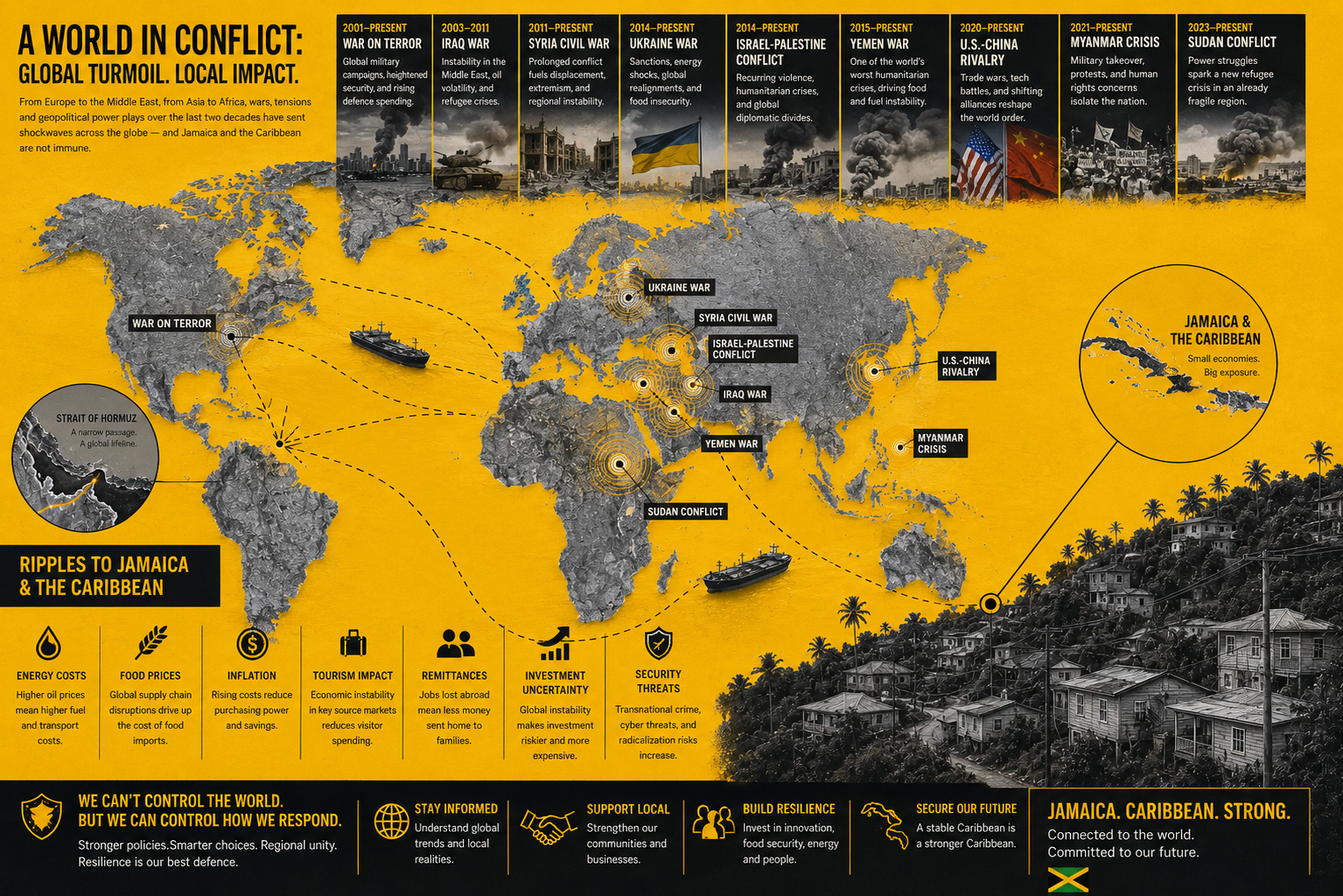
The deepening Eurozone sovereign debt crisis is the most significant external factor bearing on Caribbean tourism and property investment as the region enters its peak winter season. Greece remains at the epicentre, but markets have grown alarmed at the spread of contagion to Italy and Spain — economies of a scale that dwarf Greece and whose difficulties would pose systemic risk to the entire European banking system. For Caribbean destinations that have worked hard over the past decade to diversify their visitor base toward European source markets, the crisis is a source of genuine concern.
The British pound and the euro have both softened against the US dollar in recent months, which effectively raises the cost of Caribbean holidays for European travellers who have not pre-booked in local currency. Destinations such as Barbados, Antigua, and St Lucia, which have cultivated strong UK and continental European visitor relationships, are monitoring forward bookings carefully. Initial indications suggest that the high-end luxury segment is proving more resilient than the mid-market, as wealthier European travellers tend to be less sensitive to currency movements and economic anxiety.
On the investment side, European buyers of Caribbean property — particularly in markets such as Turks and Caicos, the Bahamas, and St Kitts — have grown more cautious. Several agents report that European clients are extending their due diligence timelines and, in some cases, deferring purchase decisions until there is greater clarity about the Eurozone’s trajectory. North American buyers, who tend to be less directly affected by European fiscal turmoil, are partly filling the gap, particularly in markets with strong US dollar pricing and well-established title infrastructure.
Trinidad and Tobago: Energy Strength Supports Regional Confidence
Amid the external uncertainties, Trinidad and Tobago stands out as a regional anchor of economic confidence. The energy sector, which drives the bulk of government revenue and foreign exchange earnings, has continued to perform solidly through 2011. Natural gas production and liquefied natural gas exports remain at healthy levels, and the petrochemical sector is benefiting from relatively firm global commodity prices despite the financial market volatility in Europe. Prime Minister Kamla Persad-Bissessar’s government has maintained its programme of social investment and infrastructure development, supported by the energy windfall.
The real estate market in Port of Spain and its environs continues to be one of the most active in the region. Commercial office demand from energy sector companies and their service providers remains healthy, and high-end residential development in areas such as Westmoorings and Goodwood Park commands premiums that reflect genuine purchasing power among Trinidad’s professional class. Tobago, the smaller island, is attracting growing interest from both local and regional investors seeking boutique hotel and villa development opportunities in a setting of exceptional natural beauty.
Caribbean Leaders This Month
Andrew Holness, Prime Minister of Jamaica: Sworn into office on 23 October at age 39, Holness becomes the youngest person ever to hold the Jamaican premiership. A former Minister of Education, he is widely regarded as a capable technocrat within the Jamaica Labour Party and faces the immediate task of stabilising his party’s political standing ahead of what most observers expect will be an early general election.
Kamla Persad-Bissessar, Prime Minister of Trinidad and Tobago: The region’s most prominent female head of government continues to oversee a period of economic strength in T&T, leveraging energy revenues to fund social programmes while managing expectations about economic diversification beyond hydrocarbons.
Freundel Stuart, Prime Minister of Barbados: Stuart’s government is navigating Barbados through a challenging period of reduced tourism revenues and fiscal pressure. The administration has been cautious in its public communications, seeking to reassure investors while managing a difficult budgetary outlook.
Dean Barrow, Prime Minister of Belize: Belize continues to attract interest from eco-tourism investors and those seeking citizenship by investment pathways. Barrow’s government has been promoting the country’s natural assets and stable political environment as differentiators in a competitive regional marketplace.
Baldwin Spencer, Prime Minister of Antigua and Barbuda: Antigua remains a key hub for Caribbean yacht tourism and high-net-worth visitor arrivals. The government is working to maintain airlift from key European markets despite the Eurozone headwinds affecting booking patterns.
Denzil Douglas, Prime Minister of St Kitts and Nevis: The St Kitts citizenship by investment programme continues to attract applicants from Asia and the Middle East, providing a steady stream of investment-related property purchases and reinforcing the island’s status as a leading CBI destination.
Roosevelt Skerrit, Prime Minister of Dominica: Dominica’s eco-tourism positioning and its citizenship by investment programme are drawing growing interest from investors seeking an authentic Caribbean experience combined with a credible second-passport pathway.
Leonel Fernández, President of the Dominican Republic: The DR continues to be one of the region’s strongest performers in tourism arrivals and hotel development. Fernández’s government has maintained a pro-investment stance and the north coast corridor from Puerto Plata to Samaná is seeing notable new resort and residential project announcements.
Looking Ahead
The Holness government in Jamaica will face its most significant near-term test in the coming weeks, as speculation about an early general election intensifies. Political uncertainty in Kingston typically moderates investment activity, and the property market will be watching for signals about economic policy direction from the new administration. Any engagement with international financial institutions will be a key indicator of the government’s fiscal intentions.
On the regional tourism front, the critical November-to-April winter season is now underway. Forward bookings will be closely scrutinised over the coming weeks as hoteliers and tour operators assess whether the Eurozone turbulence has translated into meaningful cancellations or deferrals from European source markets. Promotions targeting North American travellers are likely to intensify.
The Caribbean property investment community is entering the traditional winter networking season, with a series of industry events and developer roadshows scheduled across the region. Investor sentiment remains cautiously constructive, with North American interest in particular showing few signs of the anxiety visible in European markets. The next edition of the Caribbean Property and Investment Review will track how these dynamics evolve as the year draws to a close.
The Caribbean Property & Investment Review is published monthly for property professionals, investors, and stakeholders across the Caribbean basin. Edition 177 covers the period 3 October to 2 November 2011.
Discover more from Jamaica Homes News
Subscribe to get the latest posts sent to your email.
