

- Negril hotel occupancy reaches 54% for Christmas week, still far below normal.
- 3,400 displaced families spend the holidays in shelters or shared housing.
- Government approves J$1.2 billion emergency assistance for storm survivors.
- Building Code Reform Bill advances to committee stage in Parliament.
- ECLAC finalises $2.4 billion economic damage assessment in official report.
- Marine biologists complete first underwater survey of reef storm damage.
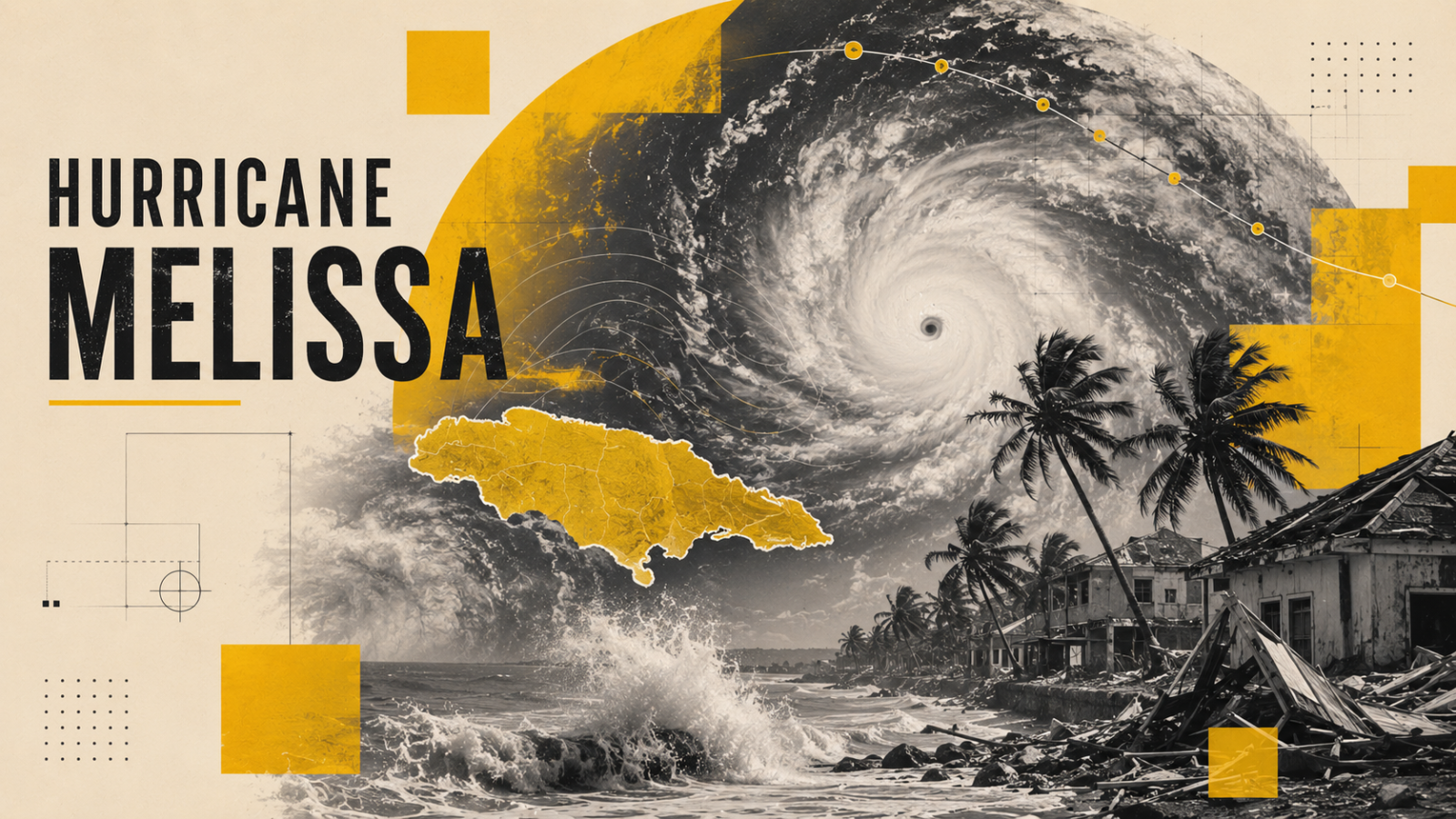
KINGSTON, Jamaica — Two months after Hurricane Melissa struck western Jamaica, killing 58 people and inflicting an estimated $2.4 billion in economic damage, the island is enduring its most subdued Christmas season in years. In Negril, hotels are running at roughly 54 percent of capacity — up from 48 percent two weeks ago but well below the 85-to-90 percent occupancy the resort typically enjoys in late December. In Westmoreland and Hanover, thousands of families are spending the holiday in transitional housing on the sites where their homes once stood.
A Half-Full Resort Town
The Jamaica Tourist Board describes the 54-percent occupancy figure as evidence of resilience rather than failure, noting that comparable Caribbean destinations after Category 4 strikes have sometimes seen near-zero occupancy for an entire post-storm season. Industry analysts, however, calculate that the shortfall will cost the Negril hotel sector between US$40 million and US$55 million in lost December revenues. Some visitors who did travel report a destination in active reconstruction: cranes on the beachfront, work beginning before dawn, and stretches of the West End road still reduced to a single lane.
3,400 Families Without Permanent Homes
The Office of Disaster Preparedness and Emergency Management reported that approximately 3,400 households — roughly 12,000 individuals — remain without permanent housing. About 900 families are still in government-operated emergency shelters, now converted to transitional facilities. The remainder are living with relatives, in subsidised rental accommodation, or in temporary structures erected on their original land parcels. Community workers describe a Christmas marked by the absence of familiar possessions: furniture, photographs, and decorations lost on the night of October 26.
Emergency Social Package
Timed to the holiday period, the government announced a J$1.2 billion emergency social assistance package for Melissa survivors. It includes one-time cash grants of J$50,000 per displaced household, supplementary food vouchers valid through January 31, and an extension of the reconstruction loan programme. The Ministry of Finance said funds would be drawn from the contingency reserve and offset by a tranche of the World Bank’s $150 million catastrophe facility activated after the storm. Opposition legislators criticised the grants as insufficient, while the government noted that the reconstruction loan scheme — with more than 2,200 approvals totalling J$4.8 billion — is the primary housing-restoration vehicle.
ECLAC Confirms $2.4 Billion Damage
The Economic Commission for Latin America and the Caribbean published its final Melissa damage assessment this week, confirming US$2.4 billion in total economic impact. Agriculture accounted for US$310 million; housing US$680 million; and tourism infrastructure US$520 million, with the remainder spanning transportation, utilities, and public services. ECLAC noted that Jamaica’s damage as a share of GDP — approximately 14 percent — ranks Melissa among the most economically destructive Caribbean storms of the past decade. The report will underpin Jamaica’s formal presentation to international creditors in January as the government seeks to convert donor pledges into committed financing.
Building Code Bill Moves to Committee
The Coastal Development Regulation Reform Bill passed its first parliamentary reading and advanced to a joint select committee this week. Opposition members accused the government of using Melissa as cover to push pre-existing deregulation proposals; ministers countered that the bill’s core provisions — mandatory 50-metre coastal setbacks, strengthened wind-load standards, and a new permit compliance audit system — were direct responses to the Building Code Commission‘s finding that 62 percent of structures that failed during Melissa had permit violations. The committee will hear from engineers, community groups, and hotel industry representatives in January before reporting back to Parliament.
Reefs Surveyed for the First Time
Marine biologists working with the National Environment and Planning Agency completed this week the first systematic underwater survey of Melissa’s impact on Negril’s coral reefs. Preliminary findings describe significant sedimentation damage along the northern reef tract and bleaching stress compounded by warm sea-surface temperatures. The reefs are a primary draw for the snorkelling and diving visitors who represent a disproportionately high share of Negril’s tourist spending. Restoration ecologists caution that coral recovery from a major storm typically unfolds over five to ten years — one indicator, among many, of how long Melissa’s shadow will stretch over Jamaica’s most celebrated resort destination.
Follow Jamaica Homes on Youtube @jamaicahomes and Instagram @jamaica_homes and on Facebook @jamaicahomesnews Send us a message or email us at onlinefeedback@jamaica-homes.com or editor@jamaica-homes.com
Support independent Jamaican journalism.
- 1Our journalists cover housing, politics and community — stories that directly affect Jamaican lives.
- 2We have no billionaire owner and no advertisers calling the shots. Every story is decided by our editors.
- 3It costs less than a cup of coffee a week, and takes less time to subscribe than it took to read this article.
Support Jamaica Homes News today.
- Save 17% compared to monthly
- All articles unlocked
- Weekly newsletter
- Priority support
By subscribing you agree to our Privacy Policy and Terms.

Visit our YouTube Community ↗