

Kingston, Jamaica — 1 December 2021
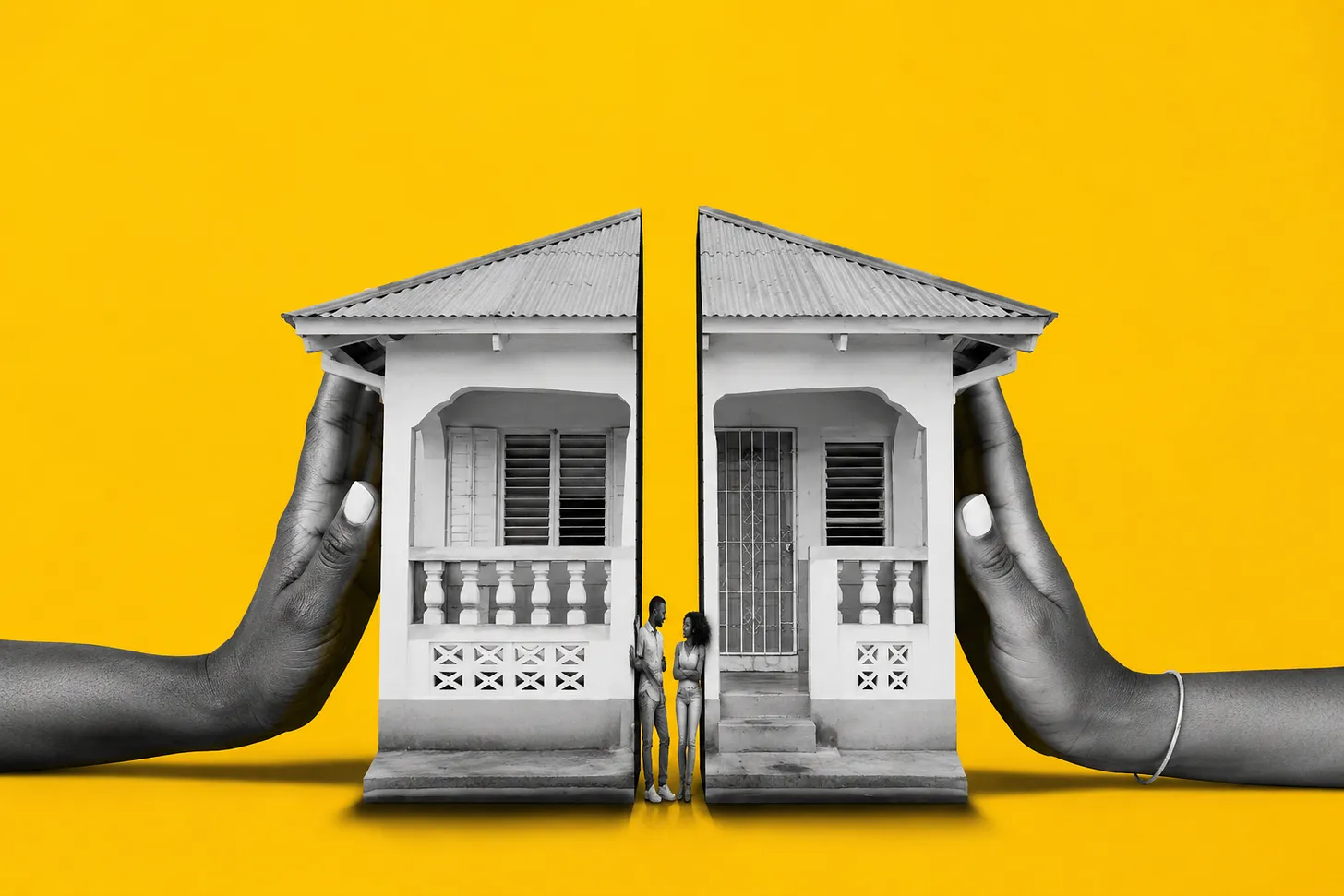
Approximately twenty per cent of Jamaica’s population lives in a squatter settlement, according to preliminary findings from the National Squatter Survey conducted between 2019 and 2021. That figure, which represents several hundred thousand Jamaicans across every parish, has been increasing. The 2008 Rapid Assessment of Squatting identified around seven hundred and fifty informal settlements islandwide. The scale of what that means for housing tenure security, for access to services and infrastructure, and for Jamaica’s development trajectory is difficult to overstate, and the country has not yet found a policy response that has meaningfully arrested it.
The History of the Problem
Jamaica’s informal settlement history stretches back to emancipation, when no land provisions were made for those freed from slavery and informal occupation of available land became a practical survival strategy. That history casts a long shadow. The legitimacy many Jamaicans feel in occupying land they have improved and lived on for years or generations coexists uneasily with a formal legal system that does not recognise occupation without title. Policy responses over the decades, from the slum clearance programmes of the 1960s through Operation PRIDE in the 1990s and the regularisation work that continues today, have been partial responses to a challenge that successive administrations have found easier to acknowledge than to resolve.
The surge in squatting that reached a visible crisis point in 1994, when protests accompanied an eviction in Flanker, Montego Bay, reflected both the scale of the shortage and the volatility that unresolved tenure security creates. Today, Kingston and St Andrew have the highest concentration of informal settlements by number, though more than sixty per cent of all squatter settlements are in rural parishes, a distribution that reflects the breadth of the problem across the island’s geography.
What Tenure Insecurity Costs
The consequences of living without registered title extend well beyond the legal. Without title, a household cannot obtain a standard mortgage for home improvement. Without the ability to mortgage, investment in maintaining and improving the property is constrained to whatever cash the household can generate directly. Without a registered address in the formal system, access to some government services and financial products is complicated. And without the legal certainty of ownership, the transfer of property to children and grandchildren is vulnerable to disputes, competing claims, and the kind of family conflict over land that has been a feature of Jamaican community life for generations.
The Policy Challenge Ahead
The government has committed to addressing the informal tenure problem through a combination of regularisation, land titling, and the development of a National Housing Policy that would, for the first time, give Jamaica a comprehensive framework for governing the sector. The HAJ’s titling work, which has now delivered thousands of titles through the PRIDE regularisation programme and other initiatives, represents progress that is real but slow relative to the scale of the challenge. The political and policy challenge, and it is genuinely difficult, is to move fast enough on regularisation that the stock of unresolved tenure keeps pace with or reduces faster than the rate at which new informal occupation is occurring. That has not yet happened. Whether it can is the defining test of Jamaica’s housing policy capacity in this generation.
Follow Jamaica Homes on Youtube @jamaicahomes and Instagram @jamaica_homes and on Facebook @jamaicahomesnews Send us a message or email us at onlinefeedback@jamaica-homes.com or editor@jamaica-homes.com
Support independent Jamaican journalism.
- 1Our journalists cover housing, politics and community — stories that directly affect Jamaican lives.
- 2We have no billionaire owner and no advertisers calling the shots. Every story is decided by our editors.
- 3It costs less than a cup of coffee a week, and takes less time to subscribe than it took to read this article.
Support Jamaica Homes News today.
- Save 17% compared to monthly
- All articles unlocked
- Weekly newsletter
- Priority support
By subscribing you agree to our Privacy Policy and Terms.

Visit our YouTube Community ↗