

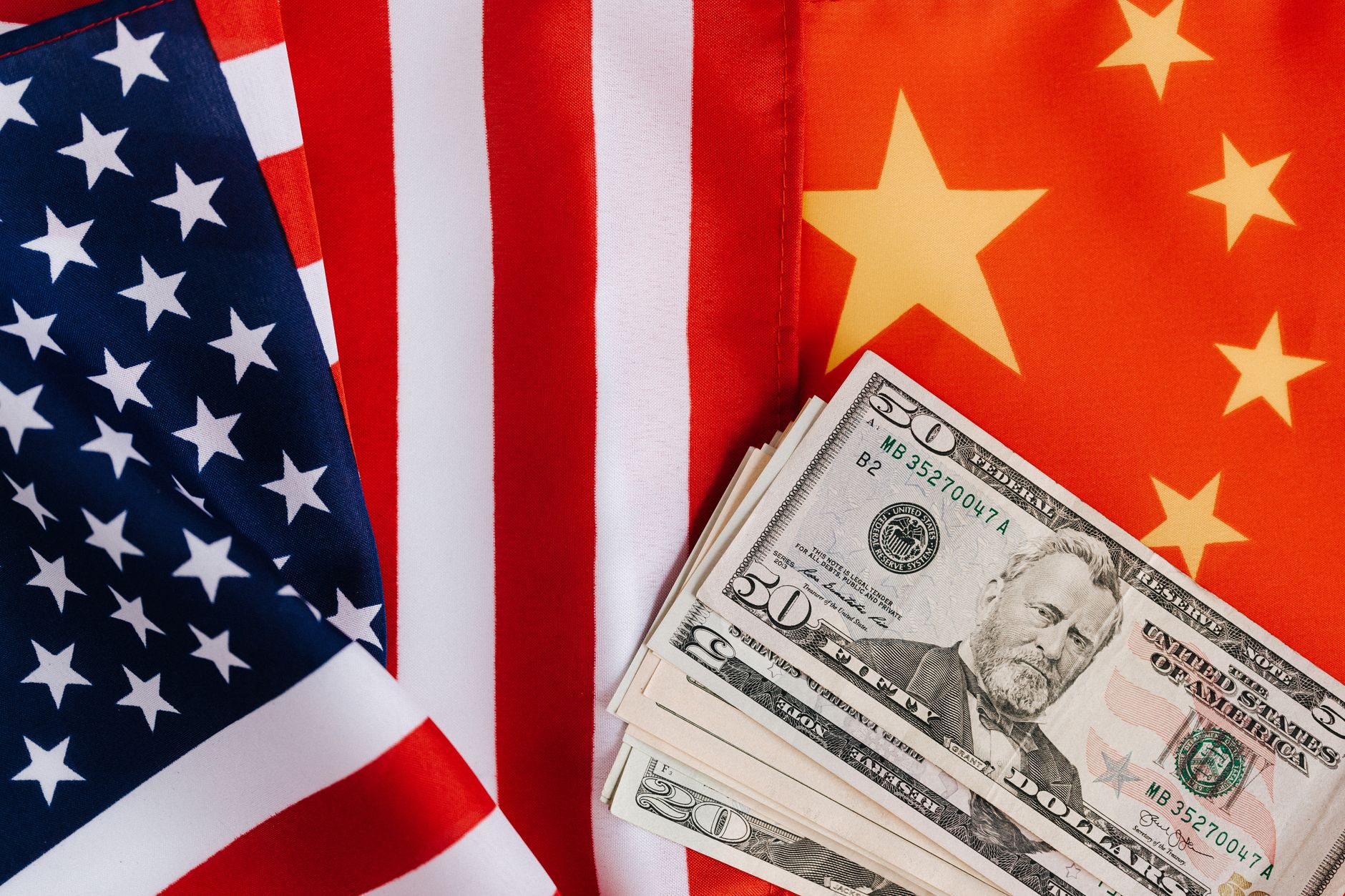
Kingston, Jamaica, 30 June 2026 — Jamaica has found itself, again, caught between two great powers competing for influence in its backyard. China’s embassy in Kingston has publicly rebuffed comments from the United States ambassador-nominee, who told a Senate committee she intends to counter Beijing’s growing footprint on the island. Behind the diplomatic sparring sits a genuinely practical question for Jamaican property and infrastructure, what happens to investment flows when two competing patrons are both actively courting the same small market.
China’s embassy says Chinese companies have invested more than US$2.1 billion in Jamaica, creating over 40,000 direct jobs, with more than 80 per cent of that workforce drawn locally. It points to bilateral trade exceeding US$1.4 billion in 2025 and to high-profile, China-funded projects including the Western Children’s Hospital and the North-South Highway. The US nominee, for her part, has emphasised bilateral trade in goods exceeding US$3 billion and highlighted America’s role as a security and disaster-response partner, citing the scale of US assistance after Hurricane Melissa.
Competition can be useful, within limits
For a small, capital-hungry economy, having two major powers actively competing for influence and goodwill is not, in itself, a bad position to be in. Competition between patrons has historically tended to produce more favourable financing terms, more infrastructure commitments and more diplomatic attention than a single dominant relationship typically delivers. Jamaica’s North-South Highway and Western Children’s Hospital exist in significant part because of that dynamic, and American disaster assistance after Hurricane Melissa flowed at a scale shaped by similar strategic considerations.
The risk sits in what happens if competition tips into open confrontation conducted on Jamaican soil. Infrastructure and property development thrive on predictability, on investors and developers being able to plan multi-year projects without worrying that a shift in geopolitical alignment could disrupt financing, supply chains or regulatory relationships built around one power or the other.
What it means for land, ports and construction
Both China and the United States have concrete, physical footprints in Jamaica’s built environment, from highways and hospitals to port infrastructure and telecommunications networks. As scrutiny intensifies around Chinese involvement in port infrastructure specifically, a concern raised explicitly during the US nominee’s confirmation hearing, that scrutiny could eventually translate into more friction around future Chinese-backed infrastructure proposals, even as existing projects continue largely unaffected.
For Jamaican developers and property investors, the practical takeaway is less about taking sides and more about understanding the increasingly geopolitical dimension attached to certain categories of large infrastructure financing. A port expansion or major highway project backed by either power now arrives with a layer of strategic scrutiny that purely commercial Jamaican or diaspora-funded developments simply do not carry.
Jamaica’s actual leverage
What gets lost in the rhetorical exchanges between Washington and Beijing is that Jamaica retains genuine agency in how it manages this relationship, choosing projects on their individual merits, diversifying financing sources, and resisting pressure to frame every infrastructure decision as a binary geopolitical choice. The Government’s own posture, continuing to engage both powers on separate, parallel tracks rather than publicly picking a side, reflects a pragmatic recognition that small states generally fare best by maximising optionality rather than exclusivity.
The steady read
For now, this remains primarily a war of words rather than a material shift in investment conditions. But it is worth watching closely, because the property and infrastructure sectors are precisely where great-power competition tends to show up first and most concretely, in which contractor wins a port tender, which highway gets financed, and on what terms. Jamaica’s task is to keep extracting the genuine benefits of that competition without becoming a proxy battleground for it.
Follow Jamaica Homes on Youtube @jamaicahomes and Instagram @jamaica_homes and on Facebook @jamaicahomes Send us a message or email us at onlinefeedback@jamaica-homes.com or editor@jamaica-homes.com
Support independent Jamaican journalism.
- 1Our journalists cover housing, politics and community — stories that directly affect Jamaican lives.
- 2We have no billionaire owner and no advertisers calling the shots. Every story is decided by our editors.
- 3It costs less than a cup of coffee a week, and takes less time to subscribe than it took to read this article.
Support Jamaica Homes News today.
- Save 17% compared to monthly
- All articles unlocked
- Weekly newsletter
- Priority support
By subscribing you agree to our Privacy Policy and Terms.

1 Comment
Pingback: Jamaica’s Quiet Advantage in the US-China Rivalry – The Voice of Jamaica