

Kingston, Jamaica — 1 September 2008
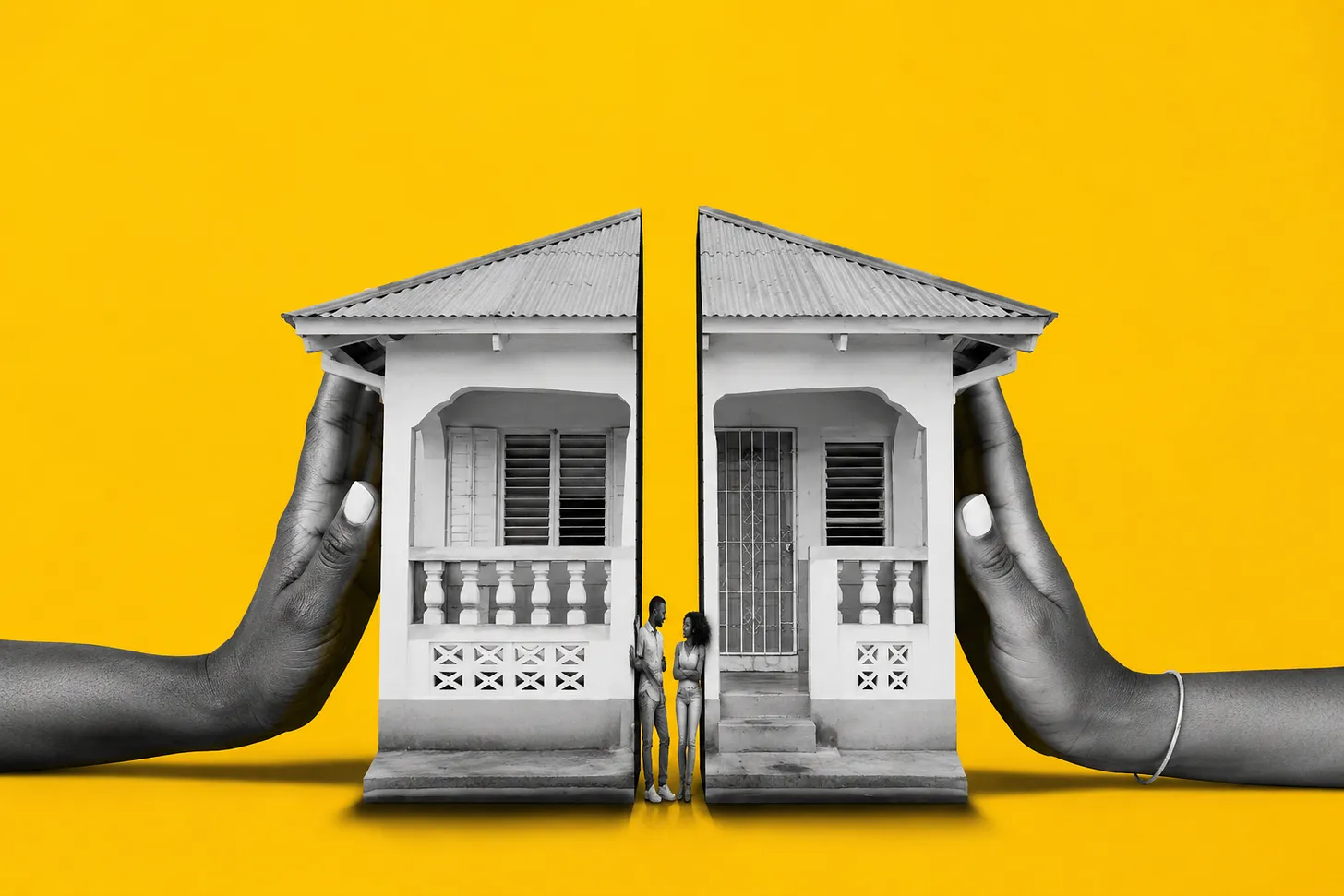
The National Housing Development Corporation, which has operated as the government’s principal housing development agency since its incorporation in 1998 through the merger of several predecessor bodies including Operation PRIDE, is being wound up and replaced by a new entity: the Housing Agency of Jamaica Limited. The change, effective this month, reflects a decision by the administration to restructure the state’s approach to housing development under a renamed and repositioned body with a cleaner mandate and a fresh start following years of budget overruns, delayed projects, and a reputation damaged by the failures of programmes that promised more than they delivered.
The Legacy of Operation PRIDE
Operation PRIDE, the Programme for Resettlement and Integrated Development Enterprise, was launched in 1994 as an ambitious response to the proliferation of informal settlements across Jamaica. Its core logic was sound: make land accessible and affordable to those without tenure, formalise occupation through subsidised land acquisition, and build community infrastructure to transform squatter settlements into functioning formal communities. At its best, PRIDE created homeowners from squatters and brought dignity and legal security to communities that had long been treated as problems to be managed rather than people to be served.
The programme’s execution fell far short of its ambitions. Billions of dollars were lost to budget overruns. Timelines repeatedly slipped. Community expectations were raised and then disappointed. The selection process for participating communities attracted accusations of political bias. And the administrative demands placed on low-income communities, which were required to form legal entities, maintain infrastructure funds, and navigate complex bureaucratic requirements, proved beyond the capacity of many of those most in need of what PRIDE was meant to provide.
What the HAJ Must Do Differently
The Housing Agency of Jamaica inherits a substantial legacy: around one hundred PRIDE sites islandwide that remain at various stages of regularisation, thousands of families still waiting for the titles they were promised, and an organisation whose credibility with some of the communities it is meant to serve has been eroded by years of unmet commitments. Getting these sites to completion, delivering titles to those who paid for them, and completing the infrastructure works that make formal communities function are not optional tasks for the new agency. They are its primary obligation and the basis on which its performance should first be judged.
Beyond the legacy work, the HAJ’s mandate to develop new housing for low and middle-income Jamaicans through greenfield projects and joint ventures with private developers represents the forward-looking dimension of its role. The global financial crisis, whose effects are already beginning to be felt in Jamaica’s development sector, will test the new agency’s ability to maintain a pipeline of affordable housing starts in an environment where credit is tightening and construction costs are rising. Whether the restructuring produces genuinely different outcomes, or simply gives an unchanged set of challenges a fresh name, will depend on how the new body is resourced, led, and held accountable.
The Unfinished Business of Informal Tenure
The 2008 Rapid Assessment of Squatting in Jamaica identified approximately seven hundred and fifty informal settlements islandwide. A significant share of Jamaica’s population lives in communities without formal tenure, without registered titles, and without the legal security that ownership brings. That is not a marginal problem. It is a structural one. The Housing Agency of Jamaica, whatever its name, cannot address Jamaica’s housing deficit alone. But its handling of the informal tenure challenge, the inheritance it carries from PRIDE and from decades of unresolved settlement policy, will have consequences for hundreds of thousands of Jamaicans whose relationship with the land they live on remains legally uncertain.
Follow Jamaica Homes on Youtube @jamaicahomes and Instagram @jamaica_homes and on Facebook @jamaicahomesnews Send us a message or email us at onlinefeedback@jamaica-homes.com or editor@jamaica-homes.com
Support independent Jamaican journalism.
- 1Our journalists cover housing, politics and community — stories that directly affect Jamaican lives.
- 2We have no billionaire owner and no advertisers calling the shots. Every story is decided by our editors.
- 3It costs less than a cup of coffee a week, and takes less time to subscribe than it took to read this article.
Support Jamaica Homes News today.
- Save 17% compared to monthly
- All articles unlocked
- Weekly newsletter
- Priority support
By subscribing you agree to our Privacy Policy and Terms.

Visit our YouTube Community ↗