


Kingston, Jamaica, 30 June 2026 — An islandwide blackout on June 5, triggered by a cascading grid failure following intense lightning activity, knocked out power to all of Jamaica Public Service’s roughly 700,000 customers and reignited a national conversation about nuclear power as part of the country’s long-term energy strategy. Whatever conclusion that debate eventually reaches, the blackout itself carries a more immediate, practical lesson for Jamaican property owners about the value of resilient design at the household and development level.
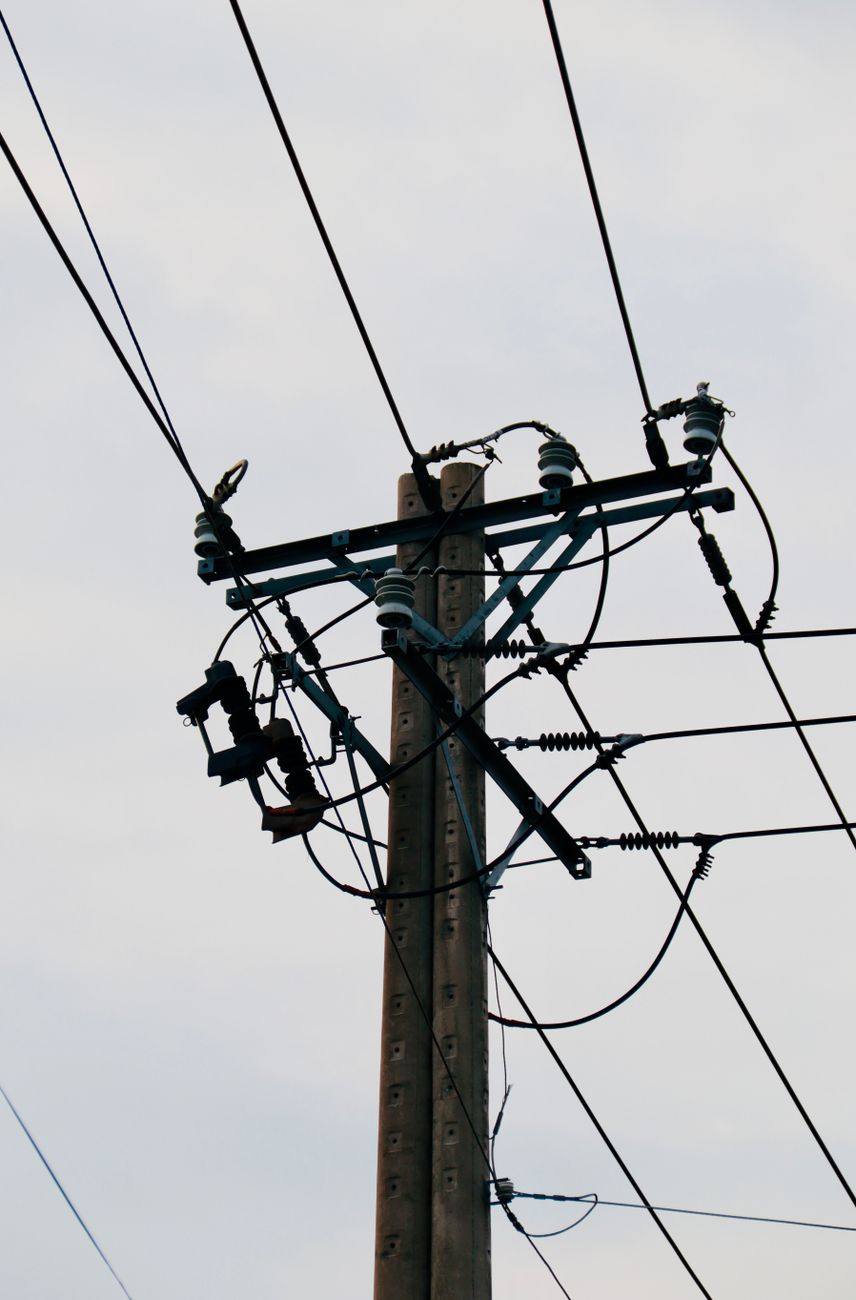
JPS confirmed the outage began around 9pm and stemmed from the loss of five transmission lines from a major substation in the corporate area, which set off an unforeseen cascading effect across the entire grid. Power was substantially restored within hours, though full restoration took longer in some areas. Both the Prime Minister and the energy minister publicly called the failure unacceptable and demanded a full investigation, while energy analysts and engineers used the moment to question whether nuclear power, including small modular reactors, makes sense for an island whose grid has just demonstrated significant systemic vulnerability.
The nuclear question is a long-term one
Engineering commentary following the blackout has been notably sceptical of nuclear power as a near-term solution, pointing out that reactors require exceptionally stable, reliable grid environments to operate safely and efficiently, precisely the kind of stability June 5 demonstrated Jamaica’s grid does not yet consistently have. That is a legitimate, technically grounded caution, and it suggests any serious move toward nuclear power, if it happens at all, sits many years and substantial grid-modernisation investment away.
The nearer-term lesson for property
While the generation-mix debate plays out over years, the blackout’s more immediate relevance to property sits closer to home, literally. A single-source, centralised electricity provider, as JPS effectively is, concentrates risk in a way that an increasing number of Jamaican households and businesses are already hedging against through solar installations, battery storage and backup generation. The June 5 event, an unusual, non-weather-related total grid failure rather than the more familiar hurricane-triggered outage, is a reminder that resilience planning for Jamaican property needs to account for grid failure as a standalone risk category, separate from storm preparedness.
For new construction and major renovations, that argues for treating backup power capacity, whether through solar and battery systems or traditional generators, as a standard design consideration rather than an optional upgrade, particularly for properties housing medical equipment, refrigerated goods or any business that cannot tolerate unplanned downtime. For the related cost pressures affecting new construction from global trade policy, see Trade Wars, Tariffs, and the Cost of Building in Jamaica.
What developers and buyers should actually weigh
Properties with existing solar and battery infrastructure demonstrated their value clearly on June 5, continuing to function while neighbours sat in the dark. As that kind of self-sufficiency becomes more visible and more sought after, it is reasonable to expect it will increasingly factor into how Jamaican buyers and renters evaluate properties, not merely as an environmental or cost-saving feature but as a genuine resilience asset with a clear, recently demonstrated value proposition. For property owners facing the parallel challenge of insurance affordability after Hurricane Melissa, the structural problem runs even deeper — the case is examined in Jamaica’s Insurance Trust Crisis Is Becoming a Property Market Problem.
A grid that needs investment, regardless of the generation debate
Whatever Jamaica eventually decides about nuclear power, the more pressing and less contested priority is transmission and distribution resilience, the protection systems, automation and operational governance that engineers have identified as the actual point of failure on June 5. Strengthening that underlying grid infrastructure would benefit every Jamaican property owner regardless of how the generation-mix debate ultimately resolves, and deserves to be treated as the more urgent half of the conversation.

1 Comment
Backup power is becoming another dividing line between households that can absorb infrastructure failures and those that cannot. Reliable electricity should not become a luxury feature available only to higher-priced developments.
Visit our YouTube Community ↗