

Kingston, Jamaica, 10 November 2025
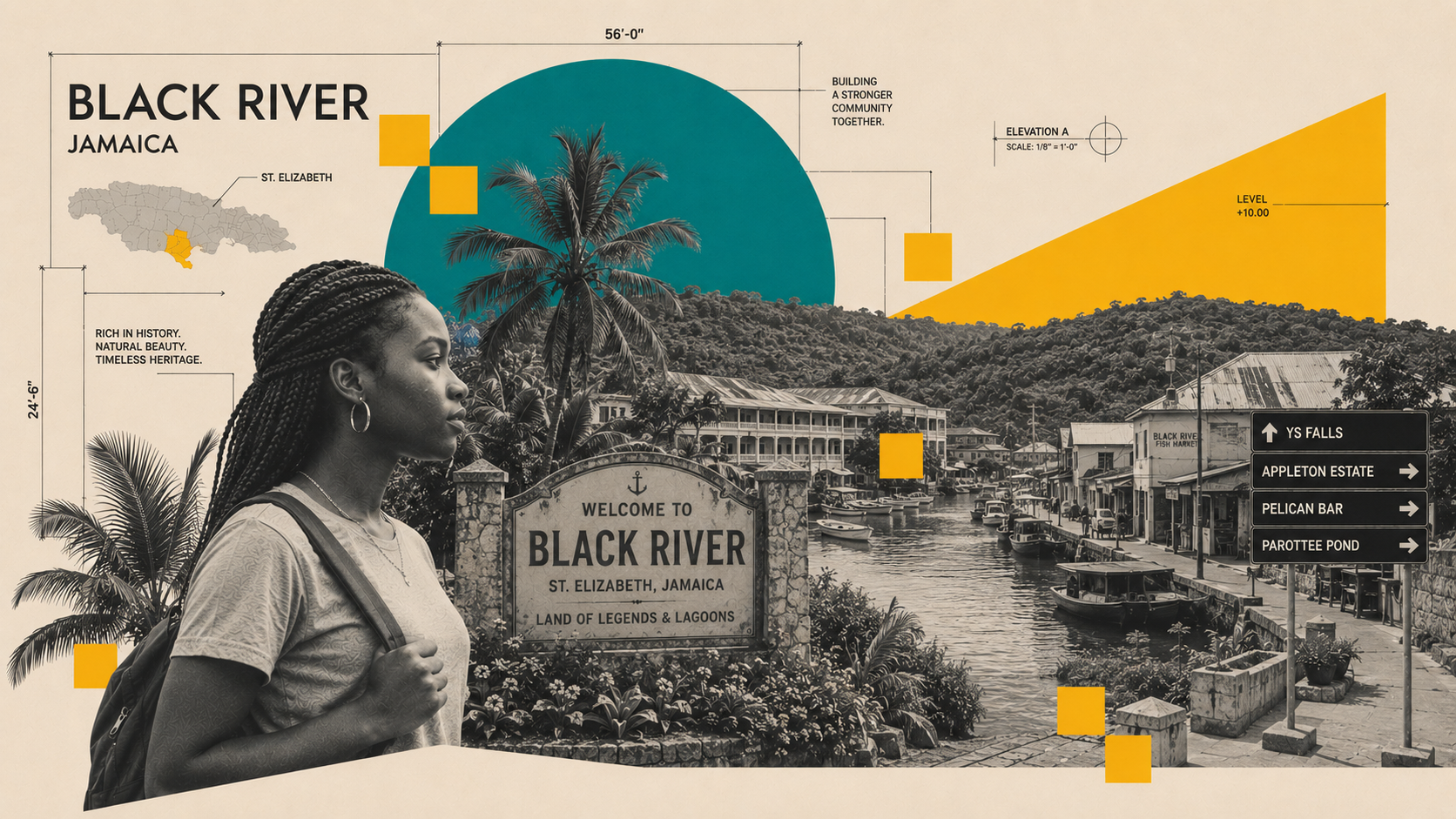
Two weeks after Hurricane Melissa made landfall, one of the most painful dimensions of the destruction in Black River is coming into focus. The Category 5 storm did not merely damage the town. It removed the physical fabric of a heritage district that the Jamaica National Heritage Trust had designated as one of Jamaica’s five historic districts, and that had survived more than two centuries of Caribbean weather events before meeting its end on 28 October 2025. The loss is irreversible in the most literal sense: the buildings are gone, and what they represented cannot be reproduced.
The Jamaica National Heritage Trust’s designation of Black River as a historic district had been the formal recognition of what residents, historians and heritage advocates had long known: that this small south coast town contained an exceptional concentration of 18th and 19th century architecture, much of it connected to the logwood trade that defined St Elizabeth’s economy in the latter part of the Victorian era. Buildings made of wood and stone, some more than 200 years old, lined the coastline and the riverbank. Churches, guesthouses, commercial premises and civic buildings told the story of a town that had been Jamaica’s most technologically advanced in the 1880s and 1890s, the first to receive electricity, telephone service and piped water.
What Was Lost
The 188-year-old brick-built St John’s Anglican Parish Church, also known as the St Elizabeth Parish Church, was a defining landmark of High Street. The storm surge and wind loading that Melissa delivered were beyond anything the structure had been designed to withstand, and only the bell tower was left standing. Waterloo House, the first private residence in Jamaica to receive electricity in 1893, was gone. Magdala House, the Invercauld Hotel, the Waterloo Guest House, the Black River Courthouse and the St Elizabeth Parish Library all sustained severe damage. The market, modern by comparison but still a central hub of community life, was crumpled and discarded, in the words of one observer, like tossed-aside paper.
The architectural historian who visited Black River just four days before Hurricane Beryl in June 2024, finding the historic buildings still intact despite their visible neglect, captured the painful irony of the situation. Jamaica had spent decades discussing the preservation and commercial development of Black River’s heritage streetscape, commissioning studies, making designations and discussing tourism strategies, but the investment and enforcement that would have converted that talk into physical protection never materialised at the scale required. The buildings held on through years of neglect, surviving Beryl’s outer bands in June 2024. They did not survive Melissa.
Heritage as Property Value
The loss of Black River’s built heritage is not only a cultural and historical tragedy. It has direct implications for the town’s long-term property and tourism market. Heritage districts command premiums in real estate markets across the Caribbean, precisely because the combination of historic character, walkable streetscapes and distinctive identity cannot be replicated by new development. Black River had that combination in potential. Its failure to capitalise on it before Melissa is a lesson in what Jamaica loses when heritage protection is left to aspiration rather than investment.
The heritage tour guide who has been leading visitors through Black River’s history since 2011, and who has continued those tours in Melissa’s aftermath, offers a perspective that holds genuine value for the town’s future. Her view, that the history has not spoiled and that Hurricane Melissa has added another layer to it, is both generous and strategically sound. A rebuilt Black River that incorporates the story of what was lost, that treats Melissa’s impact as part of the town’s narrative rather than its conclusion, and that protects whatever physical elements survived, will have a heritage proposition that is, paradoxically, more powerful than it was before the storm. But building that future requires the country to learn, this time, the lesson it failed to act on before the hurricane came.
Follow Jamaica Homes on Youtube @jamaicahomes and Instagram @jamaica_homes and on Facebook @jamaicahomesnews Send us a message or email us at onlinefeedback@jamaica-homes.com or editor@jamaica-homes.com
Support independent Jamaican journalism.
- 1Our journalists cover housing, politics and community — stories that directly affect Jamaican lives.
- 2We have no billionaire owner and no advertisers calling the shots. Every story is decided by our editors.
- 3It costs less than a cup of coffee a week, and takes less time to subscribe than it took to read this article.
Support Jamaica Homes News today.
- Save 17% compared to monthly
- All articles unlocked
- Weekly newsletter
- Priority support
By subscribing you agree to our Privacy Policy and Terms.

Visit our YouTube Community ↗