

Kingston, Jamaica — 27 June 2026
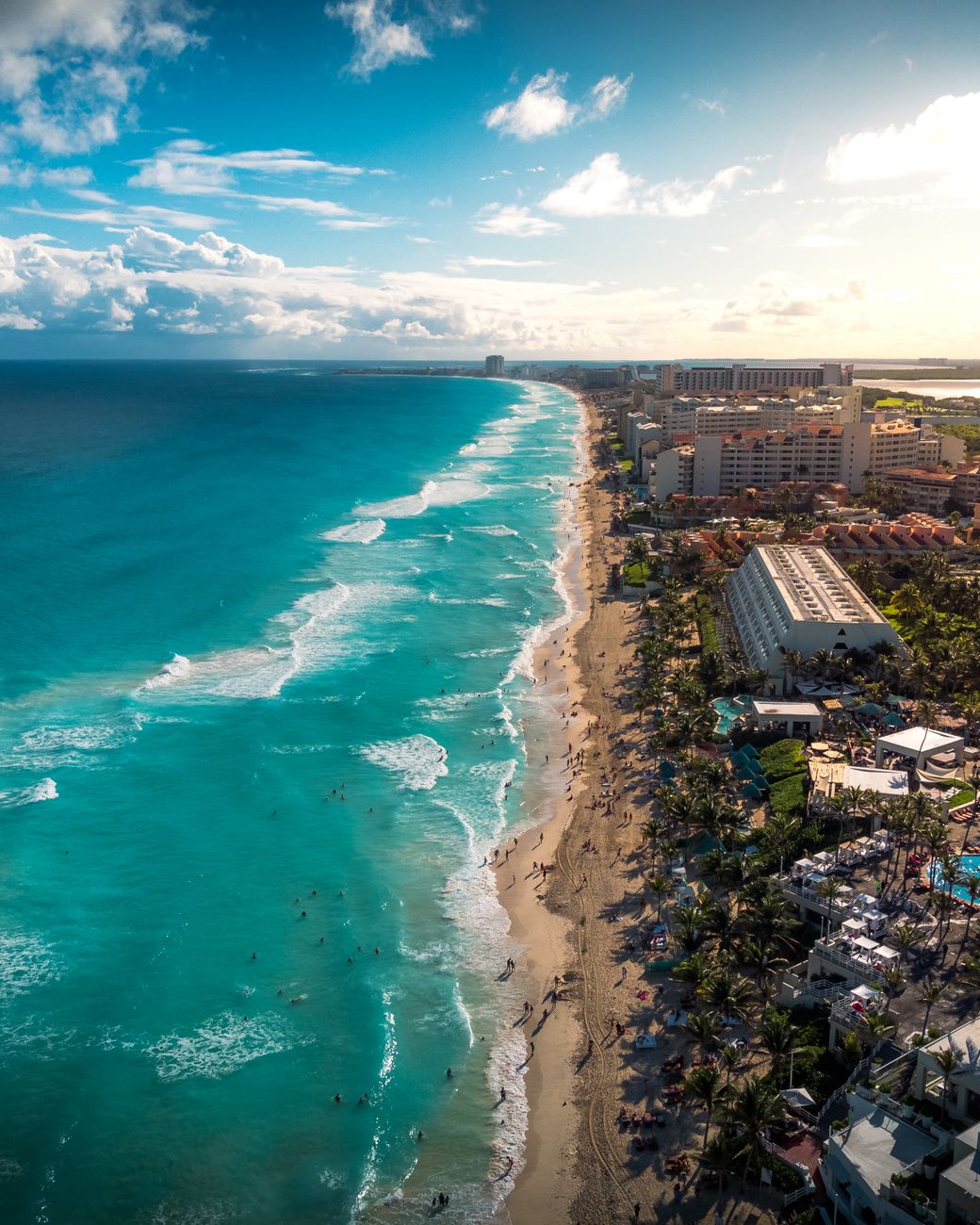
Caribbean hotels are recording some of their strongest performance numbers in years. In March 2026, occupancy across the region reached 79.6 per cent, up more than six percentage points compared to the same period in 2025. April followed at 73.9 per cent occupancy, itself a gain of 5.8 percentage points year over year. Average daily room rates are climbing alongside occupancy, with February 2026 showing a rate of 444 US dollars, up 7.2 per cent on the prior year. Revenue per available room rose to nearly 340 US dollars, a ten per cent increase. These are not marginal improvements. They signal a region operating with genuine momentum.
The Development Surge Behind the Numbers
A significant hotel construction cycle is running in parallel with these performance gains. In Turks and Caicos, the Andaz Grace Bay opened earlier this year marking Hyatt’s first Andaz-branded property in the Caribbean, alongside the Beaches Turks and Caicos Treasure Beach Village expansion adding more than 100 new rooms. In Barbados, the Royalton Vessence opened as an adults-only beachfront resort on the Platinum Coast. Curaçao is preparing for the Pyrmont, the first Marriott Autograph Collection resort on the island, expected to open in the third quarter of 2026. In Saint Lucia, Sapphire Sands Villas is under development on Roduit Beach. In Puerto Rico, a Four Seasons Resort and Residences is set to open within the year.
The pattern is consistent across destinations: branded luxury, wellness-oriented design, and the pairing of hotel rooms with branded residences. That last element is the one most directly relevant to housing markets. Branded residences are not hotel rooms. They are privately owned homes attached to resort operations, sold to buyers who want a managed asset that generates income when they are not using it. They occupy a category somewhere between investment property and lifestyle acquisition, and they are increasingly driving the most significant real estate transactions in Caribbean tourism destinations.
What This Means for Jamaica
Jamaica’s north coast participates in this trend but unevenly. The island has attracted international hotel brands and seen resort expansions in Montego Bay and Ocho Rios, but the branded residences segment remains less developed than in Turks and Caicos or Barbados. The tourism recovery and strong regional hotel performance create conditions in which that could change. Sustained occupancy above 75 per cent, combined with rising room rates, makes the financial case for new resort investment more compelling. Labour, land and planning remain the practical constraints. But the regional environment has rarely been more favourable for the conversation to begin in earnest.
Follow Jamaica Homes on Youtube @jamaicahomes and Instagram @jamaica_homes and on Facebook @jamaicahomesnews Send us a message or email us at onlinefeedback@jamaica-homes.com or editor@jamaica-homes.com
Support independent Jamaican journalism.
- 1Our journalists cover housing, politics and community — stories that directly affect Jamaican lives.
- 2We have no billionaire owner and no advertisers calling the shots. Every story is decided by our editors.
- 3It costs less than a cup of coffee a week, and takes less time to subscribe than it took to read this article.
Support Jamaica Homes News today.
- Save 17% compared to monthly
- All articles unlocked
- Weekly newsletter
- Priority support
By subscribing you agree to our Privacy Policy and Terms.

Visit our YouTube Community ↗