


Kingston, Jamaica, 28 June 2026
Eight months after Hurricane Melissa, the housing recovery effort in Jamaica is generating news on multiple fronts simultaneously, all of them converging on a central question: what standard of home is the country building, and for whom? Three separate developments in the past three weeks illustrate both the scale of progress and the scale of what remains unresolved.
In Parottee, the fishing community south-east of Black River that was largely erased by Melissa’s storm surge, fishermen and tour boat operators are refusing to accept the government’s relocation announcement. Three generations of fishing families have made clear publicly that they do not want to leave, that they were not consulted before the relocation decision was communicated, and that they cannot replicate their livelihoods away from the sea. The government’s position, stated clearly by the prime minister, is that the cost of reconstructing homes in Parottee would exceed the value of the structures being saved, and that the community’s long-term exposure to storm surge makes continued habitation there unsustainable. Both positions contain truth. Neither resolves the other.
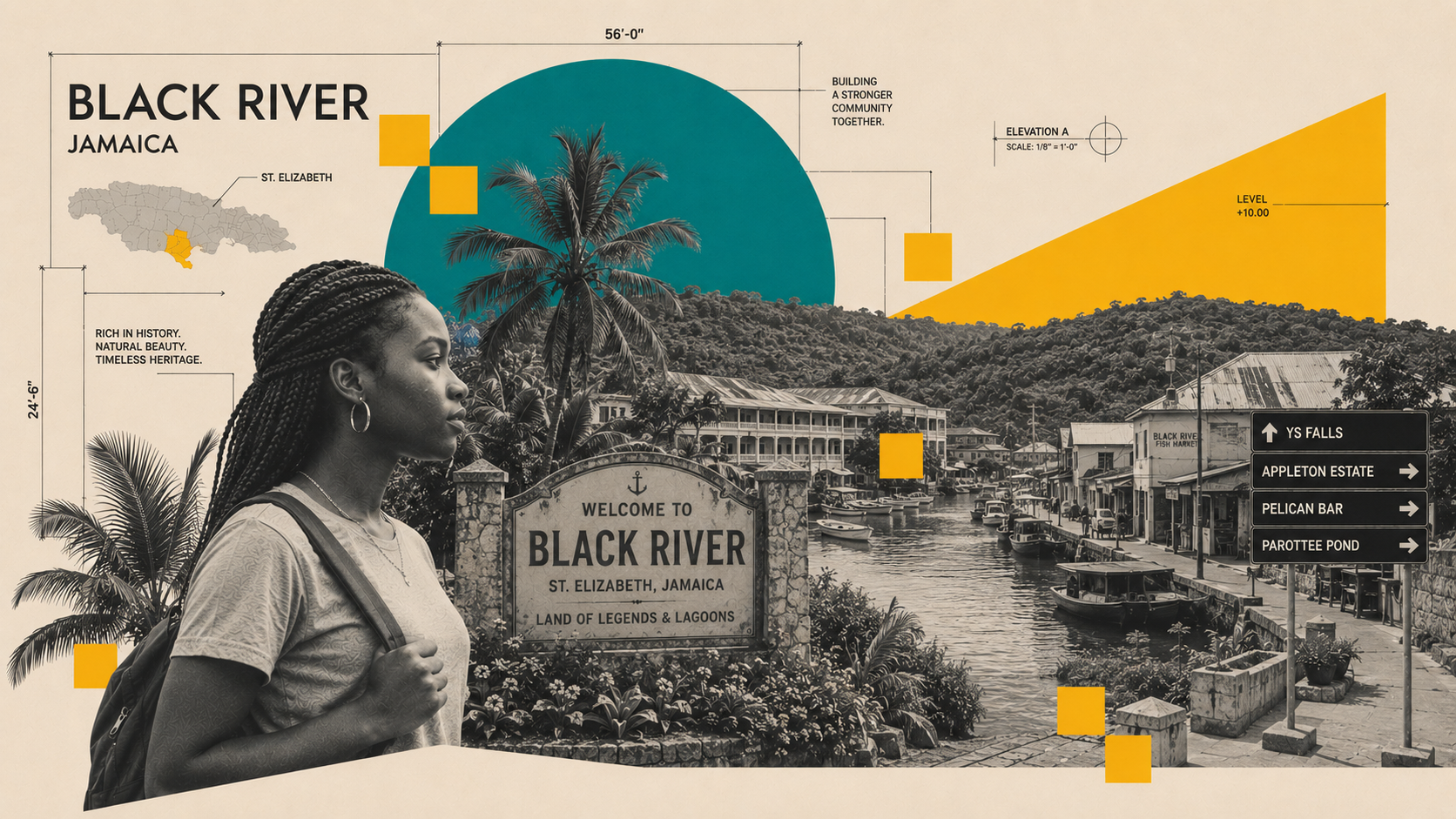
Parottee: Consultation That Did Not Happen
The Parottee fishermen’s grievance is not primarily about whether to stay or go. It is about how the decision was reached and communicated. The prime minister announced during the handover of NHT service lots in Malvern that Parottee had to be relocated, without any prior community consultation. Residents who depend on the sea for their entire income, whose identity as third-generation fishermen is inseparable from their location, and who rebuilt after Beryl without waiting for government assistance, learned about their community’s planned relocation through a news conference rather than a conversation. That sequence of events is not a foundation on which voluntary relocation can be built.
The property dimension is equally complex. Parottee residents who have land do not simply have a residence to vacate. They have family landholdings that represent generational wealth, community ties and, in some cases, assets whose formal or informal value has never been quantified. The government’s assurance that livelihoods will be preserved and no one will be left at a loss is meaningful as a commitment. It needs to be accompanied by a specific, transparent framework for how land in Parottee will be valued, what replacement arrangements will look like, and how fisherfolk will continue to access the sea and water corridors that their work requires.
Modular Homes: Evidence Becomes the New Standard
Simultaneously, the Bureau of Standards Jamaica has reported a tenfold increase in applications from modular home providers seeking certification since Hurricane Melissa, with the volume of assessments since October 2025 exceeding the total received in the previous 15 years combined. The surge reflects the explosion of market interest in modular construction following the NHT’s commitment to procure 5,000 units and the government’s broader push to use manufactured housing as the primary rapid-deployment housing solution.
The BSJ’s concern, and it is a legitimate one, is that market interest and product quality are not the same thing. Many providers making claims about the durability of their systems, including claims that units can withstand Category 5 conditions, lack the documented evidence to support those claims. The BSJ’s position is clear: evidence is the number one characteristic that matters, and units without independently verified performance data should not be deployed as long-term housing solutions in a country that has just experienced the most powerful storm in its recorded history. For families receiving modular units in St Elizabeth and elsewhere, the quality assurance that the BSJ is trying to provide is not a regulatory formality. It is the difference between a home and an extended emergency shelter.
Tourism Workers and the $2 Billion THARP
A third signal from the post-Melissa housing landscape comes from the Tourism Housing Assistance Recovery Programme, established in December 2025 and funded through the Tourism Enhancement Fund. Up to 1,500 tourism workers across St Elizabeth, Westmoreland, Hanover, St James and Trelawny have benefited from non-repayable $100,000 grants and building materials for home repairs. The programme was directed at permanent and contract tourism workers and self-employed individuals in the sector, prioritising the parishes most severely affected by the storm.
For Jamaica’s property sector, the THARP illustrates a principle that the broader post-Melissa recovery is still working out in practice: housing recovery is faster and more durable when it reaches the people who are economically active in the communities being rebuilt. Tourism workers whose homes are repaired return to work. They generate income. They spend in local businesses. They stabilise the social fabric that makes a community worth investing in. That chain of connection, from housing security to economic participation to community viability, is the recovery logic that every programme, whether modular homes, relocation assistance or tourism grants, needs to reinforce rather than disrupt.
Follow Jamaica Homes on Youtube @jamaicahomes and Instagram @jamaica_homes and on Facebook @jamaicahomesnews Send us a message or email us at onlinefeedback@jamaica-homes.com or editor@jamaica-homes.com

Visit our YouTube Community ↗