


Kingston, Jamaica — 27 June 2026
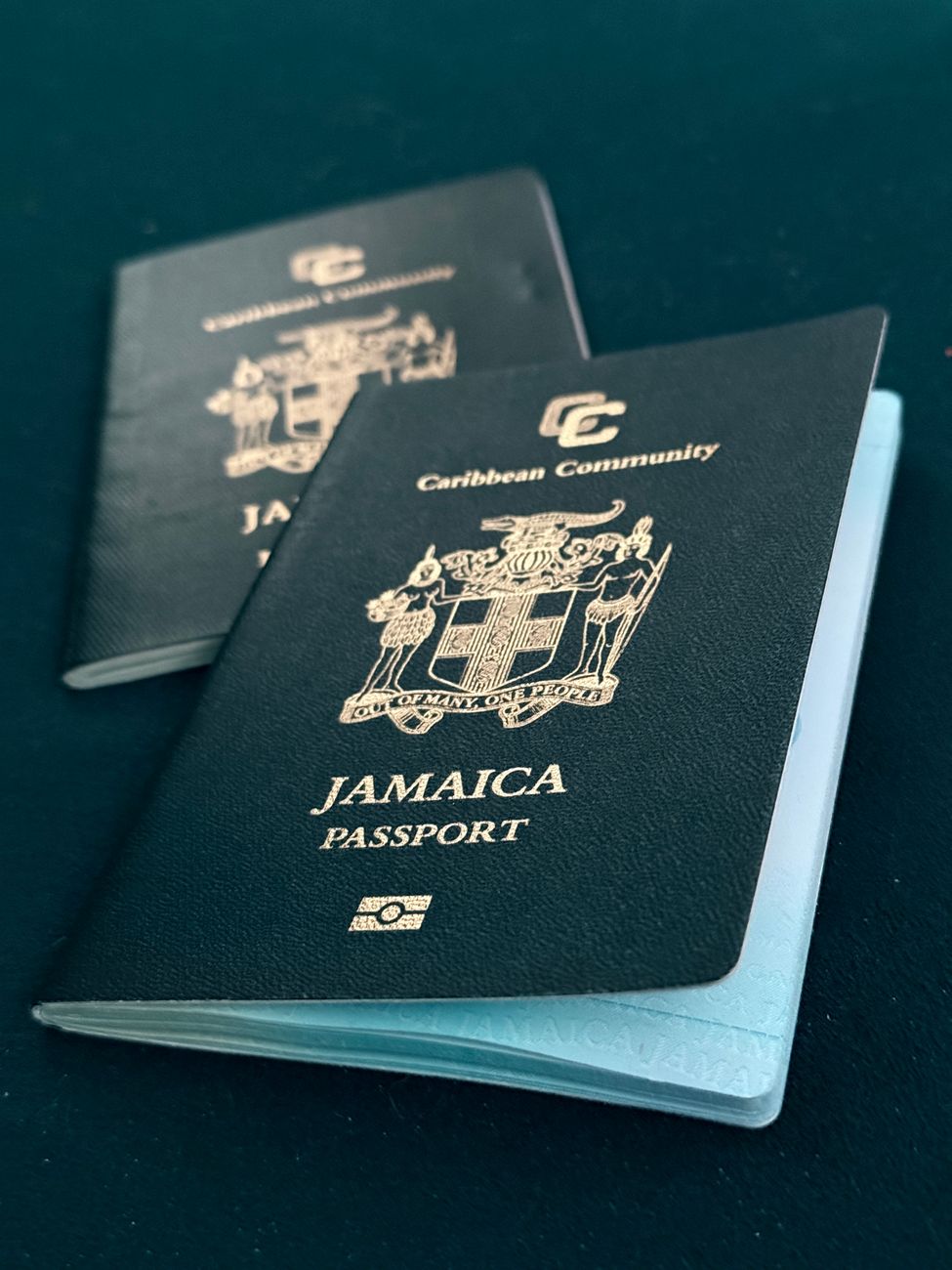
Eastern Caribbean governments are navigating a delicate recalibration of their citizenship by investment programmes in response to pressure from the European Union. A new mechanism introduced by the European Parliament last October allows the suspension of visa-free Schengen access for countries whose citizenship programmes are deemed insufficiently rigorous. In response, a unified regulatory body, the Eastern Caribbean Citizenship by Investment Regulatory Authority, has been established across five island nations to standardise due diligence, agent licensing, reporting and enforcement. All five countries currently retain visa-free Schengen access. But the regulatory tightening is real, and its implications for real estate are significant.
Why Real Estate Is at the Centre
Citizenship by investment programmes in the Eastern Caribbean are built around real estate. Approved property purchases, typically with minimum investments starting at 200,000 US dollars and resale restrictions of three years or more, are the primary vehicle through which applicants obtain residency and ultimately citizenship. The programmes have been the single most significant driver of premium property demand in Grenada, Dominica, Saint Kitts and Nevis, Antigua and Barbuda and Saint Lucia. Anything that changes the terms, thresholds or attractiveness of those programmes directly affects property values, development pipelines and investor behaviour in those markets.
The EU pressure has already produced two effects: strengthened due diligence requirements that make applications more demanding, and investment threshold increases that raise the minimum cost of entry. Both of those changes reduce the volume of applicants at the margins. For high-value buyers seeking genuine jurisdictional diversification, the tighter process may actually reinforce confidence in the programmes. For buyers seeking the most accessible route to a second passport, the calculus becomes less favourable.
The Jamaica Perspective
Jamaica does not have a citizenship by investment programme, which means it does not benefit from the consistent, policy-driven demand that these schemes generate for Eastern Caribbean property markets. It also means it is not exposed to the regulatory and reputational risks those programmes carry. The EU pressure on CBI nations is a reminder that policy-driven demand, while powerful, can also be withdrawn or constrained by external forces. Jamaica’s foreign buyer market, rooted instead in diaspora ties, lifestyle appeal and tourism investment, rests on a different and arguably more durable foundation. Its challenge is to develop and market that foundation more effectively, rather than seeking to replicate a model that comes with its own considerable regulatory complexity.
Follow Jamaica Homes on Youtube @jamaicahomes and Instagram @jamaica_homes and on Facebook @jamaicahomesnews Send us a message or email us at onlinefeedback@jamaica-homes.com or editor@jamaica-homes.com

2 Comments
Pingback: The EU Is Squeezing Caribbean Citizenship Programmes. What It Means for Property. – The Voice of Jamaica
Caribbean citizenship programmes can attract valuable investment, but their credibility depends on rigorous checks and visible public benefit. Stronger standards may reduce easy sales in the short term, yet they can protect the reputation and durability of the market. Property demand built on trust, transparency and genuine economic contribution is more valuable than demand sustained only by access to a passport.
Visit our YouTube Community ↗