


Kingston, Jamaica, 29 June 2026
Jamaica’s government is making a direct pitch to overseas Jamaicans: buy property at home, and in doing so help create space for the National Housing Trust to focus its resources on those who cannot compete in the private market. The argument carries a logic worth examining carefully.
The Case Being Made
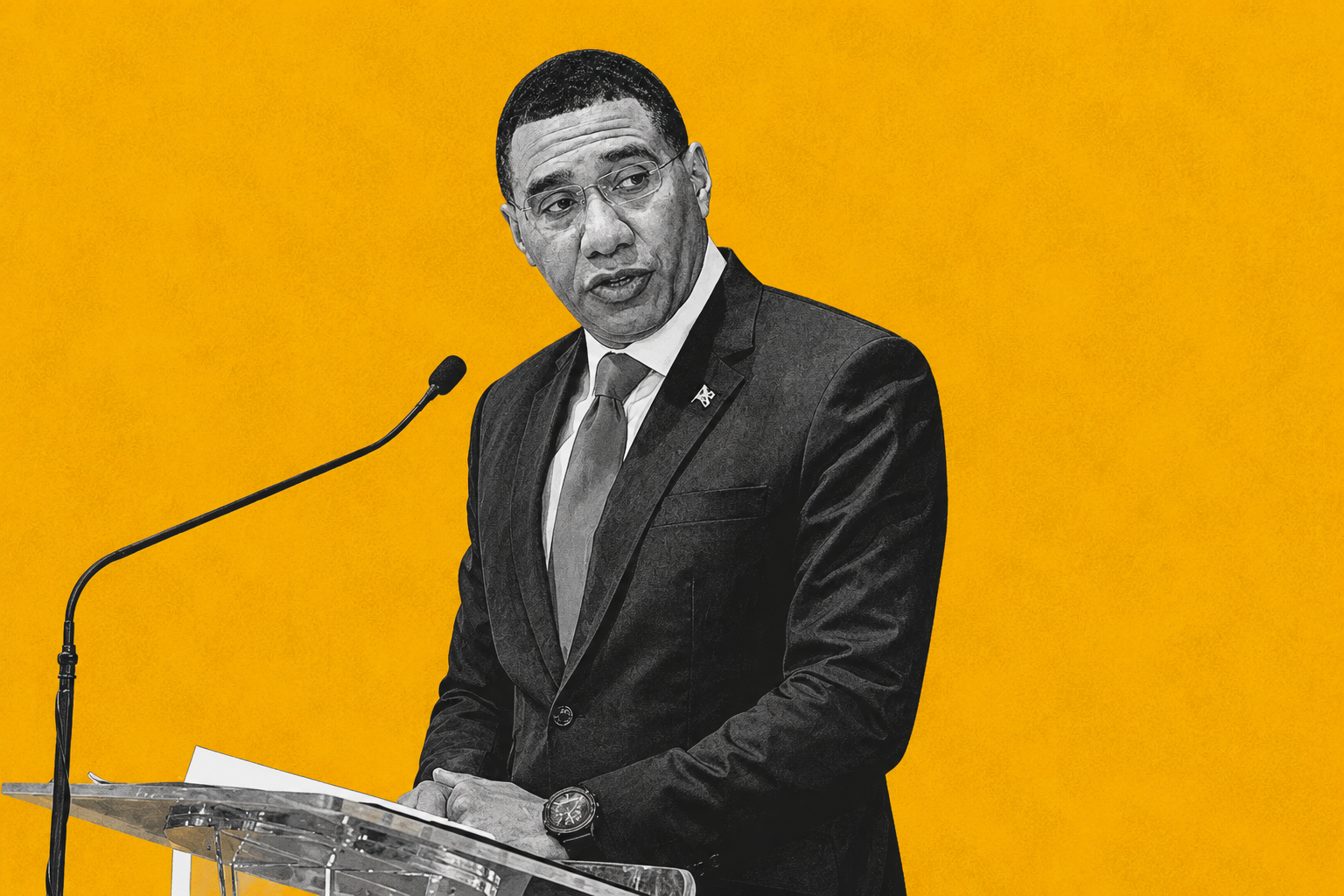
Speaking at the 11th Biennial Jamaica Diaspora Conference in Montego Bay, the Prime Minister argued that diaspora participation in the private real estate market serves a dual purpose. It drives economic activity and contributes to development, while simultaneously relieving pressure on state housing institutions to serve buyers who can access the private sector without support. The logic is that if diaspora buyers absorb supply in the mid-to-upper price bands of the private market, the NHT can concentrate its mortgage financing and housing delivery on lower-income Jamaicans who have no other route to homeownership.
Addressing the Trust Deficit
The Prime Minister did not avoid the issue that has long complicated diaspora investment in Jamaican property: mismanagement, fraud and the horror stories of remittances sent home for construction that never happened or delivered far less than promised. He acknowledged these experiences directly, describing them as real and damaging. His argument was that the growth and maturity of the private housing market now offers safer and more reliable investment options than were available to earlier generations of overseas buyers.
That is a claim worth taking seriously. The development of professional conveyancing practices, more regulated realty, digital verification tools and the formalisation of property agents and developers has changed what it means to purchase Jamaican property from abroad. Distance is still a risk factor, but it is less of a barrier than it once was.
What the Housing Market Needs from This
The government’s pitch to the diaspora is not simply encouragement. It is a resource allocation argument. If the private sector, energised by diaspora capital, can serve the upper and mid-market segments effectively, the NHT can refocus. Jamaica’s housing deficit remains above 150,000 units. The NHT cannot close that gap alone, and neither can the private sector without the purchasing power diaspora buyers bring. The two streams of activity, state-supported affordable housing and diaspora-driven private development, need to run in parallel rather than in competition. Whether that coordination happens in practice, or whether the diaspora’s property appetite simply inflates values in parishes already out of reach for most Jamaicans, remains the critical question the market will answer over the next several years.
Follow Jamaica Homes on Youtube @jamaicahomes and Instagram @jamaica_homes and on Facebook @jamaicahomesnews Send us a message or email us at onlinefeedback@jamaica-homes.com or editor@jamaica-homes.com

1 Comment
Pingback: PM to Diaspora: Buy a Home in Jamaica – The Voice of Jamaica
Visit our YouTube Community ↗