


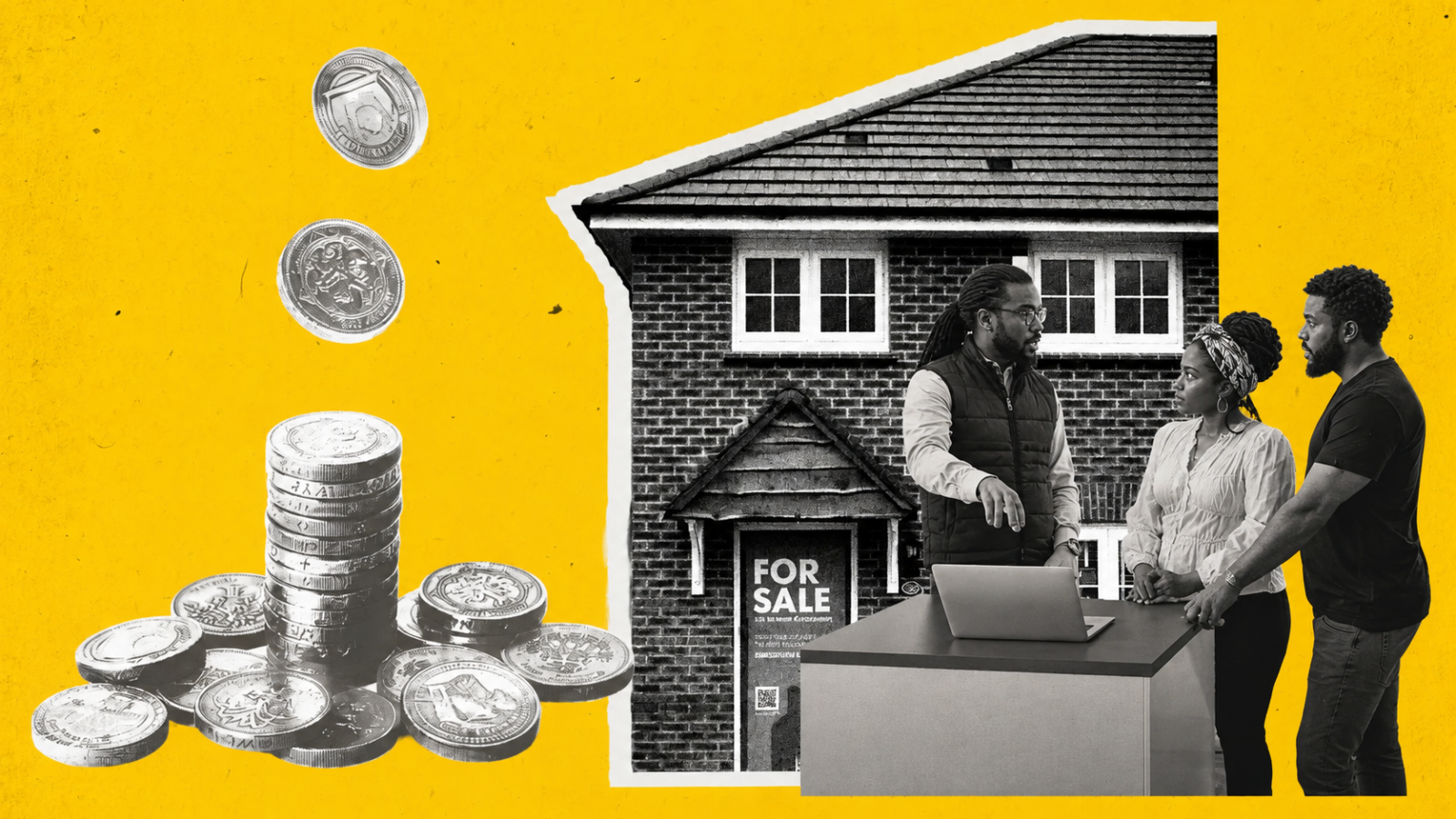
For many Jamaicans, the biggest number attached to buying a home is the one printed beside the property listing.
J$25 million. J$40 million. J$60 million.
That figure naturally dominates the conversation. Buyers calculate deposits, compare mortgage repayments and ask whether the bank will lend enough to close the gap. But the advertised price is only one part of the financial story.
The real cost of homeownership begins to reveal itself after legal fees, valuation reports, surveys, insurance, repairs, transportation, maintenance and, in some cases, substantial renovation work are added to the equation.
In a market where household finances are already being carefully managed and many communities are still rebuilding homes, savings and businesses, understanding those additional costs has become even more important.
Dean Jones, founder of Jamaica Homes and Realtor-Associate, says buyers should approach property ownership as a long-term financial commitment rather than a single purchase.
“A buyer should never ask only, ‘Can I afford to buy this house?’ The better question is, ‘Can I afford to own, maintain and live in this house comfortably for the next ten or twenty years?’ Those are two very different calculations.”
That distinction can mean the difference between a property becoming a stable long-term asset and becoming a persistent financial strain.
The mortgage is not the whole calculation
A monthly mortgage payment may be the largest recurring housing expense, but it is rarely the only one.
Property insurance, maintenance, strata charges where applicable, security, utilities, repairs, property taxes and transport costs can considerably change the affordability of a home.
There are also transaction-related expenses when purchasing.
Legal costs, valuation reports, surveyor’s identification reports, registration charges, mortgage processing expenses and other professional fees can all add to the amount a purchaser must find before the property becomes theirs.
This is why buyers who calculate affordability solely around the mortgage payment can find themselves under pressure surprisingly quickly.
A household may technically qualify for financing but still have little financial breathing room once every other expense is included.
And houses, rather inconveniently, have never learned to stop needing maintenance simply because their owners have a mortgage.
The cheaper location may not actually be cheaper
Location creates another category of costs that is often underestimated.
A home outside Kingston, Montego Bay or another major employment centre may appear considerably more affordable than a comparable property closer to work.
That can be true.
But the calculation should also include the cost of travelling from that property every day.
Fuel, vehicle servicing, tyres, insurance, tolls and the value of commuting time can gradually erode the financial advantage of buying farther away.
Families should also consider the location of schools, healthcare, supermarkets, public transportation and their wider support network.
A property costing several million dollars less may still become more expensive to live in if the household needs two vehicles and spends several hours each day travelling.
Jones believes buyers should look at property affordability beyond the front gate.
“Sometimes the cheaper house is only cheaper on the sales agreement. If living there requires significantly more fuel, another vehicle, longer journeys to school and considerably more time on the road, those are housing costs too. They may simply appear under different headings in the household budget.”
This is particularly important in Jamaica because commuting patterns can vary enormously depending on parish, road conditions, traffic and access to public transportation.
The attractive house can still hide expensive problems
Appearance can also distract purchasers from the physical condition of a property.
Fresh paint, new tiles, modern lighting and attractive landscaping can create an excellent first impression.
They do not necessarily reveal the condition of the roof, drainage, plumbing, electrical installation, retaining walls, septic system or structural elements.
Older properties can be particularly difficult to assess without professional advice.
What initially appears to require a few million dollars in cosmetic improvement can become a far more substantial renovation once electrical systems, plumbing, roofing, windows, bathrooms, termite damage or structural problems are properly examined.
This does not mean older homes should be avoided. Some offer excellent value, larger lots and locations that would be difficult to replicate in newer developments.
But buyers need to understand what they are purchasing.
A professional inspection or specialist assessment can therefore become one of the smallest costs in a property transaction while potentially preventing one of the largest mistakes.
Depending on the property, advice may be required from a commissioned land surveyor, engineer, valuer, architect, quantity surveyor or other construction professional.
Boundaries matter more than many buyers realise
Land and boundary issues deserve particular attention in Jamaica.
A fence, wall or driveway does not automatically confirm the legal boundary of a property.
Where there is uncertainty, buyers should ensure that the necessary title information, survey documentation and identification reports are properly considered before completing the purchase.
A boundary problem discovered afterwards can create legal costs, neighbour disputes and potentially expensive rectification work.
Similarly, purchasers should not assume that every addition to a property was properly approved simply because it has existed for many years.
Extensions, additional floors, converted garages and other alterations may require further investigation.
Jones says the safest approach is to investigate uncertainty before it becomes ownership.
“The time to discover a boundary problem, structural defect or expensive repair is while you still have choices. Once the property is yours, the problem usually becomes yours as well. Good due diligence is not bureaucracy; it is financial protection.”
Building from scratch is not automatically cheaper
The idea of buying land and constructing a home gradually remains deeply attractive in Jamaica.
It offers greater control over design, layout, finishes and the pace of development.
But prospective homeowners should be cautious about assuming that construction will necessarily cost less than purchasing an existing property.
Building involves far more than blocks, steel and concrete.
Architectural work, engineering, planning requirements, approvals, labour, materials, equipment, transportation, security, temporary services, drainage, finishes and professional supervision all form part of the overall project cost.
There should also be a contingency allowance.
Construction prices can change during a project, and unexpected conditions are common.
Ground conditions may be different from what was anticipated. Material prices may increase. Design changes may occur. Additional drainage or retaining work may be needed. Imported fixtures may cost more than expected.
A project that begins with an extremely tight budget leaves little room to absorb those changes.
The role of professional cost planning becomes particularly important here.
A quantity surveyor or experienced construction professional can help establish realistic allowances before major commitments are made.
Renovation requires the same discipline
Renovating an existing home carries similar risks.
There is a natural temptation to look around a property and mentally price each improvement individually.
New kitchen. New bathroom. New windows. Some painting.
But renovation projects often become more complicated once work begins.
Removing finishes can expose damaged plumbing, wiring, timber, roof components or concrete that was not visible during the initial inspection.
Older buildings may also require upgrades to bring parts of the property closer to contemporary expectations.
For buyers purchasing a home specifically because they intend to renovate it, those costs should therefore influence the offer price.
A J$35-million property requiring J$10 million in work is not financially equivalent to a J$35-million property that is ready for occupation.
Buy for the life you are likely to live
Housing decisions should also consider how the buyer’s circumstances may change.
A large multi-storey house may suit a young family today but become increasingly difficult or expensive to maintain later.
Likewise, some households purchase significantly more space than they realistically require because they assume bigger automatically means better.
That is not always the case.
Additional bedrooms, bathrooms, roof area, gardens and external spaces all create maintenance obligations.
The most appropriate property is therefore not necessarily the largest one the buyer can finance.
For some households, a smaller property in a more convenient location may ultimately provide greater financial flexibility and quality of life.
For others, additional land or space may be essential because of family structure, home working, business activity or long-term plans.
There is no universal answer.
The important point is that buyers understand the trade-offs.
Leave financial breathing room
Perhaps the most important lesson is the need for contingency.
Buying a home should not consume every dollar available to a household.
Unexpected repairs happen. Appliances fail. Roofs eventually require work. Vehicles break down. Insurance renewals arrive. Employment circumstances change.
A homeowner with no financial reserve can quickly become vulnerable when several of those pressures arrive together.
This is particularly relevant when purchasing immediately after stretching household finances to secure a deposit and complete a transaction.
Buyers should therefore consider keeping emergency savings rather than directing every available dollar towards the purchase.
Homeownership remains one of the strongest aspirations for many Jamaican families and, carefully approached, can provide stability, security and an important foundation for generational wealth.
For Jamaicans overseas, property can also represent a tangible connection with home and an asset that may eventually pass from one generation to another.
But successful ownership depends on understanding the full financial commitment.
The asking price is simply where the calculation begins.
The more important question is what the property will cost to purchase, repair, insure, maintain and live in over many years.
That is the number buyers really need to know.

Visit our YouTube Community ↗