


Kingston, Jamaica — 27 June 2026
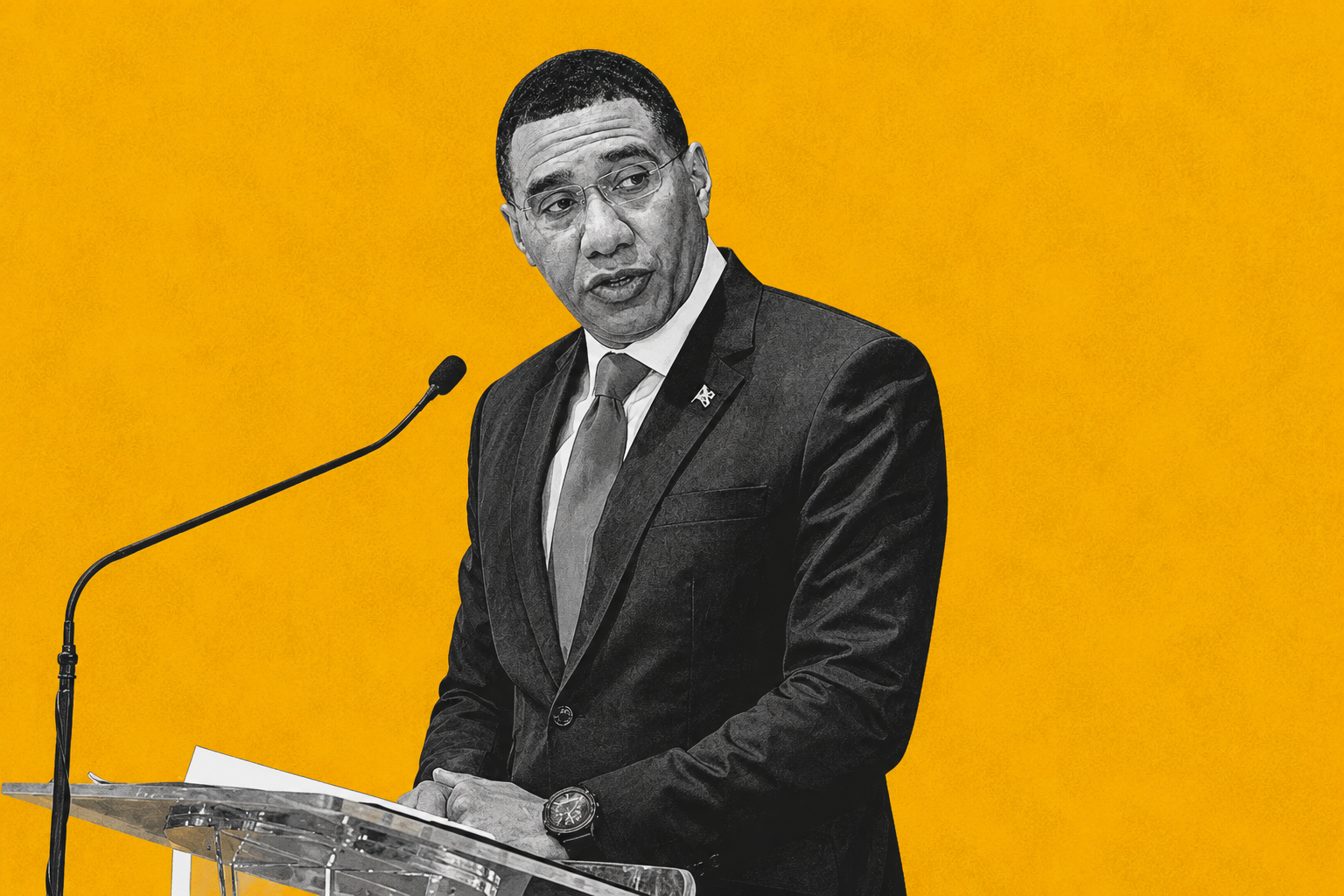
The government’s position on informal settlement is hardening. At the ground-breaking of a new housing development in Spanish Town earlier this month, the Prime Minister issued a direct challenge to private developers: build more homes at prices people can afford, or the informal market will continue to fill the gap. The message was blunt. Squatting, he argued, cannot be defeated through enforcement alone. The only sustainable answer is supply.
The Wick Hall Estate
The occasion was the ground-breaking for Wick Hall Estate on Featherbed Lane in Spanish Town, St Catherine. The development, being undertaken by Altruhomes, a member of the ARC Group, will provide 221 homes on 36 acres of land. The project is expected to include green spaces, recreational facilities and energy-efficient features, including solar-ready homes and solar water heaters. The government has committed to delivering approximately 70,000 housing solutions through the National Housing Trust and the Housing Agency of Jamaica, but the Prime Minister made clear that the private sector must do significantly more if Jamaica is to close a housing deficit estimated at 150,000 units.
The Squatting Problem
Unplanned communities, the Prime Minister argued, undermine productivity and strain public resources. When people cannot access housing through the formal market, they build informally. That process, described at the event, typically begins with land capture, then incremental construction that may take years or decades to complete. The result is communities built without adequate infrastructure, without secure land titles and without the legal standing needed to access financing or formal insurance.
The consequences for property owners in those communities are significant. Without a registered title, it is difficult to borrow against the asset, to sell it securely or to rebuild after a natural disaster. Hurricane Melissa exposed that vulnerability sharply in late 2025, when families in several communities found reconstruction complicated by unclear land ownership.
What the Market Needs
The Prime Minister called on developers to build more homes priced at around ten million dollars or below, with National Housing Trust mortgage support helping buyers access those units. That price point remains extremely challenging for private developers to hit profitably given current land costs, construction material prices and financing conditions. But the underlying logic is sound. If the formal market cannot produce housing at prices that working Jamaicans can actually afford, the informal market will continue to grow. The Wick Hall Estate, at 221 homes in St Catherine, is a contribution. Against a 150,000-unit deficit, it is also a reminder of the distance still to travel.
Follow Jamaica Homes on Youtube @jamaicahomes and Instagram @jamaica_homes and on Facebook @jamaicahomesnews Send us a message or email us at onlinefeedback@jamaica-homes.com or editor@jamaica-homes.com

1 Comment
Pingback: The PM Has a Message for Squatters. And for Developers. – Jamaica Loop News
Visit our YouTube Community ↗