


South Haven has some of the best waves in Jamaica, a footpath and nothing else. The people who use it would welcome a bathroom, but not if the bathroom arrives with a gate.
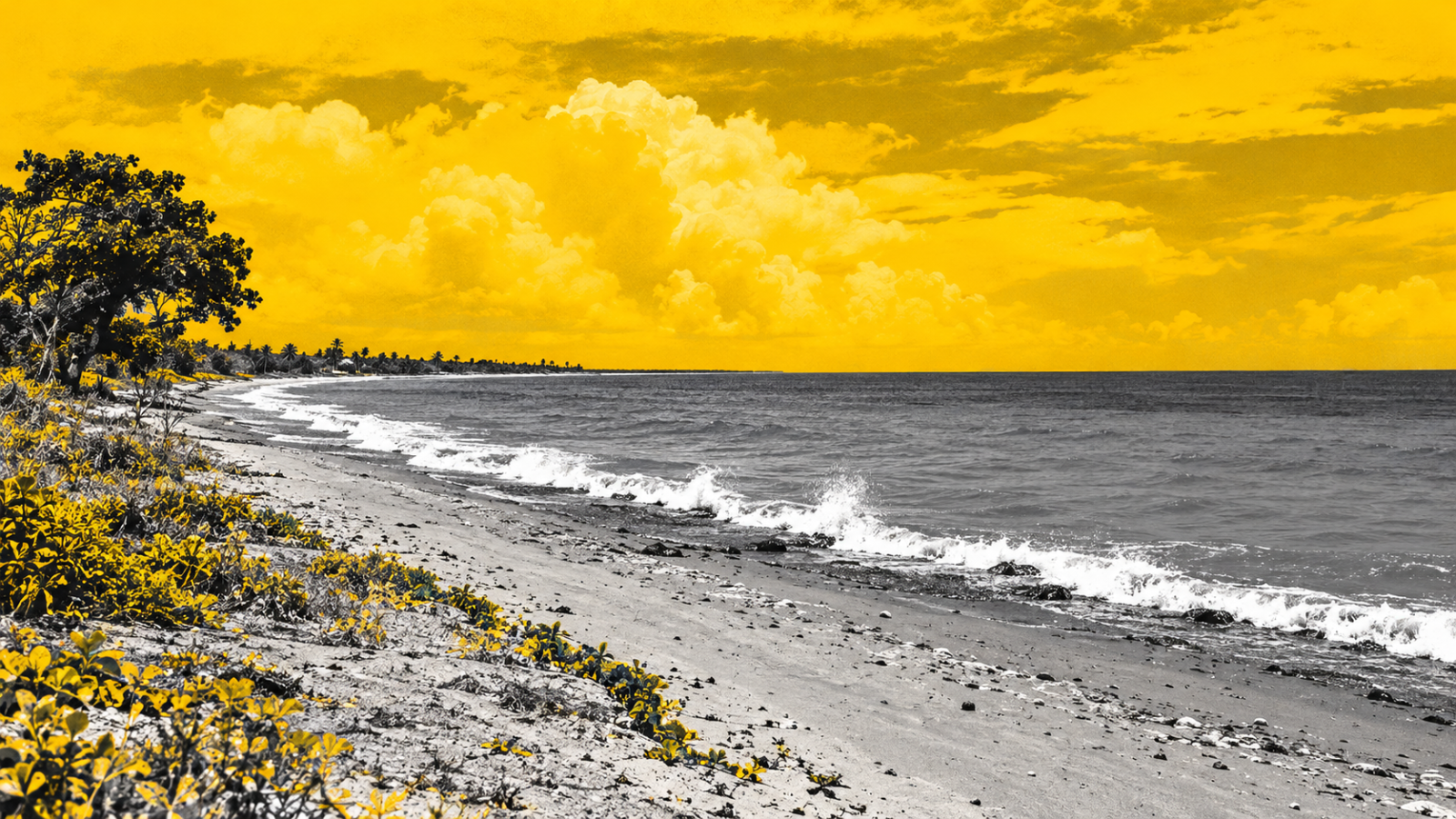
YALLAHS, Jamaica, 20 October 2026: There is no sand under the water at South Haven, only boulders, and sea urchins live among the rocks. Sargassum piles up on the shore and old tyres are scattered along one stretch of it. Few people swim. They come for the waves, which Icah Wilmot, a professional surfer who has represented Jamaica abroad, counts among the finest on the island.
The beach, known locally as Makkas, has an access point and nothing more: no toilets, no changing rooms, no food, the Gleaner reported this week. The same is true of Mezgars Run and Retreat further along the St Thomas coast, where a sign announcing that the National Environment and Planning Agency (NEPA) manages the beach stands above the litter.
Mr Wilmot would like better facilities. What worries him is what tends to follow them. In his experience, he told the newspaper, once bathrooms and changing rooms are built someone has to pay to maintain them, and the usual answer is an entry fee, which he sees as a first step towards privatisation. Access matters more to him than tidiness. His suggestion is that residents should manage their busiest beaches themselves through community development plans.
NEPA, which houses the Beach Control Authority, has announced no plans to develop or privatise any public beach in St Thomas. For now the fear is about precedent rather than a proposal.
A policy that allows beach passes
The precedent is not imaginary. Beach access is still governed by the Beach Control Act of 1956, amended in 1973, which never defined a beach or a public beach. On 19 March, during the Budget Debate, the Prime Minister tabled a new Beach Access and Management Policy that he described as a first step towards replacing that law. It sets out a licensing and management framework for 67 public beaches, clarifies terms such as the foreshore and backshore, and contains provisions that could support beach pass systems run by hotels for people who are not guests, as well as artificial beaches and exclusive licences for developments such as overwater bungalows, according to reporting by the Gleaner.
The Jamaica Beach Birthright Environmental Movement (JaBBEM) wants the policy withdrawn rather than amended, arguing that it treats access as a privilege conditional on licensing rather than a right, and that the foreshore is held by the Crown for the public. Its president, Dr Devon Taylor, told the Gleaner that the fears in St Thomas reflect what Jamaicans have actually lived through. “A bathroom is not development,” he said, adding that not every beach needs one and that tourism revenue and taxes, rather than fees, should keep public beaches free.
The State’s position is that many public beaches need money spent on them. A NEPA official told the Gleaner in September that many listed public beaches sit on government land that needs upgrading, that funding has been the constraint, and that the Government has committed to improving them over time.
What the shoreline is worth
Underneath the argument about toilets is an argument about land values. Coastal frontage is among the most valuable property in Jamaica, and hotels, villas and private housing have spread steadily along the north and west coasts. Each stretch of frontage taken leaves the remaining public beaches scarcer, busier and costlier to maintain, which is exactly when the case for fees and concessions grows loudest.
The south coast of St Thomas has felt far less of that pressure, which is partly why South Haven is still open and still bare. That may not last. Better roads along the coast east of Kingston, and buyers looking for cheaper land within reach of the capital, are the kind of forces that change how a quiet parish is valued.
For most Jamaicans, who will never own an inch of beachfront, a free public beach is the only practical claim they have on the coastline. For property owners on the coast, the final shape of the beach policy will matter as much as any planning approval, because it will define what the public may reach, cross and use in front of private land. The St Thomas surfers are not arguing against toilets. They are arguing about who gets to decide what happens once the toilets arrive.

Visit our YouTube Community ↗