


Kingston, Jamaica, 17 June 2026
The United States Federal Reserve held its benchmark interest rate steady this week, as widely expected, but the tone struck by policy makers afterward was more hawkish than markets had anticipated. Projections released alongside the decision suggested a rate increase could still be necessary later in the year if inflation does not cool, a signal that pushed bond yields and, in turn, mortgage rates higher in the days that followed. For Jamaica, where borrowing costs are shaped by both local monetary policy and the global rate environment the Fed helps set, the shift matters more than its modest size might suggest.
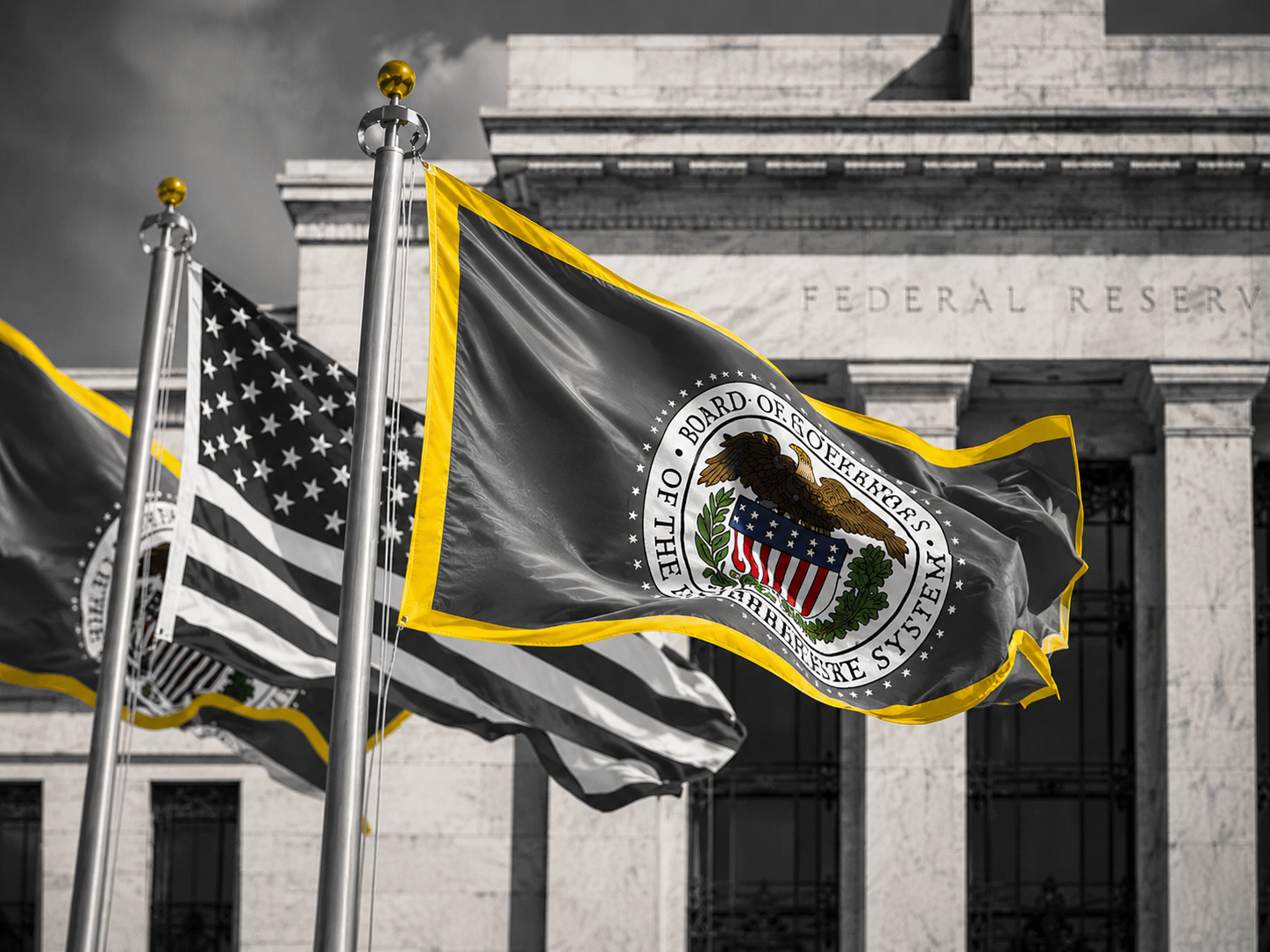
A Pause That Sounded Like a Warning
Holding rates steady is, on its face, an uneventful decision. What moved markets was the language around it. Fed officials flagged persistent inflation pressure as a reason further tightening could still be on the table, a notably more cautious posture than the gradual easing many investors had expected to continue through the year. The result was an uptick in the yields that underpin mortgage pricing, a reminder that central bank communication can move markets almost as much as the decision itself.
Why This Matters for Jamaica
Jamaica’s own monetary policy operates independently, but the country’s borrowing costs, foreign investment flows and exchange rate stability are all influenced by the direction the Federal Reserve sets. A more hawkish Fed tends to strengthen the US dollar and keep global capital more cautious, conditions that can make financing more expensive for Jamaican developers seeking foreign currency loans and can slow the pace at which international investors commit to Caribbean property and tourism related projects.
There is also a more direct channel. Many Jamaicans abroad, particularly in the United States, send remittances that support housing purchases, renovations and mortgage payments back home. A higher for longer rate environment in the US can squeeze household budgets there, with knock on effects for the flow of remittance backed property investment into the Jamaican market.
A Measured View
Dean Jones, founder of Jamaica Homes, said Jamaican buyers and developers should treat Fed commentary as a planning input, not background noise. “What the Fed signals about inflation and rates ripples through diaspora remittances and foreign investment well before it shows up in any local statistic,” he said.
Looking Ahead
With another Federal Reserve meeting scheduled for late July, markets and, by extension, Jamaican developers and diaspora buyers, will be watching closely for whether this week’s hawkish tone hardens into action or proves a temporary note of caution. Either way, the episode is a reminder that decisions made in Washington continue to shape financing conditions for Jamaican property, even when the headline outcome is simply to hold steady.
Follow Jamaica Homes on Youtube @jamaicahomes and Instagram @jamaica_homes and on Facebook @jamaicahomesnews Send us a message or email us at onlinefeedback@jamaica-homes.com or editor@jamaica-homes.com

Visit our YouTube Community ↗