


Treasure Beach, St Elizabeth, 28 April 2026
Six months after Hurricane Melissa, Treasure Beach has mounted what observers are describing as a remarkable recovery. The community’s beaches have largely returned, sand that was pushed and redistributed by the storm has come back to the shoreline, and key tourism operations including Jakes Hotel, a flagship of the south coast’s boutique hospitality offering, have been renovated and reopened. Community members credit not only the reconstruction effort but the social solidarity of a coastal community that mobilised quickly, worked collectively and drew on deep reserves of practical and emotional resilience to rebuild what the storm had taken.
The chairman of Jakes Hotel described the storm’s impact on the Treasure Beach coastline in terms that capture both its severity and the speed of natural recovery. The dunes that normally protect the community were pushed around in ways the area had never previously seen. Structural damage to buildings and the main road was real. But the beach itself, the primary asset of the community’s tourism economy, has recovered its pre-storm character more quickly than many expected, aided by the natural dynamics of the south coast’s sediment system and the absence of the kind of permanent coastal engineering that sometimes accelerates rather than prevents erosion.
Community Mobilisation as Recovery Infrastructure
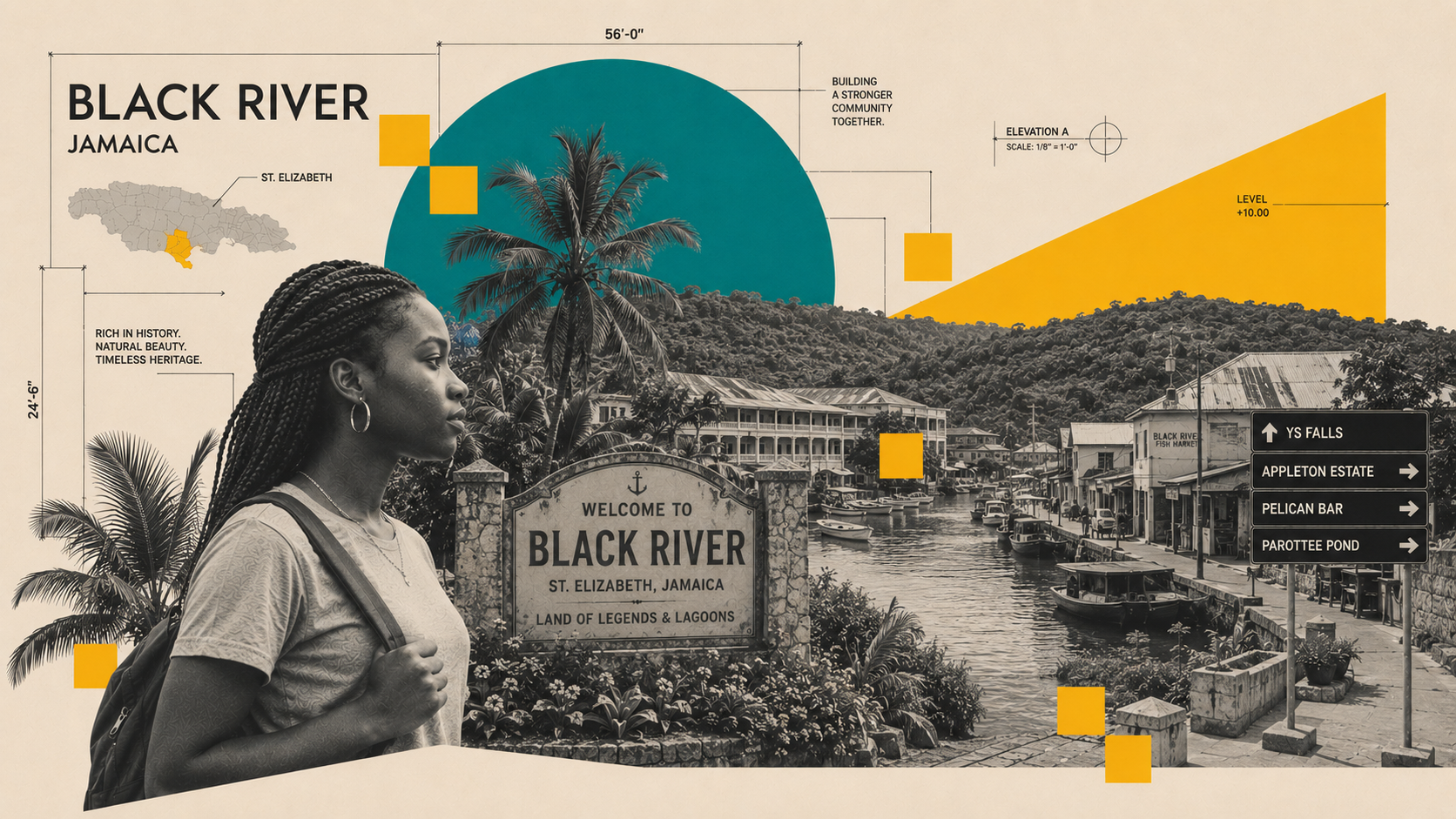
The contrast between Treasure Beach’s recovery trajectory and that of Black River is partly a function of the different scales of damage each suffered. Black River was ground zero, as government officials described it, taking the full force of Melissa’s storm surge and wind loading. Treasure Beach, while badly affected, was not demolished in the same way. But the contrast is also a function of community capacity. Treasure Beach has a long-established tradition of collective action, anchored by organisations like the Breds Foundation and by a commercial tourism sector whose operators are deeply embedded in the community and committed to its long-term viability. That social infrastructure supported a recovery effort that was both faster and more coherent than what many similarly affected communities achieved.
For Jamaica’s housing and community resilience policy, Treasure Beach’s recovery offers a lesson that complements the engineering and planning lessons of Black River’s destruction. The physical resilience of a community depends on the quality of its buildings and its coastal defences. But its recovery capacity depends on the depth of its social networks, its economic resources and the quality of its institutions. Communities with strong social capital recover faster, make better collective decisions about where and how to rebuild, and are better positioned to attract the external support that accelerates recovery. Investing in community organisations, local governance capacity and economic diversity is, from this perspective, a form of housing resilience investment.
The Property Picture on the South Coast
For investors and buyers watching the south coast of St Elizabeth six months after Melissa, Treasure Beach’s recovery is a positive signal about the medium-term outlook for the corridor. A community that has demonstrably restored its tourism product, maintained its community character and kept its hospitality sector operational through a Category 5 hurricane and its aftermath is a community whose property market has proven its resilience. Black River’s longer and more complex recovery reflects not a permanent impairment of the town’s fundamentals, but the additional scale and planning complexity of a parish capital that needs not just to rebuild but to reimagine itself. That distinction matters for those trying to read the investment signals on the south coast: Treasure Beach demonstrates that recovery is possible and is underway; Black River is a larger and more complex opportunity, whose ultimate trajectory will depend on decisions not yet fully made.
Follow Jamaica Homes on Youtube @jamaicahomes and Instagram @jamaica_homes and on Facebook @jamaicahomesnews Send us a message or email us at onlinefeedback@jamaica-homes.com or editor@jamaica-homes.com

Visit our YouTube Community ↗