


Kingston, Jamaica — 27 June 2026
The United Nations Human Settlements Programme has published its World Cities Report 2026, a comprehensive analysis of housing policy across fifty years and across dozens of countries. The findings offer a sobering global baseline against which Caribbean housing conditions can be measured. Across the world, housing costs have risen far faster than wages. Construction permits take too long. Public housing investment has retreated. And the gap between what people earn and what it costs to buy or rent a home in a well-located, well-serviced neighbourhood continues to widen. Small island developing states, including Jamaica and its Caribbean neighbours, share many of these challenges while carrying additional ones: climate vulnerability, import dependency and limited land supply make housing policy in the islands structurally more difficult than in large continental economies.
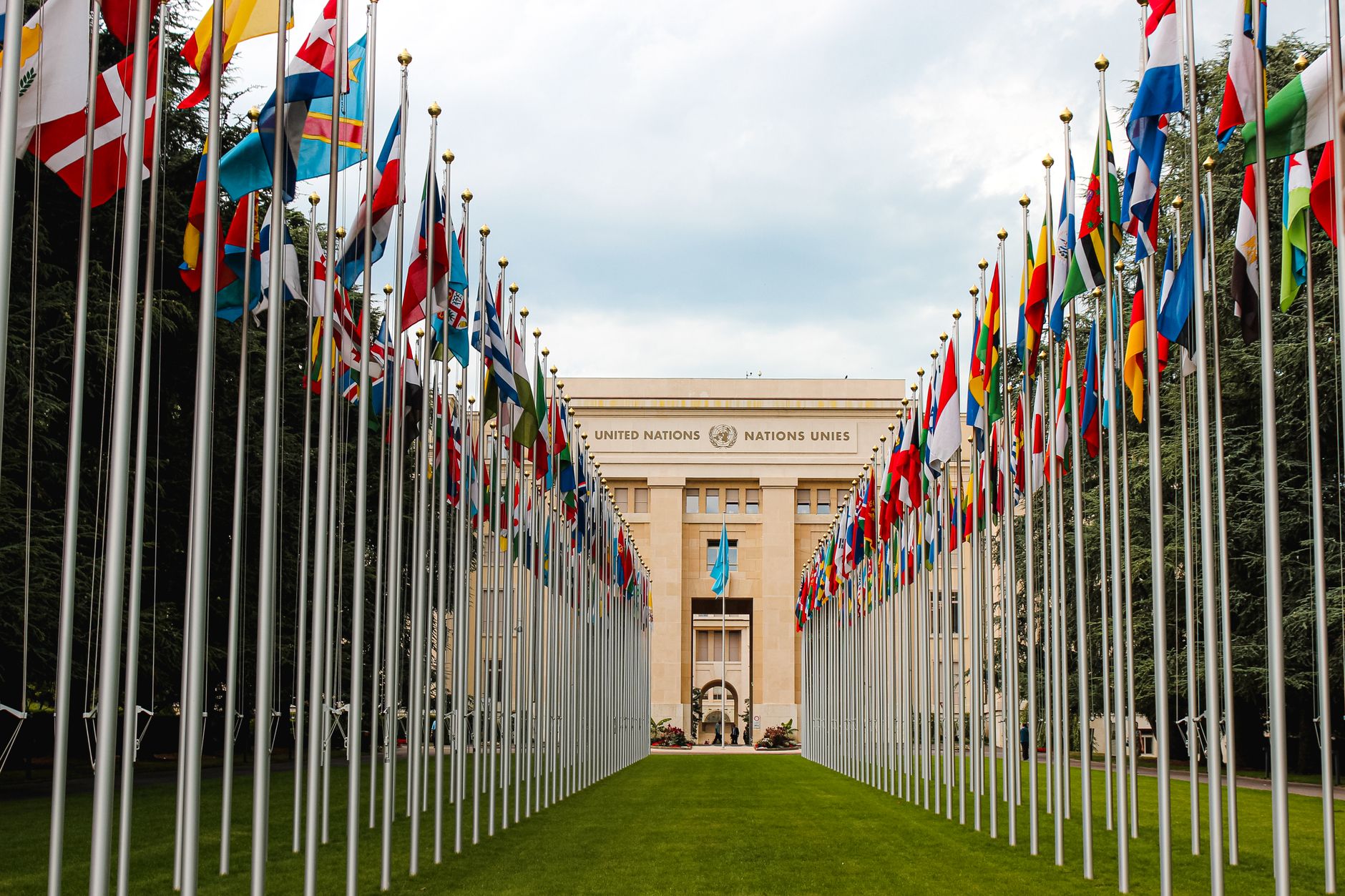
What the Global Data Shows
The UN-Habitat report defines housing as unaffordable when it consumes more than 30 per cent of household income. By that measure, unaffordability is not a fringe condition in wealthy cities. It is the dominant experience for large portions of the population in London, Toronto, Sydney, New York and many others. The Organisation for Economic Co-operation and Development applies a stricter measure, flagging households that spend more than 40 per cent of disposable income on housing costs. By either measure, millions of people in the world’s most prosperous economies are living in housing stress. The report notes that construction cost inflation has been particularly acute in major cities between 2020 and 2025, a period that coincides almost exactly with the post-pandemic disruption to global supply chains.
The Caribbean Dimension
For Caribbean islands, the global construction cost surge was felt at the same time as local hurricane damage was placing additional pressure on materials, labour and delivery timelines. In Jamaica, the aftermath of Hurricane Melissa in October 2025 created a sudden surge in demand for contractors, engineers, roofing specialists and building materials. That demand competed with ongoing private development, hotel reconstruction, infrastructure repair and the government’s own housing programmes, all drawing from the same constrained supply pool. The UN-Habitat framing of housing as a fundamental right, rather than simply a market outcome, sits directly in the territory that Jamaica’s government has been grappling with through the National Housing Trust, the Housing Agency of Jamaica and the Urban Development Corporation.
Housing as a Systems Problem
The World Cities Report argues that housing cannot be solved by any single intervention. It requires coordinated action on land, finance, planning, construction costs and tenure security simultaneously. Jamaica’s housing deficit of more than 150,000 units reflects a system that has been operating with too many of those levers either stuck or pulling in the wrong direction for too long. The global evidence, distilled across fifty years of policy experience, is that the countries that have made the most progress are those that treated housing as a national infrastructure priority rather than a residual welfare programme. That reframing is available to Jamaica. The question is whether the policy ambition can match the scale of the need.
Follow Jamaica Homes on Youtube @jamaicahomes and Instagram @jamaica_homes and on Facebook @jamaicahomesnews Send us a message or email us at onlinefeedback@jamaica-homes.com or editor@jamaica-homes.com

1 Comment
Pingback: The UN Just Published 50 Years of Housing Lessons. Jamaica Should Read It. – Jamaica Loop News
Visit our YouTube Community ↗