


Kingston, Jamaica, 27 June 2026. A pointed exchange has emerged in Jamaica’s public discourse this week over how to address the country’s long-standing urban decay and informal settlement challenges. The Prime Minister, speaking at a housing groundbreaking ceremony, described a culture of squatting as damaging to Jamaica’s development prospects. An opposition spokesman quickly replied that the cost of living, rather than the behaviour of the landless, is the root of the problem. Both perspectives contain truth. Together, they frame a debate that goes to the heart of what Jamaica’s property market is and what it could become.
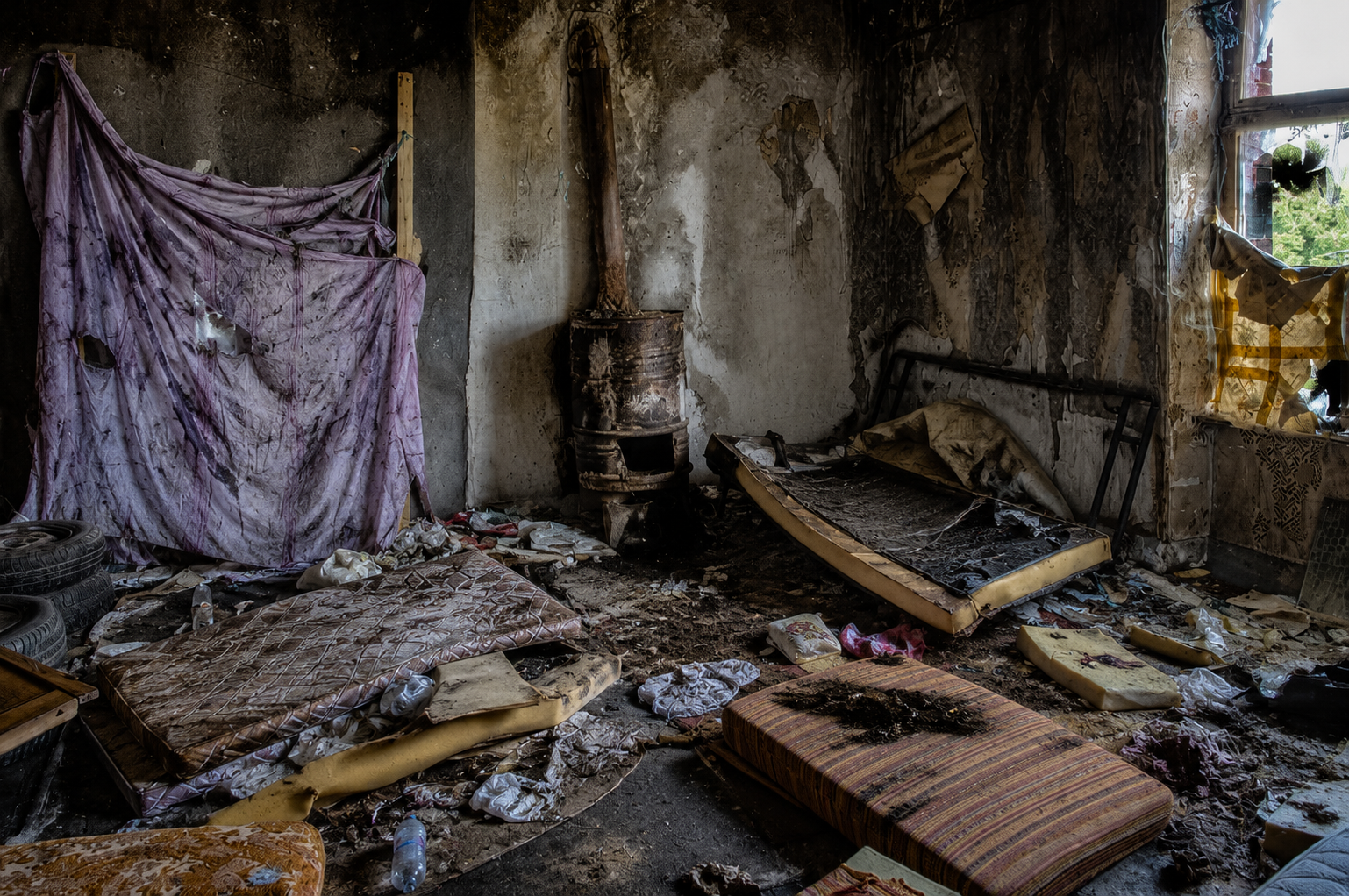
The Jamaica Gleaner’s editorial board has added its own voice, arguing that inner-city neighbourhoods close to critical infrastructure represent an opportunity as much as a problem, and that creative financing using NHT capital, private sector investment, and the equity held by existing residents could drive meaningful urban transformation. The question is not simply whether Jamaica should address its informal settlements. It is how, at what scale, and with whose money.
The Property Dimension
Jamaica’s informal settlements and squatter communities are not only a social policy challenge. They are a property market reality. Hundreds of thousands of Jamaicans live in areas where land tenure is uncertain, titling is incomplete, and structures exist in a legal grey zone. This has direct consequences for property values, insurance access, mortgage eligibility, and the ability to pass wealth to the next generation.
A home without a secure title is difficult to mortgage. It cannot serve as collateral for a business loan. It may not qualify for insurance. And when disputes arise, the occupant may have little legal recourse. The untitled property that a Jamaican family has lived in for generations has real economic value in practice but limited legal value on paper. That gap between practical and legal worth represents a profound form of economic exclusion.
Urban Renewal as a Property Opportunity
The editorial perspective raised in this week’s commentary points toward something important: many of the communities labelled as informal or decayed sit on well-located land, often close to employment, transport, and existing infrastructure. The cost of providing services to these areas may be lower than the cost of building entirely new communities on greenfield sites further from the city.
Urban renewal, done well, can lift property values across entire neighbourhoods. Titling gives residents an asset. Improved roads, drainage, and utilities make those assets more valuable. Commercial activity follows liveable communities. The challenge is execution: how to carry out renewal without displacing the people who already live there, and how to structure the financing so that the cost is shared equitably.
Countries across the Caribbean and Latin America have attempted inner-city renewal programmes with varying degrees of success. Jamaica has its own experience, some of it positive, some of it marked by displacement, unfinished projects, and political difficulty. The current debate suggests the conversation is live again, at a time when the government has both a mandate and, through the NHT, significant capital available.
What Buyers and Investors Should Watch
For those tracking the Jamaican property market, urban renewal represents one of the more speculative but potentially significant opportunities. Areas adjacent to communities targeted for renewal can see significant price appreciation if the programmes succeed. The risk is that timelines stretch, political priorities shift, and the anticipated transformation does not materialise at the pace or scale initially signalled.
The more immediate implication is structural. Jamaica cannot sustainably expand its housing supply at the rate required purely through greenfield development on the urban periphery. Land availability, infrastructure cost, and environmental constraints all push in the direction of making better use of what already exists. Urban renewal is not a marginal option. For the long-term trajectory of Jamaica’s housing market, it may prove to be one of the defining policy choices of the coming decade.
Follow Jamaica Homes on Youtube @jamaicahomes and Instagram @jamaica_homes and on Facebook @jamaicahomesnews Send us a message or email us at onlinefeedback@jamaica-homes.com or editor@jamaica-homes.com

3 Comments
Pingback: Squatting or Cost of Living? Jamaica’s Urban Renewal Debate Has Real Property Stakes – Jamaica Loop News
Informal settlement is often described as though it begins with disregard for the law, when it frequently begins with people having no realistic route into formal housing. Enforcement is necessary, particularly where safety and infrastructure are affected, but it must be matched by serviced land, clearer titles and homes ordinary workers can afford. Removing structures without addressing the underlying shortage simply moves the problem elsewhere.
That balance is crucial. Formalisation should not simply mean giving people a deadline and then removing them; it should create a practical route from insecure occupation to lawful, serviced and affordable housing. Where communities can be regularised safely, residents may be able to contribute toward infrastructure and build legitimate equity instead of living permanently under threat. The harder question is whether Jamaica is prepared to invest in bringing people into the formal system before valuable urban land makes displacement the easier political choice.
Visit our YouTube Community ↗