


Kingston, Jamaica, 28 June 2026
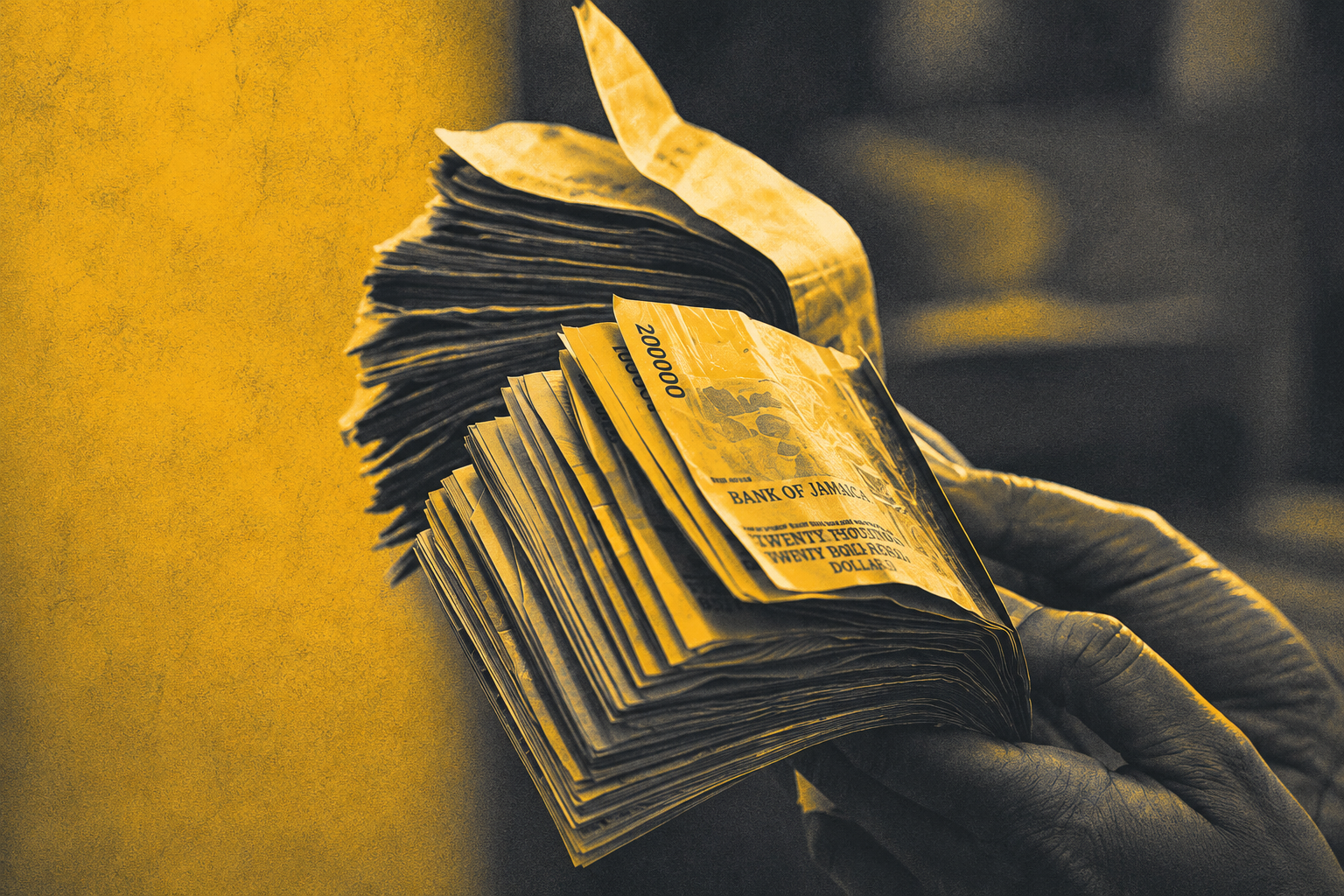
A new federal tax on international money transfers is now in effect in the United States, and while its immediate impact has been modest, the structural implications for Caribbean families, and for Jamaican households in particular, are worth understanding clearly. For the Jamaican diaspora in America, remittances are not peripheral financial activity: they are a primary channel through which property investments are funded, family homes are built, and the island’s housing economy is sustained.
What the Tax Does and Does Not Do
Under the One Big Beautiful Bill Act, signed into law on July 4, 2025, and effective from January 1, 2026, a 1 percent federal excise tax applies to international money transfers funded by physical cash, money orders, or cashier’s cheques. The tax does not apply to transfers funded by bank account debit, credit card, or digital wallet. A sender transferring $1,000 in cash at a Western Union counter pays an additional $10. The same sender using the Western Union app or a bank transfer pays nothing extra.
According to the Inter-American Development Bank, remittances to Jamaica grew 4.1 percent in the first quarter of 2026. The IDB notes that so far there has been no sign of a significant impact from the new tax, which is consistent with the expectation that many Jamaican-American senders already use digital channels and would therefore be unaffected. The tax was initially proposed at 5 percent, reduced to 3.5 percent during Congressional debate, and ultimately signed into law at 1 percent, a rate low enough that behavioural change has not been triggered at scale.
The Long-Term Picture
The risk is not the immediate 1 percent. It is precedent. A tax introduced at 1 percent can be raised. The regulatory framework, once built, is available for future adjustment. Several Caribbean advocacy organisations raised concerns during the legislative process about the cumulative pressure on lower-income diaspora senders who rely on cash-based transfer services, often because they lack traditional bank accounts. For that cohort, the 1 percent is a real cost, even if it is not large in isolation.
What This Means for Property Investment in Jamaica
Remittances to Jamaica are estimated by the IDB and the World Bank to be a significant source of private capital flows to the island, supporting household consumption, education, healthcare, and crucially, property. Many Jamaican homes built or purchased by diaspora families are funded through accumulated remittance savings channelled into deposits, construction costs, or land acquisition. Any sustained pressure on remittance volumes or transfer costs reduces the pool of capital available for that investment. For Jamaica’s property market, particularly in parishes with high diaspora ownership like St. James, St. Ann, and St. Andrew, this is not an abstract concern. It is a direct financial variable. The 1 percent tax, as currently structured, is not that variable. But the environment it represents, one in which the US government views remittance flows with increasing fiscal interest, is one Jamaica’s housing sector should be monitoring carefully.

2 Comments
Pingback: The US Remittance Tax Is Live. Here Is What Jamaican Families Need to Know – Jamaica Loop News
Even a modest charge matters when remittances are paying for food, school expenses, repairs and mortgages. Families should compare transfer methods carefully, but the larger responsibility sits with policymakers and financial providers to keep legitimate transfers affordable and transparent. Remittances are not spare cash moving across borders; for many Jamaican households they are part of the monthly budget.
Visit our YouTube Community ↗