


- Edenton Street United Methodist is exploring housing on its Dawson Street lot, zoned up to 20 storeys
- It is discussing a partnership with St Paul AME, Raleigh’s oldest Black congregation
- St Michael’s Episcopal gave $300,000 for affordable homes in the Idlewild neighbourhood
- Raleigh scrapped mandatory minimum parking requirements in 2022
Churches in North Carolina’s capital are looking at their parking lots as a way to ease the housing shortage and address the racial wealth gap, WUNC reported in September 2026.
Edenton Street United Methodist Church in downtown Raleigh won church council approval in February to explore housing on its Dawson Street parking lot, which is zoned for up to 20 storeys, and is exploring a partnership with St Paul African Methodist Episcopal Church, the city’s oldest Black congregation. St Michael’s Episcopal Church on Canterbury Road gave $300,000 in November 2024 to a land trust partner, RALT, to build affordable homes in the historically Black Idlewild neighbourhood. Raleigh eliminated mandatory minimum parking requirements in 2022, making such projects easier.
The Rev Steven Lyons of St Paul AME said: “The economic development has not really been conducive to successful living for the African American community.” He added: “I think we have a golden opportunity to do what the scripture says and what our creator has mandated that we do.”
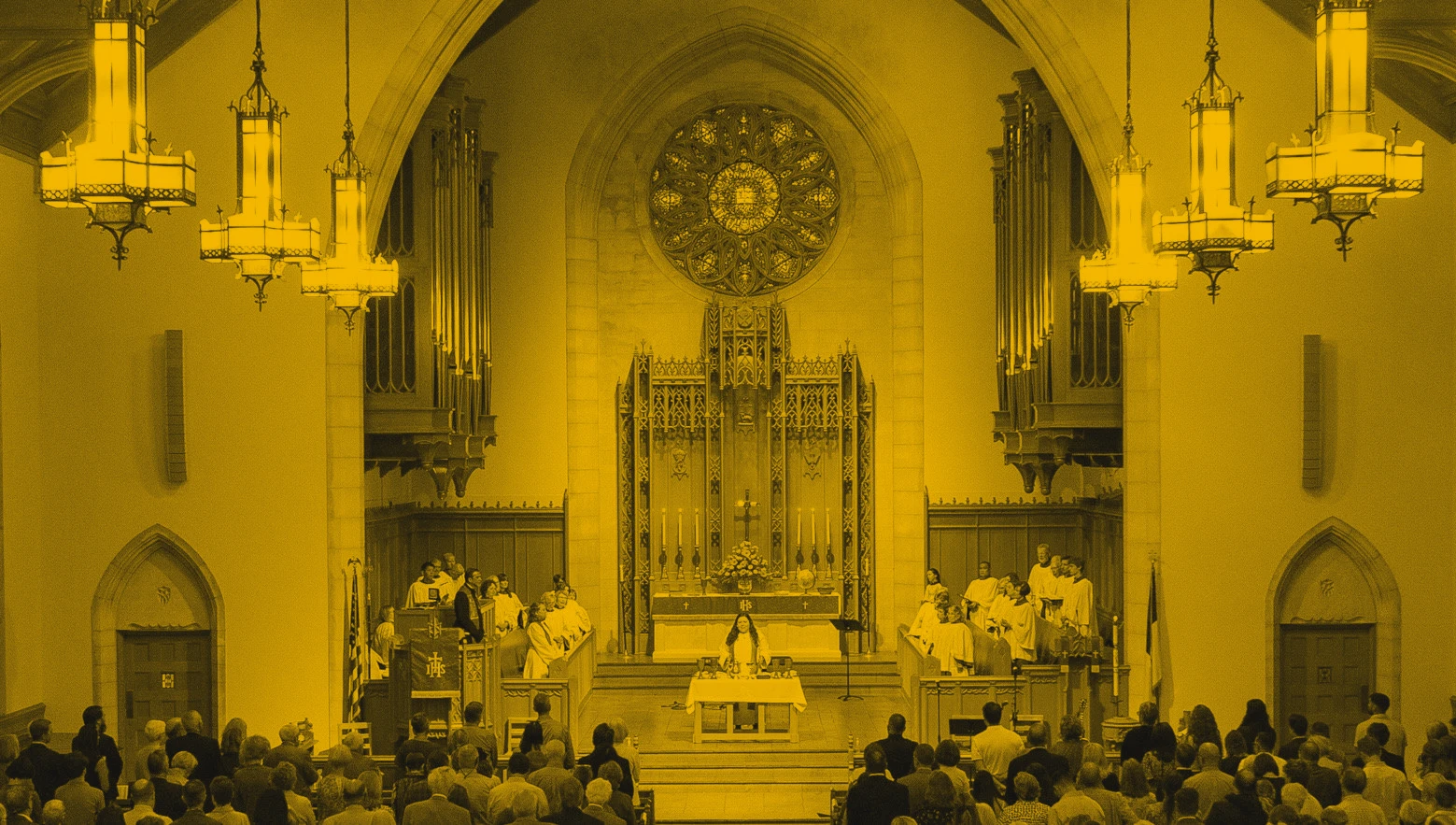
The Rev Greg Jones of St Michael’s said the Episcopal Church “has been refocusing in on racial history, reckoning, reconciliation, reparation work,” while member Ruth Thurmond Scott said: “Unless you have stable housing, then a lot of that falls apart.” Habitat for Humanity’s Rick Beech said his organisation was in active talks with seven congregations.
The Raleigh projects show how planning reforms can unlock church land. Once parking minimums were scrapped, lots once kept for Sunday cars became potential building sites, and partnerships between congregations, including a historically Black one, can bring land and community knowledge together.
In Jamaica, some church compounds include parking areas and open lots used mainly on weekends. Congregations could consider whether part of that land might serve housing, schools or community uses, working with the NHT, housing trusts or experienced builders, while checking planning rules and keeping enough space for the church’s own needs.
Follow Jamaica Homes on Youtube @jamaicahomes and Instagram @jamaica_homes and on Facebook @jamaicahomesnews Send us a message or email us at onlinefeedback@jamaica-homes.com or editor@jamaica-homes.com

Visit our YouTube Community ↗