


Longwood, located in Saint Elizabeth, has a rich history that ties into the broader development of the parish and Jamaica’s agricultural and colonial past. Saint Elizabeth was historically known for its sugar plantations, and Longwood, like many other rural communities in the area, was influenced by this industry. In the 18th and 19th centuries, sugar production was a major economic driver, with vast estates and plantations dotting the landscape. The legacy of this era can still be seen in some of the historic buildings and remnants of old plantation structures scattered throughout the region.
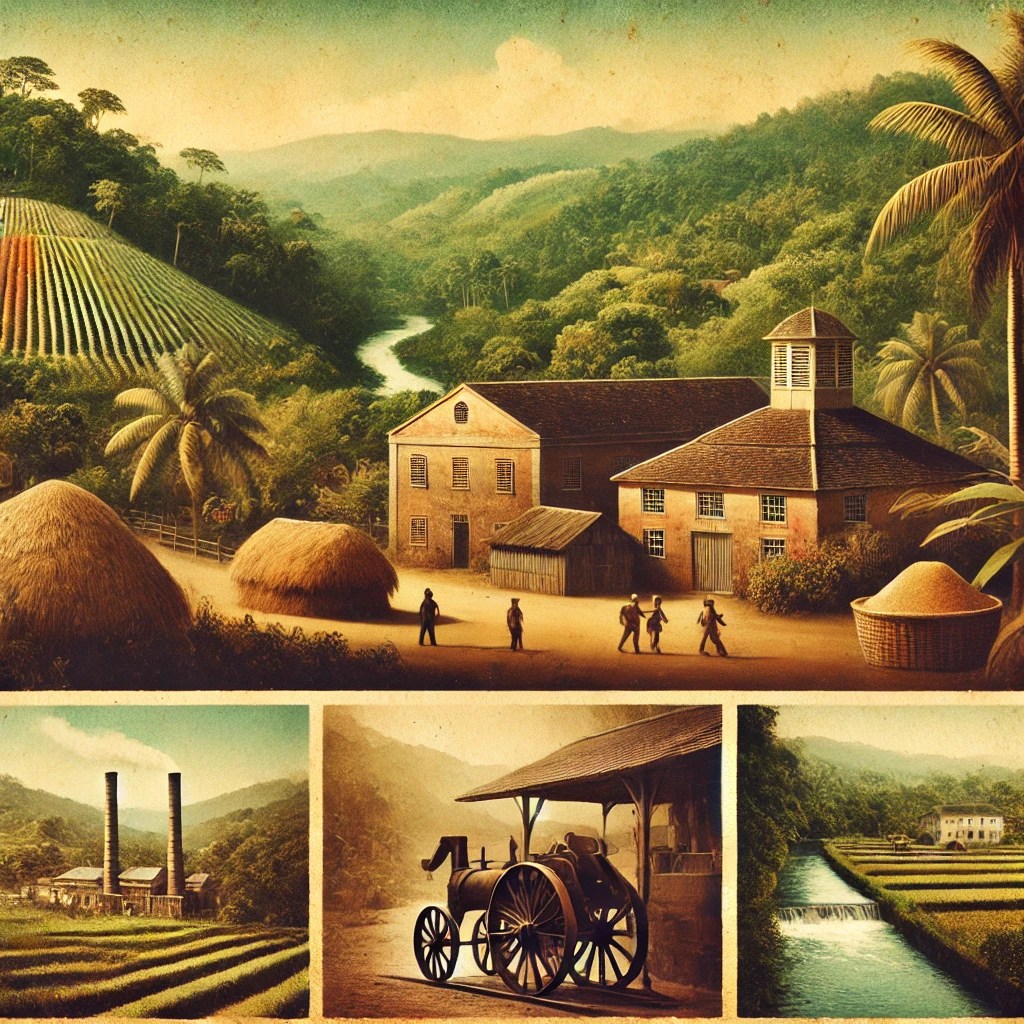
During Jamaica’s colonial period, Longwood was part of a larger network of communities that contributed to the island’s agricultural economy, especially in the production of sugar, coffee, and bananas. The abolition of slavery in 1834 led to significant changes in the social and economic structure of the region. Former enslaved people who worked on the plantations transitioned to become independent farmers and landowners, shaping Longwood’s modern-day agricultural landscape. Many families in the area still farm the same land that was worked by their ancestors, maintaining a strong connection to the past.
The history of Longwood is also intertwined with the broader socio-economic changes in Jamaica, including the shift from plantation-based agriculture to a more diversified farming economy. Over time, as the region moved away from its reliance on sugar, the community embraced other forms of agriculture, with the fertile soil and climate supporting a variety of crops. This transition marked a shift in the community’s identity, as it became less focused on the sugar trade and more centered on sustainable, diverse farming practices that continue to shape the area today.
Follow Jamaica Homes on Youtube @jamaicahomes and Instagram @jamaica_homes and on Facebook @jamaicahomesnews Send us a message or email us at onlinefeedback@jamaica-homes.com or editor@jamaica-homes.com

Visit our YouTube Community ↗