


Kingston, Jamaica — 1 April 2021
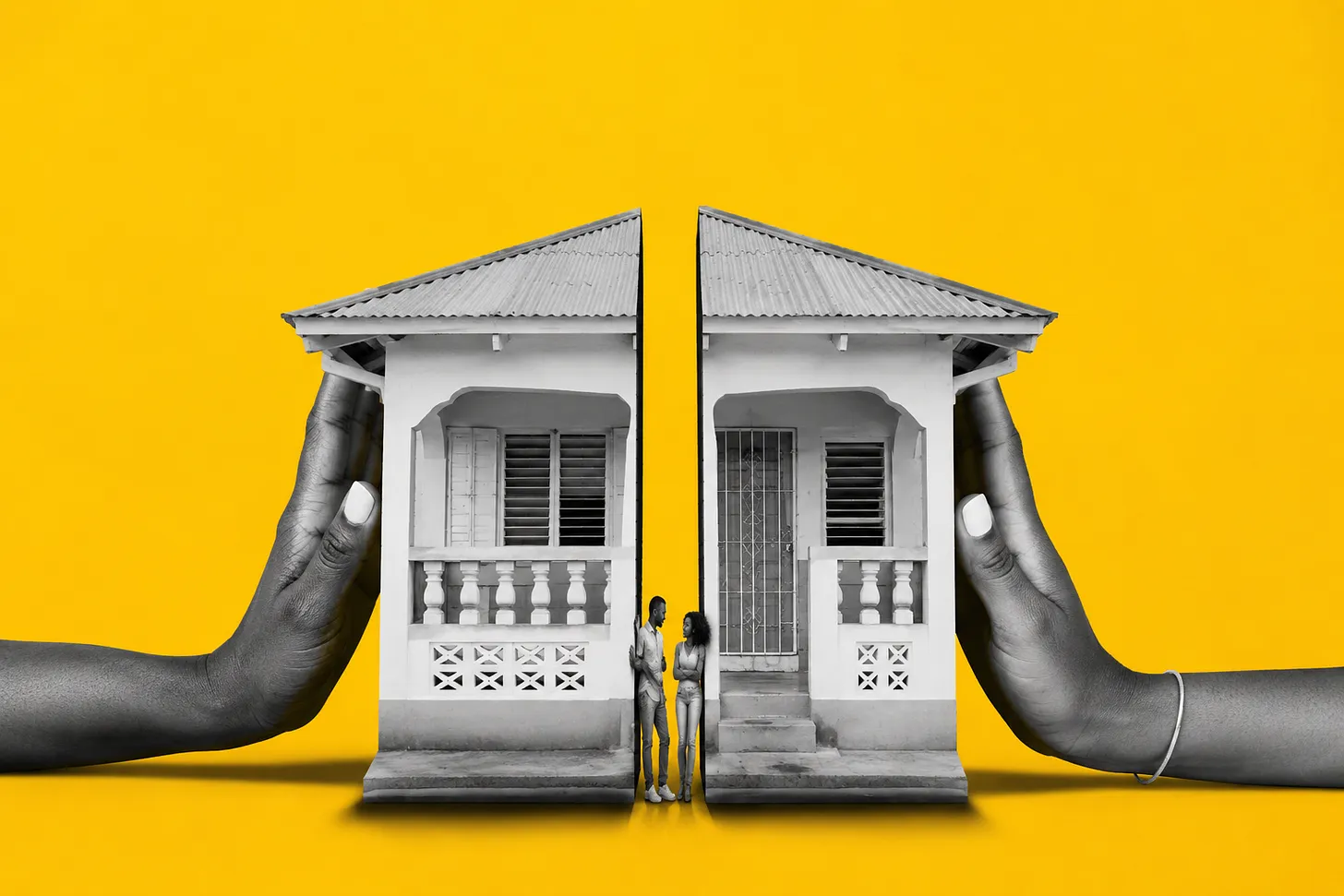
Mortgage rates in Jamaica have declined to their most competitive levels in the country’s recorded financial history. The Bank of Jamaica’s pandemic-era policy rate of half a per cent, introduced in late 2020, has fed through into commercial lending with some institutions now advertising rates below seven per cent for qualifying borrowers. The NHT continues to offer rates as low as one per cent for the lowest income contributors. The trajectory of the previous decade, from rates above twelve per cent at building societies in 2010 to those available in 2021, represents one of the most significant improvements in the cost of homeownership that Jamaica has experienced, and its effects on the property market have been real and measurable.
The Historical Perspective
The journey of Jamaica’s mortgage rates over the past three decades has been one of remarkable, if uneven, improvement. In June 1994, the weighted average of mortgage rates at commercial banks was thirty-six per cent. By June 2006, that average had fallen to twenty-five per cent, still a level that would make most property purchases financially ruinous for anyone without substantial existing capital. The building societies, which operated at significantly lower rates than the commercial banks and were the dominant mortgage providers for much of this period, offered meaningfully better terms, but even their products were expensive by any contemporary international comparison.
The structural drivers of that long decline include the Bank of Jamaica’s evolving monetary policy framework, the gradual restoration of macroeconomic stability following the financial sector crisis of the 1990s, the fiscal consolidation achieved through successive IMF programmes, and increasing competition in the lending market as building societies converted to banks and new entrants expanded their mortgage offerings. The conversion of Jamaica National Building Society to JN Bank in 2017 was a particularly significant milestone, bringing one of Jamaica’s most historically competitive mortgage lenders into the commercial bank framework and deepening the competitive dynamics of the market.
What This Has Done for Buyers
The practical consequence of falling mortgage rates is a significant expansion in the number of Jamaicans who can afford to purchase a home at any given property price. A loan of fifteen million dollars at thirty-six per cent would have required a monthly repayment that was simply beyond the reach of virtually any salaried employee. The same loan at seven per cent is serviceable for a dual-income household at middle-income salary levels. That transformation in affordability, achieved over three decades of monetary evolution, is the primary explanation for why the post-pandemic Jamaican property market has seen the youngest, broadest pool of first-time buyers in living memory.
The Question Going Forward
Rates at their current levels are the product of exceptional circumstances. The BOJ’s policy rate will not remain at half a per cent indefinitely. As inflation resumes, as the economy recovers, and as global monetary conditions normalise, Jamaica’s mortgage rates will rise from their current lows. The market has been shaped by the assumption that this decade of falling rates would continue. The next phase will test whether a generation of buyers who entered homeownership during historically favourable conditions are sufficiently financially resilient to remain in ownership when conditions become less accommodating.
Follow Jamaica Homes on Youtube @jamaicahomes and Instagram @jamaica_homes and on Facebook @jamaicahomesnews Send us a message or email us at onlinefeedback@jamaica-homes.com or editor@jamaica-homes.com

Visit our YouTube Community ↗