


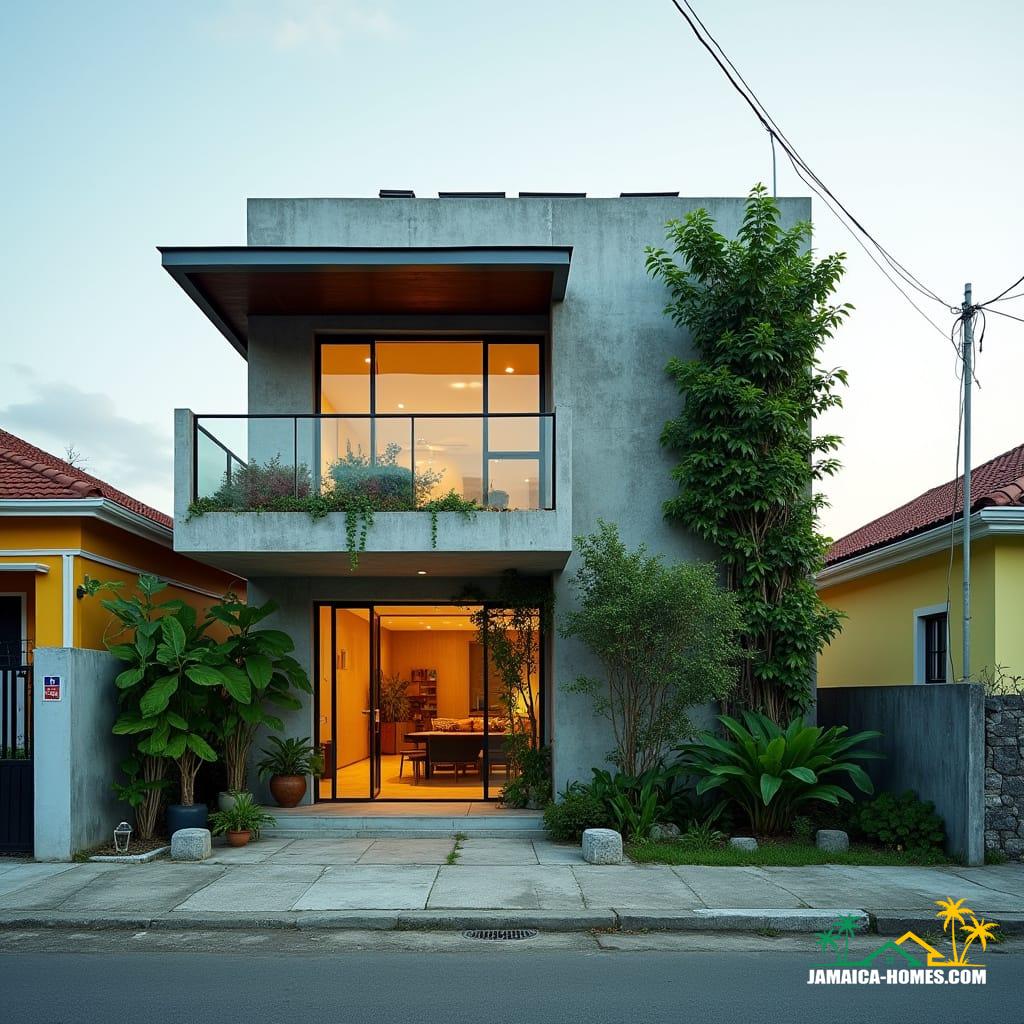
A property may look valuable, yet become effectively trapped by title defects, inheritance disputes, unauthorised construction, strata debt or a price no lender will support
A house can have sea views, concrete walls, several bedrooms and an asking price that suggests prosperity. Yet when a buyer arrives, the lawyer checks the title and the bank orders its reports, the apparent asset can become something quite different: a home that cannot readily be sold.
Britain is confronting its own crisis of trapped homeowners, including flat owners affected by unsafe cladding, escalating leasehold costs and buildings that mortgage lenders will not accept. Jamaica’s version is less visible and considerably more fragmented. There is no single national scandal, no definitive register of affected properties and no reliable count of owners who cannot move.
But the paralysis is real.
In Jamaica, a property may become commercially unsellable because the ownership is unclear, the registered proprietor has died, several relatives claim an interest, access is disputed, the building extends beyond its surveyed boundary, approvals cannot be produced, strata contributions are outstanding or the asking price sits far above the lender’s valuation.
The owner may still possess the building. They may live in it, rent it, repair it and pay property tax on it. What they cannot necessarily do is convert it into money.
Ownership without a clean exit
The first problem is often title.
The National Land Agency states that a registered title provides an official record of ownership and a secure basis for dealing with property. Land without one is not automatically worthless, but it can be much more difficult to sell, mortgage or transfer. Establishing ownership may require surveys, statutory declarations, proof of possession and a formal application to bring the land under the Registration of Titles Act.
That becomes especially complicated where boundaries have been understood informally for generations. A fence may not follow the legal survey line. A driveway may cross another person’s land without a registered easement. A house may have been built partly on family land that was never formally subdivided.
These are not always signs of dishonesty. They are often the accumulated result of informal agreements, migration, inheritance and development that happened faster than the paperwork. Unfortunately, a mortgage lender cannot finance a family understanding.
A buyer’s attorney must be satisfied that the seller has the legal authority to transfer the property. The lender must also be satisfied that its mortgage will be secured against an identifiable and marketable asset. If either side is uncomfortable, the transaction can stop regardless of how attractive the house appears.
“You do not discover whether a property is truly marketable when the photographs are taken,” Dean Jones, founder of Jamaica Homes, said. “You discover it when the title, survey, valuation and legal ownership are tested by a real buyer.”
The deceased owner still on the title
Inheritance creates another category of trapped property.
Many Jamaican families occupy homes that remain registered in the name of a parent or grandparent who died years earlier. Relatives may agree informally about who should live there, but occupation does not automatically update the registered ownership.
Where a sole proprietor or tenant in common dies, the National Land Agency explains that an executor or administrator normally needs probate or letters of administration before applying to be registered on transmission. Until someone has the legal authority to administer the estate, the family may be unable to deliver the property to a purchaser.
One death can be manageable. Several generations of unadministered estates can produce a chain of missing documents, deceased beneficiaries and relatives living overseas. By the time the family decides to sell, the person who could once have clarified the arrangement may also have died.
The property then becomes valuable in theory but immobile in practice. It may be advertised repeatedly, attract genuine interest and even receive an offer, only for the transaction to stall because no one can provide a transferable title.
When the building and the paperwork disagree
A registered title does not solve every problem.
Mortgage lenders ordinarily require a valuation and a surveyor’s identification report. These reports can expose encroachments, boundary discrepancies, incomplete construction, structural concerns or significant differences between the property being sold and the land legally described.
Building additions are frequently treated as household improvements rather than future conveyancing issues. A veranda is enclosed. Another floor is added. A boundary wall is shifted. A separate unit is created at the back of the property. Years later, a buyer’s lender asks for approved plans or raises questions about the physical development.
A cash purchaser may be prepared to accept more risk, usually at a considerable discount. But once mortgage buyers are excluded, the market becomes smaller. The property is not legally impossible to sell, yet it may be functionally unsellable at the price the owner expects.
This distinction matters. Sellers sometimes interpret a low valuation or rejected mortgage application as evidence that the bank does not understand the property. In fact, the lender is deciding how much of the purchase price can safely be secured against it.
A J$45 million asking price does not make a property worth J$45 million to a lender. If the professional valuation comes in materially lower, the buyer must find the difference in cash, renegotiate the price or withdraw.
Strata ownership can become a financial cage
Apartments and town houses introduce another layer of risk.
Jamaica’s Commission of Strata Corporations says a strata corporation may seek a power of sale where contributions, including maintenance, insurance or assessments, remain unpaid for more than 30 days. The amount outstanding is not the only concern. Persistent arrears across a development can affect maintenance, insurance, common areas and confidence in the entire scheme.
A well maintained unit inside a poorly administered complex can therefore become difficult to sell. Buyers increasingly want to know whether the strata corporation is registered and functioning, whether insurance is current, whether accounts are available and whether major repairs are approaching.
The private interior may be immaculate, but purchasers are also acquiring an interest in the roof, roads, walls, drainage, security systems and financial health of the shared development. Fresh paint inside the apartment cannot repair a failing corporation outside it.
Storm damage and insurance uncertainty
Climate exposure can create a further trap.
Following a major storm, physical repairs may conceal unresolved questions about roofs, retaining walls, drainage and the cost or availability of insurance. A house can appear habitable while still presenting risks that affect valuation or lending.
This is particularly difficult for older owners hoping to sell and downsize. They may have most of their wealth tied up in one property but lack the income to complete substantial remedial work. The sale is needed to fund the repairs, while the repairs are needed to achieve the sale.
That is the Jamaican version of being property rich and cash poor, except the property itself cannot easily be converted into cash.
Price can imprison an owner too
Not every trapped seller is facing a legal defect. Some are trapped by expectation.
Owners may calculate value from construction costs, emotional attachment, a neighbouring asking price or the amount they need for their next move. Buyers and valuers look at the evidence of the market, the condition of the property, location, access, comparable transactions and future expenditure.
A home can therefore remain listed for years without being genuinely available to the market. Reducing the price may feel like surrender, particularly where a family has invested decades of labour and savings. But a property that nobody can finance at its advertised price is not providing the security its paper value suggests.
“An ambitious asking price may feel protective, but it can quietly imprison the owner,” Jones said. “The market does not release equity because someone needs it. The legal documents, condition and price must all survive scrutiny.”
Jamaica needs to understand marketability earlier
The lesson is not that Jamaican homes are worthless. It is that ownership, occupation, value and marketability are four different things.
Families should examine title, estate administration, surveys, access, approvals, property taxes and strata obligations long before a sale becomes urgent. These issues are easier to address while documents can still be found, relatives are available and the owner has time to make decisions.
Jamaica does not yet have evidence of a nationwide unsellable homes crisis comparable with Britain’s. What it has is a quieter collection of individual crises, dispersed across family land, unfinished estates, ageing houses, strata developments and inherited properties.
Each case can look private and exceptional. Taken together, they reveal a national weakness: too much household wealth is held in property that has never been fully prepared for transfer.
A home should provide shelter while its owner needs it. It should also provide a way forward when circumstances change. When it cannot be sold, mortgaged or passed cleanly to the next generation, ownership begins to resemble confinement.

Visit our YouTube Community ↗